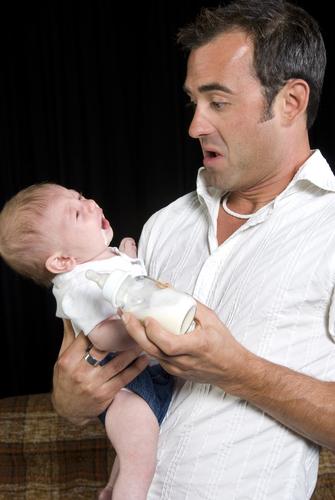
Becoming a parent is commonly imagined to be a joyful and “natural” life event. The reality is often very different. In the early weeks and months of life with a first baby, parents must master new skills including nappy changing, breast or bottle feeding, and “settling” a crying baby, usually while experiencing considerable sleep deprivation.
New mothers have to recover from labour, childbirth and/or caesarean delivery. Primary carer parents find they need to re-orient their lives around their baby, at least in the short term. And partnered parents confront a changed dynamic in their relationship and the need to accommodate a third family member.
For many people, these challenges are unexpected, either in nature or magnitude.
Australians today are having fewer children than past generations and are often starting their families later. This reduces the opportunity to learn informally about infant care through raising younger relatives or being around friends with babies.
New parents are also burdened by the way our society romanticises early parenthood, especially motherhood. Played out in media imagery, this contributes to perceptions of instant bonding, instinctive breastfeeding and “perfect babies” being cared for by “perfect mothers”.
Overly optimistic expectations and a lack of preparation can cause significant distress at a time when new parents already feel vulnerable. For some parents, this may impede bonding with their baby, shade over into postnatal depression – which affects up to 16% of new mothers and 5% of new fathers – or strain the relationship with their partner.
Expectations and Experiences
We recently interviewed 45 parents in Australia about their expectations and experiences of early parenthood. The parents came from varied socioeconomic and cultural backgrounds. They included single parents, adoptive parents, parents through surrogacy, same-sex attracted parents, parents in blended or step families and parents who had experienced IVF.