People are often surprised to discover that Dr. Katie Rodan—a dermatologist—is an avid sun seeker.
“My little secret is I love the sun!” Rodan told The Epoch Times.
The former chief resident of dermatology at Stanford University School of Medicine swears by sunscreen but loves the sun because it boosts her mood and helps her sleep better.
“The sun increases feel-good chemicals, like serotonin and dopamine, and helps regulate the body’s internal clock, known as the circadian rhythm,” she said.
Nature’s Antidepressant


A powerful star and Earth’s largest source of energy, the sun is not our enemy. Sunlight has been called a “natural antidepressant” because it influences neurotransmitters, via the brain and eyes, to elevate mood.
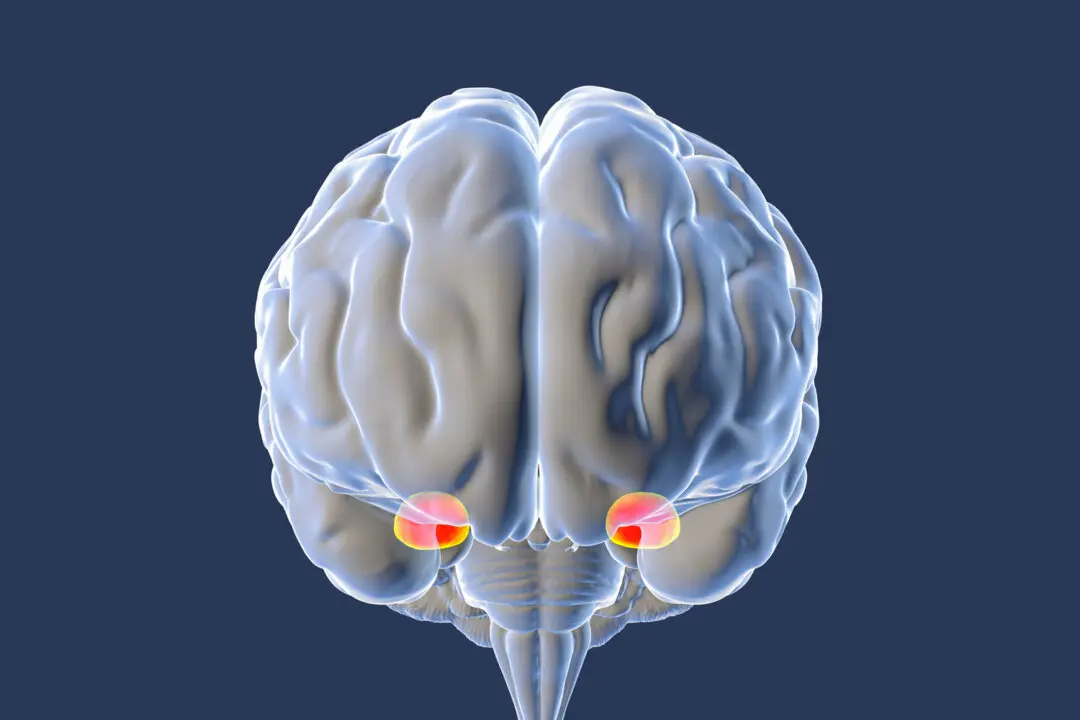
Sunlight boosts your brain’s serotonin levels by cueing cells in the retina, a thin, light-sensitive layer of tissue at the back of the eye. It also helps regulate body temperature. When we don’t get enough of it, the body has to work harder to compensate, which can come at the cost of mood-stabilizing brain chemicals.
There has been a noticeable shift in public health messaging about the sun, according to Phillip Lowe, a clinical psychologist at Kaiser Permanente.
“There is new evidence that natural daylight is preferred over artificial light therapy,” he told The Epoch Times.
Natural light is believed to be superior to artificial light because it provides a more accurate and balanced color spectrum and naturally regulates the circadian rhythm.
Vaibhav Diwadkar, a professor of psychiatry and behavioral neurosciences at Wayne State University in Michigan, takes it a step further: He advocates for combining sunlight with movement rather than passive sunbathing.
“The best thing for our mental/physical well-being is a combination of getting sun and movement. That’s a win-win,” said Diwadkar, who makes a daily dog walk part of his routine year-round. “The key is to make it a habit.”
Vitamin D and Sleep
Modern screen-heavy, sedentary lifestyles work against our bodies’ biological need to be outdoors.
“Humans are not meant to spend the majority of their day inside under artificial lights,” Lowe said.
Dr. A. Gerson Schreiber, a longtime psychiatrist and former medical director and chair of psychiatry for Kaiser Permanente, has watched this understanding evolve over his career.
“When I started practicing, there wasn’t any information about low vitamin D levels being a contributing factor for depressive disorders,” he told The Epoch Times. “Now, treatment for depression includes testing vitamin D levels.”
The body naturally makes vitamin D when the skin is directly exposed to the sun. Most people get at least some of it this way. Vitamin D is created when UVB rays from sunlight convert cholesterol into an inactive form, which travels to the liver and kidneys, where it is further converted into vitamin D.
Sunlight does double duty for sleep, too.
Schreiber recommends 30 minutes of exposure daily, ideally in the morning: It signals the brain to stop producing melatonin and triggers a rise in cortisol, anchoring the sleep-wake cycle. That natural timer supports the deep, restorative sleep essential to mental health.
Early morning sun exposure will also start an internal timer that prompts your body to release the suppressed melatonin roughly 10 to 14 hours later. That’s why many sleep experts agree that natural sunlight is one of the most effective tools for regulating your sleep.
The Drawback of Daylight Saving Time
The importance of light to mental well-being is especially apparent when our normal exposure patterns are disrupted.
In fact, mental health experts believe that daylight saving time clock changes can exacerbate conditions such as depression, anxiety, and mood disorders.
This is especially true for people with seasonal affective disorder, a type of depression triggered by changing seasons. Symptoms typically start in the late fall or winter and resolve in the spring.
Even for those without mental health issues, changes in time disrupt circadian rhythms—especially when clocks are set back an hour, which causes the sun to set earlier. The loss of afternoon sunlight leaves people with less time to spend outdoors, making them more likely to be sedentary.
How to Sun Safely
Even brief exposure to nature has clear protective effects.
Experts such as Lowe recommend spending 10 to 30 minutes outdoors in natural sunlight most days of the week to support mental health and regulate our internal clocks, with morning sun—within the first hour of waking—being optimal.
However, it’s still important to stay protected for skin health, Rodan said.
“You can safely love the sun, and not look weather-beaten,” she said. “You can have it all—if you wear sunscreen, cloudy or not.”
Since overexposure to the sun can increase the risk of skin aging and skin cancer, she recommends applying sunscreen, especially to the face. Just 25 percent of your body exposed to the sun can provide the health benefits, she said.
She recommends using SPF 50, mineral-based, broad-spectrum sunscreen and wearing hats or visors.
A Little Ray of Sunshine
Sometimes the best things in life really are free, including mental health benefits simply from spending time in the sun. Or, as singer John Denver so famously put it, “Sunshine on my shoulders makes me happy.”
The good news is that the mood-lifting rays from the 4.5 billion-year-old yellow dwarf star are readily available this time of year.
The changes that matter most do not have to be complicated, Lowe said.
“Simple low-cost practices like getting morning sunlight, daily walks in green spaces, and screen curfews can make a noticeable difference to our mental health,” he said.