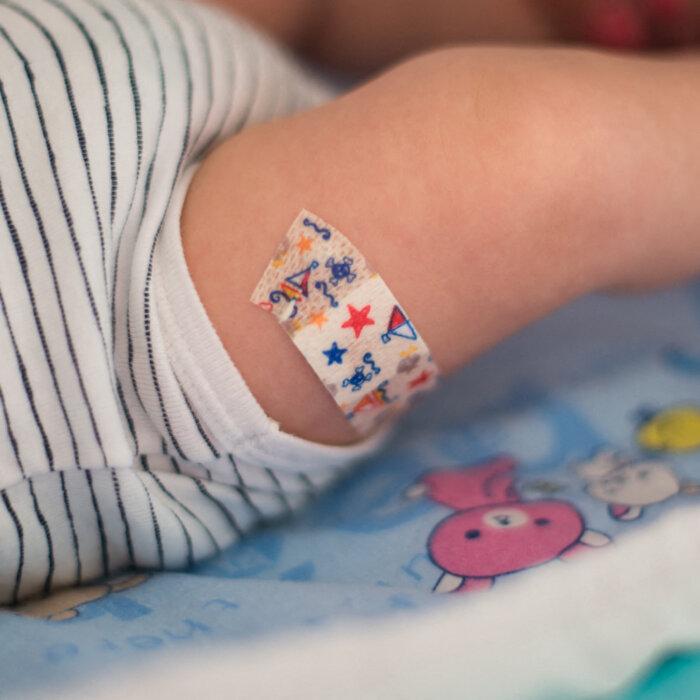
Soon after birth, American babies are given a vitamin K shot to prevent a rare bleeding condition so severe it can be fatal or leave them with permanent brain damage. Yet the number of parents refusing the shot has jumped 77 percent in less than a decade.
“In birth centers and out-of-hospital settings, I have seen a steady increase in parents refusing the vitamin K shot over the last decade,” Caitlin Goodwin, a doctor of nursing practice, certified nurse-midwife, and founder of Still Nurses, told The Epoch Times.
Why Newborns Are Given Vitamin K
“While vitamin K deficiency bleeding is rare, the reality is horrific,” Goodwin said, “Having managed care across the spectrum of birth environments, I can tell you that if it happens to your child, it is a 100 percent preventable tragedy.”
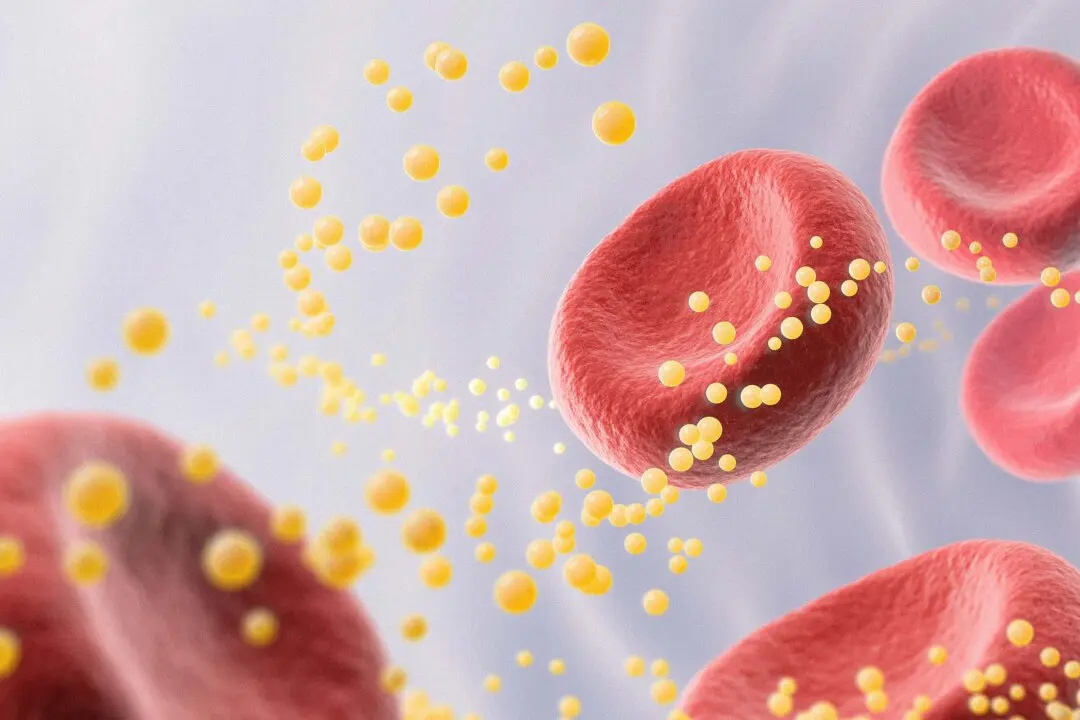
Babies are born with very low levels of vitamin K in their blood. Vitamin K does not pass easily from mother to baby through the placenta, is found at low levels in breast milk, and a newborn’s digestive tract lacks the bacteria needed to produce it. Because vitamin K helps blood clot, low levels put babies at risk for three types of bleeding deficiency: early—within 24 hours of birth, classic—within the first week, and late—between 2 and 24 weeks.

All three can cause life-threatening bleeding in the brain or digestive system. Signs include bruising, bleeding from the nose or umbilical cord, pale skin, and blood in the stool.
The shot has been a routine practice in the United States since the 1960s and has nearly eliminated vitamin K deficiency bleeding nationwide. Before it became standard, the consequences were stark. “One out of nine baby boys who had elective newborn circumcision without vitamin K had bleeding that wouldn’t stop,” Shannon Fitzgerald, a pharmacist and toxicologist, told The Epoch Times. In the early 1980s, some hospitals in England stopped giving vitamin K to all newborns—and cases of deficiency bleeding rose as a result.
Why Parents Are Saying ‘No’
Parents’ concerns are varied. Some cite worries about synthetic ingredients in the shot and their safety, whether a newborn really needs the injection, and a desire to have a more natural birth experience. Although the shot is an injectable vitamin, some parents consider it a vaccine, which may lead them to decline it.
Dr. Joel “Gator” Warsh, a functional pediatrician at Integrative Pediatrics and Medicine in California, and a contributor to The Epoch Times, said that the vitamin K shot has decades of safety data and is the most reliable way to prevent vitamin K deficiency bleeding.
“I understand why some parents hesitate—they want fewer interventions on day one, and I respect that instinct,” Warsh told The Epoch Times in an email. “But in this case, the benefit is very clear, and the downside is not as clear.”
The rise in vitamin K shot refusals may be a symptom of an overall growing mistrust in doctors and health agencies, and a pushback against pressure from experts and government recommendations.
Alison, a Wisconsin mother, declined vaccines for her newborn four years ago. If doctors had framed the vitamin K shot as a supplement to prevent dangerous bleeding rather than a vaccine, she might have been more open to it, she said, but she believes a healthy baby likely doesn’t need it.
Her skepticism and mistrust were reinforced by a difficult delivery experience that left her feeling rushed and unheard. Going forward, she prefers to research her options rather than accept every medical intervention offered.
According to Warsh, the reasons behind vitamin K hesitancy are multifactorial. “There’s definitely broader mistrust in institutions post-COVID, but I also see confusion from social media, conflation with vaccines, and a desire for ‘natural’ birth experiences driving some of it,” he said. “It’s less about vitamin K specifically and more about trust overall.”
If someone is considering declining the shot, Warsh wants them to at least understand the real risk they’re accepting and discuss alternatives thoughtfully rather than opting out reflexively.
What’s in the Vitamin K Shot?
The vitamin K shot is an injectable nutrient, not a vaccine. It does not stimulate the immune system to protect against infectious diseases like vaccines do.
There are two types: those with preservatives and those without. The Epoch Times reviewed two versions made by Pfizer and Cipla USA, but other companies, such as Merck and Amphastar Pharmaceuticals, also make vitamin K shots for newborns.
Preservative-Containing Vitamin K
“Polyoxyethylated fatty acid derivative is an emulsifier used to dissolve the fat-soluble vitamin K1, and is used in small amounts in this formulation,” Fitzgerald said. “In very large [intravenous] doses, it has rarely caused reactions, but in small amounts is considered generally safe.”
Dextrose is a common and safe substance often used in medical settings, and hydrochloric acid is used in trace amounts to adjust the pH, making the shot safer and more comfortable for injection, Fitzgerald added.
The prescribing information recommends using benzyl alcohol-free formulations in newborns and infants, if available, as potentially fatal reactions can occur in babies given excessive amounts of benzyl alcohol‑preserved drugs—though Fitzgerald notes this risk is mainly associated with premature, low-birthweight, or critically ill babies, and is avoided entirely with preservative-free versions.
Preservative-Free Vitamin K
The preservative-free version contains similar stabilizing and pH-adjusting ingredients, all of which, according to Fitzgerald, are commonly used in pharmaceuticals and, although inherently holding some risk, are considered generally safe at the single-dose amounts given to newborns.
Both versions may also contain trace amounts of aluminum as a manufacturing byproduct—not as an added ingredient. The risk of aluminum toxicity from a single, standard dose is extremely low, with buildup being a concern primarily for premature babies or those receiving long-term aluminum-containing treatments, Fitzgerald said.
Oral Vitamin K
Vitamin K can also be given by mouth. While oral versions are often used in Europe, there are no U.S. Food and Drug Administration-approved oral formulations available for children in the United States.
Oral vitamin K is a good option for parents who decline the shot, Warsh noted.
Oral protocols also require strict multi-dose adherence over weeks—a significant margin for human error compared to the one-time injection at birth. The Netherlands, which had used an oral protocol since 1990, switched to recommending the injection after late deficiency bleeding cases continued to occur, particularly in breastfed babies with impaired fat absorption.
Natural Alternatives to the Vitamin K Shot?
Some parents look for other options to boost their baby’s vitamin K. While research has found that there are ways to potentially increase how much a baby gets, research is unclear on whether these methods actually prevent vitamin K deficiency bleeding.
Over-the-counter vitamin K drops are available in the United States as a dietary supplement. However, unlike prescription drugs, the FDA does not approve dietary supplements for safety or effectiveness before they enter the market. Since these products are not subject to a strict premarketing approval process, there’s no guarantee they contain vitamin K in the amounts stated on the label.
Additionally, over-the-counter drops are not equivalent to the standard intramuscular dose, Warsh said. Oral regimens require multiple properly dosed administrations and still provide less reliable protection against late vitamin K deficiency bleeding. If parents decline the shot, Warsh noted that any oral approach should be medically supervised—not do-it-yourself.
“There is no ‘natural’ replacement that matches the efficacy of the injection,” Goodwin said.
The vitamin K shot is widely considered the gold standard and most effective method for preventing all forms of vitamin K deficiency bleeding, Fitzgerald noted. “The benefits from administration of these injections far outweigh any risks.”
Doctors and public health experts need to have calm, non-dismissive conversations with parents who are hesitant to give their baby the vitamin K shot, Warsh said.