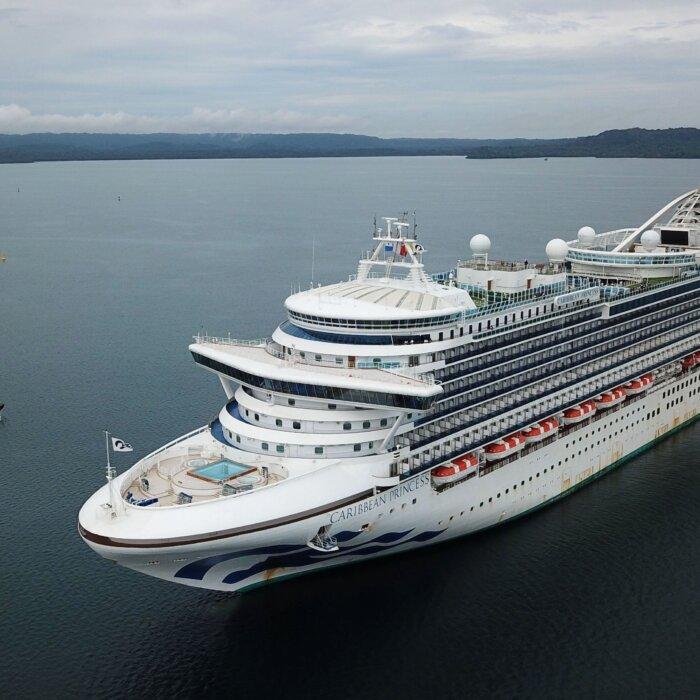
When the Caribbean Princess set sail from Fort Lauderdale at the end of April, most of the passengers on board were thinking about beaches, buffets, and partying.
Within days, however, more than 100 of them were struck down by one of the most contagious viruses on earth, one that spreads through shared surfaces, contaminated food, and even the air after someone vomits.
What Is Norovirus?
Norovirus is a highly contagious virus that causes inflammation of the stomach and intestines, triggering vomiting, diarrhea, nausea, and stomach pain. The disease is often referred to as the “stomach flu,” although it is not related to influenza.“Norovirus is not a stomach flu; it is a hygiene stress test,” Dr. Steven Quay, a public health expert and author of “The Code as Witness,” which examines the origins of COVID-19 and gaps in global biosecurity, told The Epoch Times.
It is a leading cause of acute gastroenteritis outbreaks worldwide and accounts for more than 90 percent of diarrheal disease outbreaks on cruise ships, according to the CDC.
Quay calls it the “spark in dry grass” of gastrointestinal viruses.
“One sick person vomiting in a bathroom, dining room, classroom, or cruise cabin can seed an outbreak. It spreads by hands, food, water, surfaces, and aerosolized droplets from vomit,” he noted.
There are multiple strains of norovirus, and some are more virulent or transmissible than others, which can lead to more severe outbreaks. The most common types that infect people are Genogroup I and Genogroup II.
A Pattern of Outbreaks
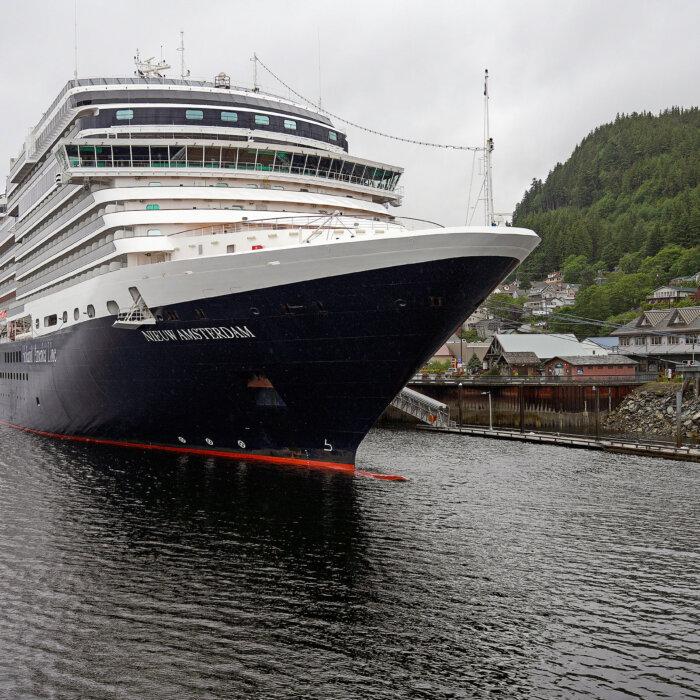
The recent outbreak on Caribbean Princess follows a pattern of outbreaks appearing on cruise ships. In March, nearly 200 people on another Princess Cruises ship, the Star Princess, became ill with norovirus.Over the past year, the CDC has tracked more than 2,200 illnesses linked to 18 norovirus outbreaks on cruise ships, though this represents only 1 percent of all reported outbreaks in the United States annually.
Princess Cruises confirmed the outbreak affected a “small number of individuals” experiencing mild illness, and said the ship underwent enhanced disinfection throughout the voyage. A comprehensive cleaning is planned before its next departure.
The CDC notes that norovirus remains a leading cause of diarrheal disease outbreaks, especially on cruise ships, where close contact facilitates rapid spread. However, it should be noted that norovirus is far more common on land, with outbreaks on cruise ships accounting for only 1 percent of such outbreaks.
The virus spreads easily on cruise ships due to factors, including enclosed and shared ventilation systems that enable airborne spread, communal dining areas with buffet service where food can be contaminated, and shared spaces such as pools that can harbor the virus.
Symptoms and Recovery
Symptoms typically appear within 12 to 48 hours after exposure, meaning an outbreak can move through a group in one to two days.The illness—abrupt vomiting, diarrhea, cramps, and nausea—normally lasts from one to three days, after which most people recover fully without complications, Quay added.
He noted that for most healthy people, norovirus is “miserable but self-limited.” The real danger, Quay emphasized, is not the virus invading organs; it is dehydration, especially in infants, older adults, frail patients, and people with compromised immune systems.
Treatment is straightforward: oral fluids, electrolytes, and medical attention if dehydration worsens. There is currently no antiviral medication or vaccine for norovirus.
How to Protect Yourself
Preventing norovirus infection involves diligent hygiene and sanitation practices because the virus spreads easily through contaminated food, water, surfaces, and close contact with infected people.“My advice is blunt,” Quay said. “Soap beats sanitizer.”
He recommends washing hands with soap and water for at least 20 seconds, especially after using the bathroom, changing diapers, and before eating or preparing food.
“Alcohol hand sanitizer may help in between,” he added. “But CDC is clear that it is not a substitute because it does not work well against norovirus.”
- Wear gloves when cleaning vomit or diarrhea.
- Wash contaminated laundry promptly.
- Disinfect hard surfaces with a bleach-based or Environmental Protection Agency (EPA)-approved product that is effective against norovirus.
- Keep the sick person’s eating utensils and bathroom use as separate as possible.
To manage a norovirus outbreak effectively, Quay said it’s crucial to isolate sick people quickly and prevent symptomatic people from remaining in food lines, classrooms, group activities, or shared patient areas.
“They should be kept out until at least 48 hours after recovery,” he said.
“Lastly, early communication is essential,” Quay said. “Silence can aid the virus’s spread, whereas clear instructions can help stop transmission.”