Losing weight can be a challenging journey, and while appearance matters to some, the absolute priority should be a healthy fat metabolism. Many fad diets and weight loss medications promise quick results but often harm the body in the long run. Instead of relying on extreme measures, why not explore a natural approach rooted in traditional Chinese medicine (TCM)?
The Girdle Vessel acupoint (Dai Mai, GB26) has been used for centuries to support digestion and fat metabolism. For those struggling with stubborn belly fat, this ancient practice may offer a holistic and sustainable solution.
The Unique Role of Dai Mai in TCM
The name of this acupoint is unique because it shares the same name as the Girdle Vessel or Dai Mai. It is one of the eight extraordinary vessels in TCM and is the only energy channel that runs horizontally across the lower abdomen, resembling a belt. The Dai Mai acupoint was first documented in the classical text “Su Wen (Basic Questions),” described as being located at the intersection of the gallbladder meridian and the Dai Mai vessel.Due to its location, the Dai Mai acupoint plays a crucial role in maintaining energy flow within the body. In TCM, a well-functioning Dai Mai vessel promotes the smooth circulation of qi and bodily fluids, helping to prevent the accumulation of excess fat in the abdomen.
The Dai Mai is also associated with menstrual regulation. Its proximity to the reproductive organs supports hormonal balance and reproductive health.
Modern Research Supports Its Role in Fat Metabolism
Scientific studies now validate what TCM has long suggested—stimulating Dai Mai can effectively reduce abdominal fat and improve metabolic health.One clinical study explored acupuncture’s impact on abdominal obesity using the “Belt Vessel Regulation Acupoint Recipe,” which includes Dai Mai. Over eight weeks, 35 patients received acupuncture treatments every other day, with measurements taken for weight, body mass index, waist circumference, and fat thickness. The results showed significant reductions in all these markers, particularly in visceral fat, the dangerous fat surrounding internal organs. This suggests that stimulating Dai Mai can be an effective tool for weight management, especially for reducing belly fat.
Another study examined whether acupuncture could aid postpartum women with diastasis recti abdominis, a condition where the abdominal muscles separate. Researchers divided 87 women into two groups: one received only rehabilitation exercises, while the other received acupuncture alongside the exercises. The acupuncture group experienced greater reductions in abdominal separation and waist circumference, along with less lower back pain and a higher quality of life. The effectiveness rate in this group was an impressive 95.5 percent, compared to 79.1 percent in the exercise-only group.
How to Locate and Stimulate Dai Mai
To locate Dai Mai, imagine drawing a straight line down from the middle of your armpit and another horizontal line at the level of your belly button. The intersection of these two lines marks the acupoint. You’ll know you’ve found the right spot if the point feels tender or sore when pressed.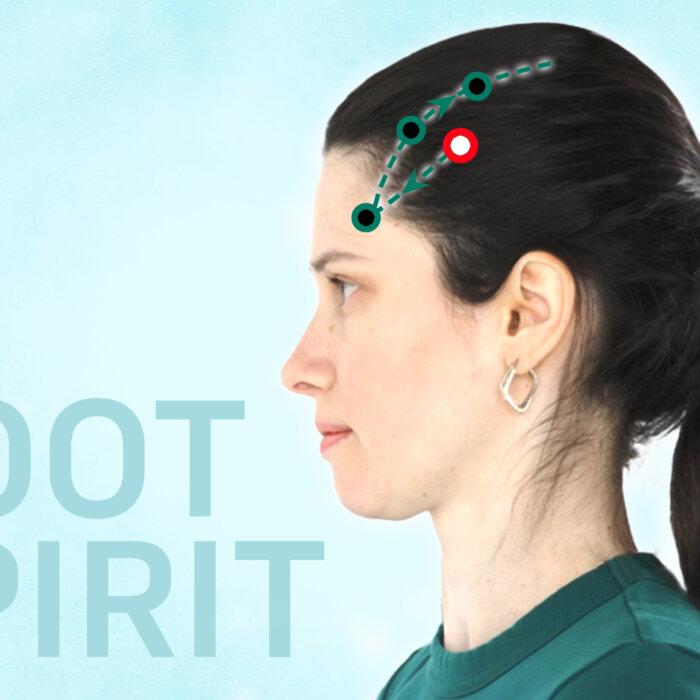
Dai Mai can be stimulated using several simple yet effective techniques:
- Direct Pressure: Firmly press the acupoint for three to five seconds, relax for three seconds, and repeat for one to three minutes on each side.
- Circular Massage: Use your index finger or thumb to massage the point in small circles for one to three minutes per side.
- Patch Therapy: Apply an herbal patch overnight for convenience and enhanced effectiveness.
- Advanced Techniques: Acupuncture, cupping, and moxibustion (a gentle heat therapy with dried mugwort) performed by a trained TCM professional can provide deeper stimulation and long-lasting benefits.
Who Should Use Caution?
If you have injuries in the lower abdominal region, avoid pressing or massaging Dai Mai. Be mindful of artificial ingredients when using herbal patches, as some may irritate sensitive skin.A Holistic Answer to Modern Dietary Challenges
In ancient times, excess belly fat was viewed as a symbol of status. Even today, in China, it is often nicknamed a “general’s belly” because of its historic association with wealth and privilege. However, in the modern world, maintaining a healthy weight can be quite challenging. Stimulating the Dai Mai can aid in regulating fat metabolism and support healthier digestion, whether your goal is to lose weight or simply to help your body process a huge dinner.TCM expert Shihhsiang Hung helped ensure the accuracy and clarity of this article.
Views expressed in this article are the opinions of the author and do not necessarily reflect the views of The Epoch Times. Epoch Health welcomes professional discussion and friendly debate. To submit an opinion piece, please follow these guidelines and submit through our form here.