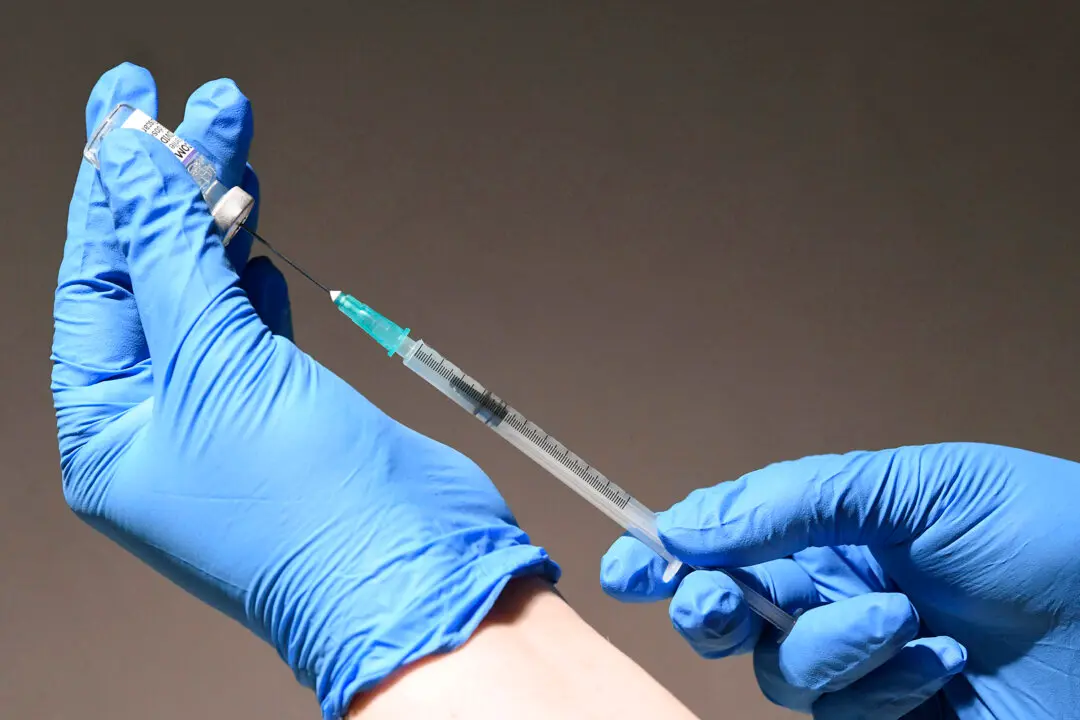
A vaccine that had shown promise against gonorrhea did not protect against gonorrhea in men who have sex with other men, according to newly published clinical trial results.
The efficacy was arrived at by comparing the incidence of infection between participants—160 infections among 296 participants—who received the vaccine, and participants who were given a placebo—155 infections among 291 participants.
Furthermore, serious adverse events were more common among vaccine recipients, the researchers found. Among that arm, 4.7 percent experienced a serious adverse event, versus 2.8 percent in the placebo group.
The trial was funded by the Australian National Health and Medical Research Council and GlaxoSmithKline, which manufactures 4CMenB, also known as Bexsero.
The vaccine was developed and cleared to protect against meningococcal disease, and is used around the world.


GlaxoSmithKline did not respond to a request for comment on the newly reported trial results, but UK officials said the data would not alter their vaccine program.
“When estimating vaccine impact, it is important to consider a range of evidence,” Dr. Mary Ramsay, director of public health programs at the UK Health Security Agency, told The Epoch Times via email.
Ramsay added later: “Over 30,000 people in England have started this course of vaccination, and this will provide more robust data on vaccine impact and effectiveness. These findings will be published in due course.”
Odil Harrison, associate professor at the University of Oxford’s Oxford Population Health Infectious Disease Epidemiology Unit, said the trial results were important.
“This large, well-conducted randomized controlled trial found no evidence of protection against gonorrhea in high-risk populations. Importantly, these findings are consistent with those from the earlier ... trial undertaken in France, strengthening the evidence that any protection conferred by 4CMenB against gonorrhea in high-risk populations is likely to be lower than initially suggested by observational studies,” Harrison said in a statement. “This shows why randomized trials remain essential for evaluating vaccine effectiveness, particularly when earlier evidence comes largely from observational studies.”
He said the results should help guide the development of new vaccines that are specifically designed to prevent gonorrhea.