A bipartisan group of U.S. lawmakers on July 27 issued a formal inquiry on the Food and Drug Administration’s (FDA) regulation of cannabidiol (CBD), a compound derived from the cannabis sativa plant.
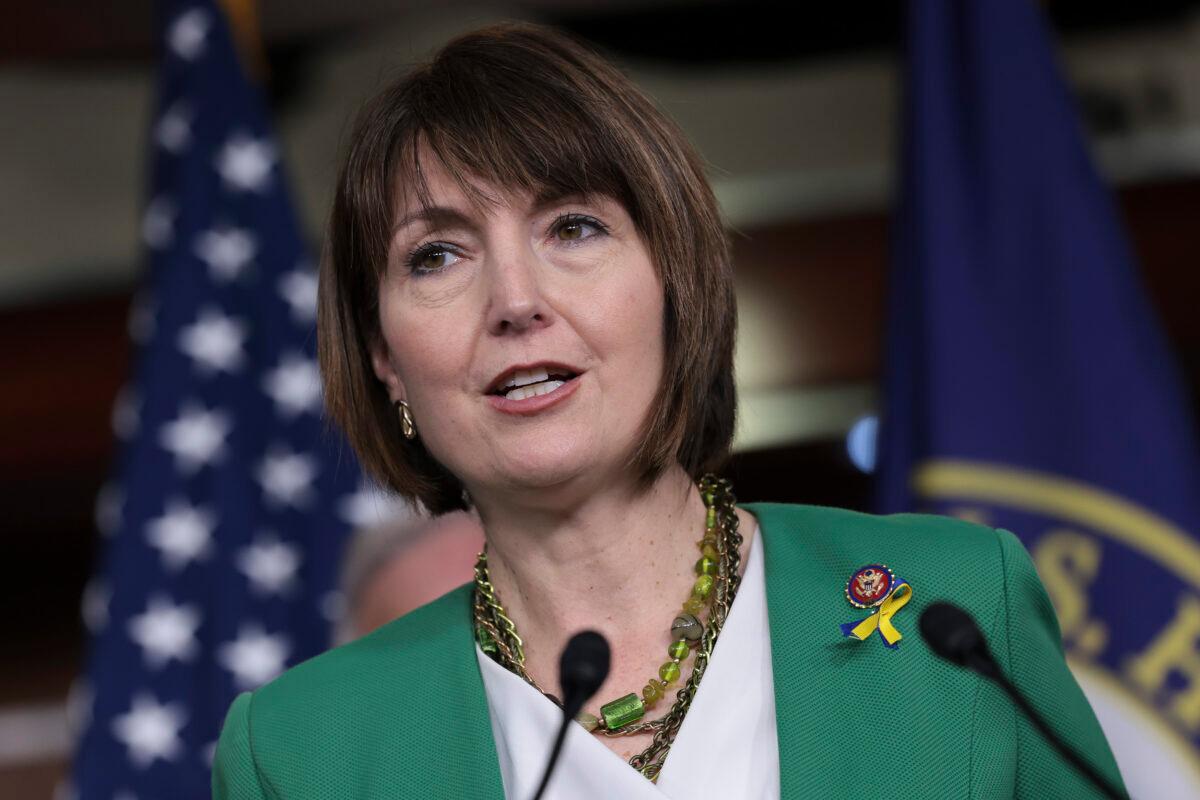
House Energy and Commerce Committee Chair Cathy McMorris Rodgers (R-Wash.), and ranking member Frank Pallone Jr. (D-N.J.), along with Senate Health, Education, Labor, and Pensions Committee Chair Bernie Sanders (I-Vt.), and ranking member Bill Cassidy (R-La.) issued a bicameral request for information to “subject matter experts and stakeholders.”
“Since hemp was descheduled five years ago, consumers, manufacturers, and policymakers have sought clarity regarding the legal status of CBD,” the request reads.
“Farmers, food and beverage groups, and state regulators have shared their policy priorities with Congress. Questions remain about the best way to provide a legal pathway to market for CBD products,” it added.
They requested information on the current market for CBD products, including the types and forms of products available, manufacturing practices within the industry, market supply chain, how products are marketed and sold, and the marketed effects of CBD products.
The lawmakers also inquired about CBD’s safety and risk-benefit profile and “how has the absence of federal regulation over CBD created a market for intoxicating, synthetically-produced compounds.”
“In January 2023, FDA announced that it would like to work with Congress to craft a legislative approach to the regulation of CBD products,” they said.
“We are assessing the potential for a regulatory pathway for hemp-derived CBD products that prioritizes consumer safety and provides certainty to the U.S. market,” the lawmakers added.
‘No Adequate Evidence’
The FDA has said that it has no plans to pursue rulemaking allowing the use of CBD in foods and dietary supplements. The agency said it will continue to take action against CBD and other cannabis-derived products.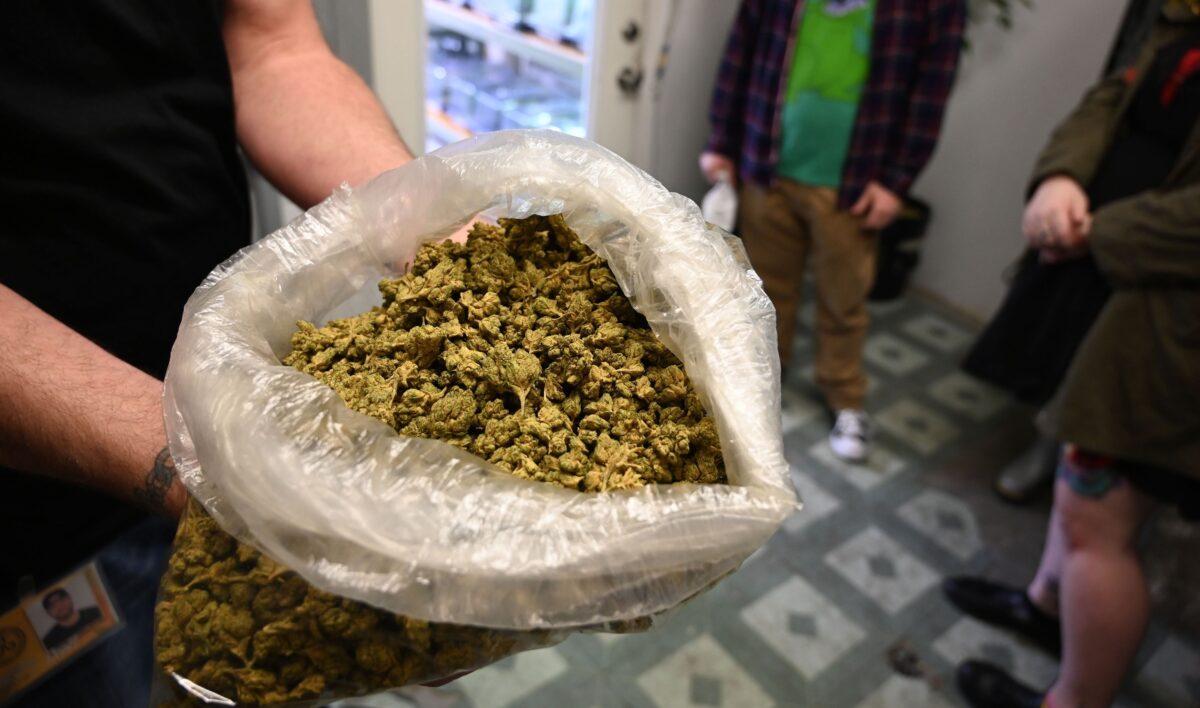
“We have not found adequate evidence to determine how much CBD can be consumed and for how long before causing harm. Therefore, we do not intend to pursue rulemaking allowing the use of CBD in dietary supplements or conventional foods,” it added.
The FDA said that available data did not show how CBD products could meet the safety standard for substances in animal food, and it did not intend to provide new rules allowing the use of the compound in animal food either.
“The FDA has concluded that a new regulatory pathway for CBD is needed that balances individuals’ desire for access to CBD products with the regulatory oversight needed to manage risks,” it said.
Cannabidiol is a non-psychoactive compound derived from cannabis. Long-term use of the compound has raised several safety concerns, including potential harm to the liver and the male reproductive system.
Cannabis products, excluding Jazz Pharmaceuticals Plc’s epilepsy drug Epidiolex, are illegal at the federal level in the United States, although some states allow their use.