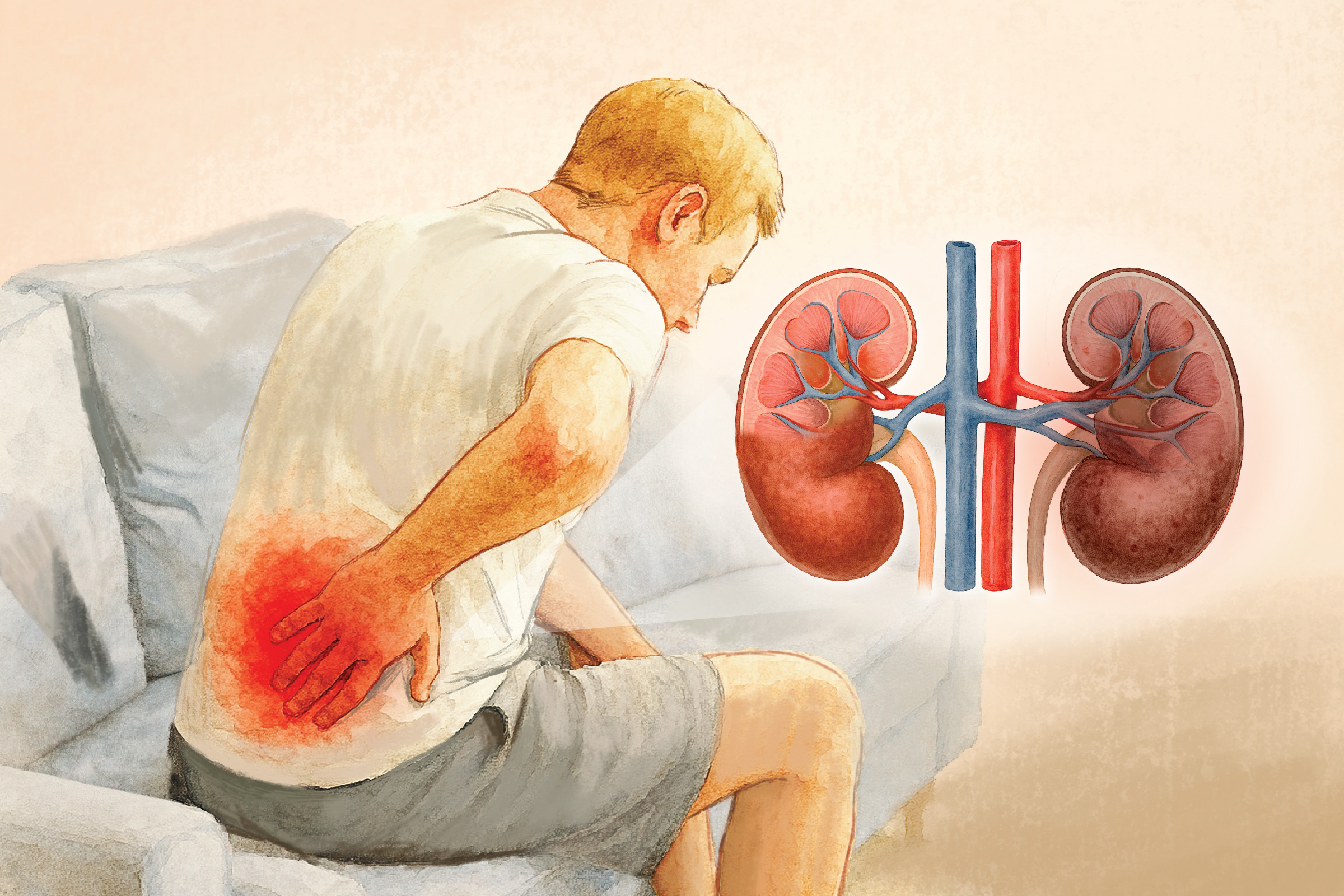

Literally meaning “urine in the blood,” uremia is a serious medical condition typically resulting from kidney failure, in which the kidneys can no longer filter out urea—a major organic component of urine—or metabolic waste products from the blood. Normally, these waste products are expelled through urine, but in uremia, they build up in the bloodstream. This leads to a toxic accumulation, causing a range of symptoms and complications beyond those of the underlying kidney disease.
Uremia, also called uremic syndrome, is caused by renal failure and is not a disease itself. The exact prevalence of uremia in the United States is difficult to determine because many end-stage kidney disease patients begin dialysis before developing uremic symptoms.

What Causes Uremia?
- Kidney stones: Can interfere with normal urine flow and contribute to waste buildup.
- Renal artery blockage or embolism: A blockage that restricts blood flow to the kidneys, impairing their function.
- Polycystic kidney disease: A genetic disorder that causes multiple fluid-filled cysts to grow in the kidneys. These can enlarge the organs and distort their shape, unlike the harmless cysts that often appear with age.
Kidney infections can also contribute to renal conditions. Examples include glomerulonephritis, which involves inflammation and scarring of the kidney’s filters (glomeruli), leading to reduced function and waste buildup, and immunoglobulin A (IgA) nephropathy, an autoimmune disorder in which antibody deposits cause inflammation and damage to the glomeruli.
2. Chronic conditions:- Diabetes: The leading cause of ESRD in the United States, responsible for 40 percent of new dialysis patients. It’s also the primary cause of kidney failure worldwide.
- Lupus: Systemic lupus erythematosus (lupus) is a chronic autoimmune disease in which the immune system mistakenly attacks the body’s own tissues. Kidney involvement can worsen over time and may eventually lead to kidney failure.
- Multiple myeloma: A blood cancer that begins in bone marrow plasma cells. Cancerous cells grow uncontrollably, disrupting the production of normal cells that fight infection and potentially damaging the kidneys.
- Anti-glomerular basement membrane disease: A rare autoimmune condition that can cause rapid kidney failure and lung complications.
- Hypertension: High blood pressure can narrow blood vessels in the kidneys, reducing blood flow and impairing function, causing waste and fluid buildup.
- Cardiovascular problems: Conditions such as congestive heart failure—when the heart’s ability to pump blood effectively is weakened—can increase pressure in the veins connected to the kidneys, reducing oxygen delivery and impairing kidney function.
Uremia can occur after an acute kidney injury, especially if there’s a sudden rise in urea or creatinine levels. It can also result from shock to the body—such as hemorrhage, trauma, or toxic shock—which damages the kidneys and impairs their ability to filter waste due to circulatory failure.


- High-dose nonsteroidal anti-inflammatory drugs (NSAIDs): NSAIDs can lead to kidney problems by reducing blood flow to the kidneys.
- Medications that can cause acute kidney injury: Examples include certain antibiotics, blood pressure medications, chemotherapy drugs, HIV treatments, and ulcer medications.
- Illegal drugs: Substances such as heroin and methamphetamine can cause acute kidney injury.
Risk Factors of Uremia
Certain groups may face a higher risk of developing uremia.What Are the Symptoms and Early Signs of Uremia?
Early Signs
In the early stages of uremia, subtle signs may begin to emerge, often affecting the nervous and digestive systems.- Peripheral neuropathy: Damage to the nerves connecting the brain and spinal cord to the limbs, potentially leading to tingling, numbness, or weakness, particularly in the hands and feet.
- Leg cramps: May develop as the body’s internal balance begins to shift due to accumulating waste products.
- Insulin resistance: Occurs when the body’s cells don’t respond properly to insulin, resulting in higher blood sugar levels. In chronic kidney disease, insulin resistance increases the risk of malnutrition, heart disease, and death.
- Thyroid dysfunction: In people with uremia, the body may not produce thyroid-stimulating hormone (TSH) correctly. TSH, produced by the pituitary gland, stimulates the thyroid to produce hormones that regulate metabolism.
- Metabolic symptoms: As the kidneys lose function, they struggle to maintain balance in fluid levels, minerals, hormones, and waste removal, leading to various metabolic complications.
- Anemia: Common in patients with kidney disease, anemia can cause fatigue and weakness.
Common Symptoms
As the condition progresses, more noticeable symptoms often surface.- Neurological symptoms: May develop gradually and include drowsiness, memory loss, reduced awareness, and agitation. Brain-related complications such as cerebral edema and sensory impairments caused by nerve damage can lead to serious cognitive and sensory disruptions.
- Digestive symptoms: Often involve abdominal discomfort, loss of appetite, stomach pain, and abnormal fluid accumulation in the abdominal cavity. Nausea and vomiting may also occur.
- Cardiovascular symptoms: May include fluctuating blood pressure, cardiac insufficiency, inflammation of the heart’s protective sac (pericarditis), and irregular or rapid heartbeats.
- Respiratory symptoms: Can involve fluid buildup in the lungs and altered breathing patterns as the body attempts to regulate blood chemistry.
- Skin symptoms: May be particularly noticeable, including widespread pigmentation changes, a gray-yellow skin tone, pale appearance, and nail deterioration.
- Reproductive issues: Hormonal imbalances caused by uremia can affect reproductive health, leading to impotence in men and infertility or missed periods in women.
What Are the Types of Uremia?
Acute Uremia
Occurs within a few days of acute renal insufficiency. Common symptoms include nausea, fatigue and confusion, or altered mental status. It is also characterized by mental confusion, abdominal bloating, continuous vomiting, hiccups, and limb jerking.Chronic Uremia
Chronic uremia develops gradually as a result of chronic kidney disease and typically requires long-term treatment such as dialysis or a kidney transplant. It usually lasts more than three months and may involve symptoms such as anorexia, weight loss, itching, peripheral neuropathy, and increasing cognitive impairment.How Is Uremia Diagnosed?
Lab Tests
Doctors primarily assess kidney function by measuring glomerular filtration rate and creatinine levels. Additional diagnostic tools include 24-hour urine collection and the Modification of Diet in Renal Disease formula. Blood tests can also measure markers like hemoglobin, calcium, phosphate, and electrolyte levels to provide a more complete picture of the condition’s severity.Imaging Tests
To complement lab tests, doctors may use imaging techniques like:- Renal ultrasound to examine kidney size and structure
- Computed tomography (CT) scans to evaluate potential brain or abdominal complications
- Magnetic resonance imaging (MRI) to detect specific vascular or structural kidney issues
What Are the Possible Complications of Uremia?
- Skin-related complications: These may include intense itching and skin hyperpigmentation.
- Cardiovascular issues: These are particularly dangerous and may involve pericarditis, fluid accumulation around the heart, arrhythmias, heart failure, coronary artery disease, and valve calcification, which can progressively block blood flow. In severe cases, heart problems may escalate to critical conditions like cardiac arrest.
- Neurological complications: Beyond neuropathy and myopathy, uremia can lead to uremic encephalopathy—brain dysfunction due to toxin accumulation. Symptoms may include seizures, altered mental states, and, in extreme cases, coma.
- Blood and metabolic disorders: These may include electrolyte imbalances, delayed blood clotting, and coagulopathy. Such disorders can cause abnormal bleeding from even minor injuries, creating significant health risks.
- Organ-specific complications: These include uremic pancreatitis or inflammation of the pancreas and respiratory challenges that may progress to respiratory failure. The kidneys’ inability to maintain proper acid-base balance can also lead to acidosis, further disrupting metabolic function.
- Nutritional challenges: Malnutrition is common and may further weaken a person’s overall health and resilience.
What Are the Treatments for Uremia?
Acute Uremia Treatment
Immediate treatment within the first 24 hours after diagnosis focuses on stabilizing the patient and addressing the underlying cause. This may include urgent interventions to remove waste buildup and restore kidney function. Treatment methods include:- Blood transfusions: Patients with severe anemia due to kidney failure may need blood transfusions to increase red blood cell count and improve oxygen delivery to tissues.
- Fluid therapy: Effective treatment for acute kidney injury involves careful fluid balance management. This involves regular hydration assessments, personalized fluid plans, and frequent monitoring of fluid and electrolyte levels to adjust the treatment as the patient’s condition evolves.
- Hospitalization: Inpatient care is necessary for patients with serious complications, such as hyperkalemia (high blood potassium), hypervolemia (fluid overload), and acidosis (acidic body fluids).
Long-Term Management
Once blood pressure is stabilized, long-term treatment can begin. Options include:- Dialysis: Also known as “blood washing,” dialysis is recommended for patients with uremic symptoms when medications and other treatments are no longer effective. In emergencies—such as severe acid buildup or heart and brain complications—dialysis is required immediately.
- Hemodialysis: A primary form of dialysis that uses a machine to filter toxins from the blood when the kidneys are not functioning properly.
- Dietary modification: Patients with chronic kidney disease should follow a diet low in potassium, phosphate, and sodium. Protein intake must be carefully balanced. A plant-based diet may slow chronic kidney disease progression and delay the need for dialysis.
- Medications: Erythropoiesis-stimulating agents may be prescribed to boost red blood cell production when hemoglobin levels drop. Ferrous sulfate supplements help treat iron deficiency. Phosphate binders are used to control phosphate levels, especially when calcium-based treatments are not suitable.
- Kidney transplant: Renal transplantation is the most effective treatment for kidney failure, offering better survival rates and quality of life than dialysis. While dialysis can be a temporary solution for those awaiting a transplant or ineligible for one, it’s important to consider a transplant early, as the waiting list can take more than two to three years.
How Does Mindset Affect Uremia?
Patients with a proactive and optimistic outlook are more likely to follow medical advice, manage stress effectively, and maintain strong communication with health care providers, which can support better overall health.
What Are the Natural Approaches to Uremia?
How Can I Prevent Uremia?
- Regular check-ups: The best way to prevent kidney failure and uremia is to regularly monitor kidney function with a specialist, especially if you have existing kidney weakness.
- Avoid substances that harm the kidneys: This includes certain medications, such as aspirin, naproxen, and ibuprofen, which may impair kidney function.
- Use caution with imaging tests: N-acetylcysteine can be given before and after procedures involving intravenous contrast—such as CT scans or renal angiograms—to reduce the risk of kidney toxicity. Iodinated contrast media, commonly used in these procedures, are known to increase the risk of kidney toxicity. When possible, consider alternative noncontrast imaging methods like ultrasound or MRI to avoid acute kidney injury. If contrast-enhanced MRI is necessary, be aware that gadolinium-based contrast agents may also pose risks, particularly in patients with preexisting kidney impairment. Following these precautions can help slow or even halt further kidney damage.