
Ugandan officials have confirmed a case of a severe disease called Marburg, authorities said on July 1.
Uganda notified the World Health Organization (WHO) on Tuesday of a confirmed Marburg case, a spokesperson for the organization told The Epoch Times in an email.
“Uganda is doing contact tracing and has reported no contacts of the confirmed case have presented with signs,” the spokesperson said.
Marburg is a rare disease that is caused by an orthomarburgvirus. It can lead to symptoms such as rash and severe bleeding.
In the most recent Marburg outbreak in Ethiopia, more than half of the confirmed and suspected patients died. Historically, 24 percent to 88 percent of cases have perished, according to the WHO.
Marburg can be hard to distinguish from some other diseases, such as malaria, typhoid fever, and meningitis, according to the WHO.
The U.S. State Department already recommends Americans not travel to Uganda because of ongoing issues with crime, terrorism, and health.
The U.S. Embassy in Uganda said on June 29 that it was aware of reports of a potential case of Marburg in western Uganda.
It referred to the Uganda Health Ministry for more information.
The Uganda Health Ministry has not confirmed any Marburg cases publicly, and did not respond to a request for comment by the time of publication. The U.S. Department of Health and Human Services did not respond to an inquiry.
Uganda is an East African country with a population of approximately 50 million people.
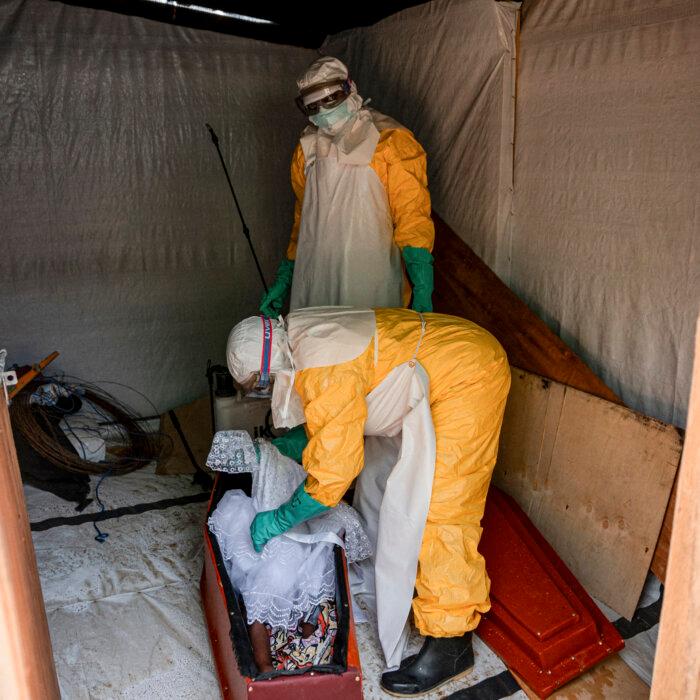
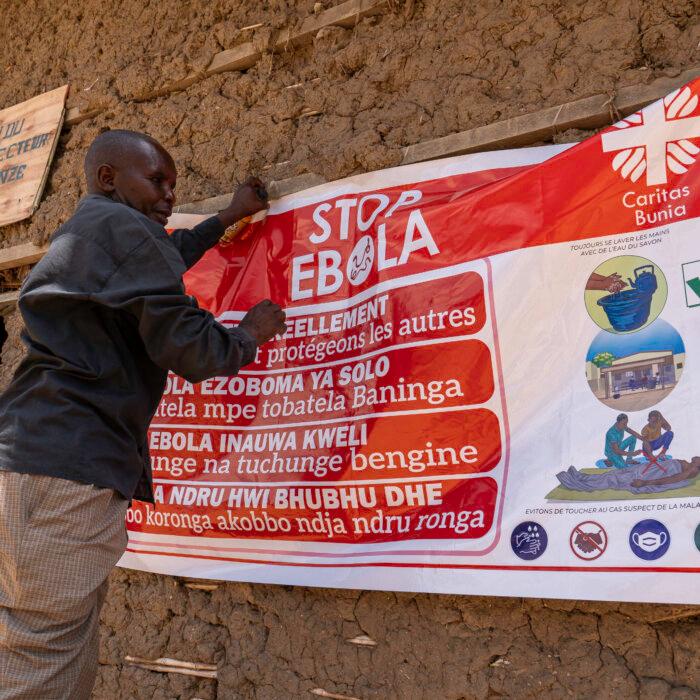
Uganda is already dealing with an outbreak of Ebola, a disease that can also cause severe bleeding and death. It has recorded 21 confirmed and probable cases, and three confirmed and probable deaths.
Most cases and deaths in the Ebola outbreak have taken place in neighboring Congo.
Marburg primarily spreads through contact with Egyptian rousette bats and the bodily fluids of infected people. To avoid the disease, people should not come into contact with bats, primates, or fluids from sick people.
Following infection, symptoms typically appear in two to 21 days. Deaths usually occur between eight and nine days after the onset of symptoms, according to the WHO.
There are no approved treatments for Marburg at this time. The U.S. Centers for Disease Control and Prevention says that treatment involves supportive care, rest, hydration, management of oxygen and blood pressure, and caring for secondary infections.
Marburg was first detected in 1967 in Germany and Serbia, which had been experimenting with African green monkeys from Uganda. Subsequent outbreaks have been detected in various African countries.