A recent worldwide study has discovered that there have been several hundreds of laboratory-related infections over the past two decades, and over a dozen cases of pathogens escaping from facilities.
- Out of the 309 LAI cases, the United States accounted for 238, followed by Europe with 28, and Asia with 23 incidents.
- Close to 40 percent of LAI cases occurred in an academic setting, around 25 percent in unspecified locations, and nearly 20 percent in research facilities. Over 7 percent were attributed to vaccine facilities.
- In terms of pathogens, bacteria were the leading cause of LAIs, making up 77 percent of all cases, followed by viruses at 13.9 percent.
- The leading cause of LAIs was found to be procedural errors, which accounted for close to 70 percent of incidents. Other reasons included needlestick injuries, spills, splashes, broken vials, and animal bites.
“However, APELS were responsible for disease outbreaks in some cases, such as the 10,528 brucellosis infections linked to a Brucella vaccine production facility in Lanzhou, China.”
Seven out of the 16 APELS took place in the United States, with China and the UK registering two incidents each. Eleven out of the 16 incidents took place in research or university laboratories, while four occurred in vaccine production facilities.
A 1951 research into the issue found 1,342 LAI cases from 69 pathogens. While the results from the current study may suggest that LAIs and APELS have declined since 1951, this may not be the case, the researchers wrote while asking that the results be “interpreted with caution due to potential biases in voluntary reporting.”
“Without globalized formal reporting requirements, the data summarized here could only represent the tip of the iceberg,” the study said.

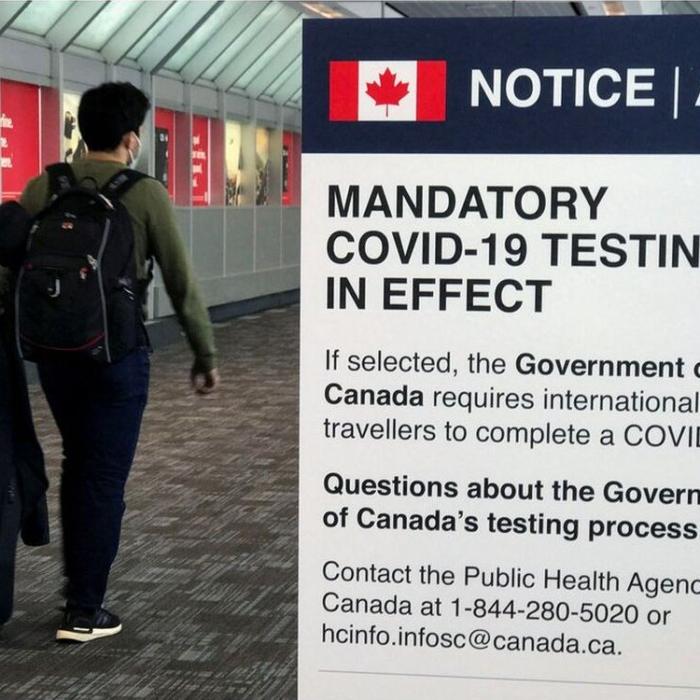
“The possibility also exists that LAIs could be under-reported because of an inability to discriminate between community-acquired infections or LAIs, especially when high levels of transmission are present in the community,” such as with the COVID-19 virus.
Pathogens, Biolab Safety
The Lancet study highlighted the various pathogens involved in the LAI cases. Out of the 309 incidents, 154 were caused by Salmonella enterica Typhimurium, which is the number one cause of food poisoning in Western nations. In the United States, the pathogen causes around one million illnesses annually.“The largest outbreak of S Typhimurium (n=109) occurred among students in microbiology teaching laboratories and employees in clinical microbiology laboratories across 38 states in the USA.”
The study suggested that an “improved understanding of the causes of LAIs and APELS and implementation of suitable preventive steps and actions (including continuous improvement through formalized LAI and APELS reporting and root-cause analysis) will mitigate future occurrences.”
Researchers also recommended “incorporating robust institutional leadership, laboratory design, and risk-based practices appropriate for working with known biohazards, especially those known to cause LAIs and APELS, into laboratory management.”
Laboratories are classified on a scale of BSL-1 to BSL-4 depending on the safety measures they implement, with BSL-4 representing the highest safety precautions.
“Roughly half of BSL4 labs are less than the size of a tennis court,” it stated. “Only seven BSL4 labs conduct their work solely in biosafety cabinets.”
“Overall, there are several trends that raise biosafety and biosecurity concerns given the global boom in construction of BSL4 and BSL3+ labs, particularly where biorisk management oversight is weak.”