Immune Dysregulation Triggers Hashimoto’s Thyroiditis
The mechanism implicated in Hashimoto’s thyroiditis is the activation of auto-aggressive lymphocytes, or white blood cells directed against self which trigger the production of antibodies against enzymes involved in thyroid hormone production and storage called thyroid peroxidase (TPO) and thyroglobulin (TG) (4). Development of anti-thyroid antibodies, correlated with progressive thyroid damage and lymphocytic inflammation (5), represents an eight-fold and 25-fold increased risk of the subsequent development of clinical hypothyroidism in women and men, respectively (6).
As a result of autoantibody formation, inflammatory cytokine production, and migration of immune cells toward the thyroid gland, auto-destruction of thyroid epithelial cells occurs, and hypothyroidism is the end product (2). As a compensatory reaction, levels of the upstream pituitary hormone thyroid stimulating hormone (TSH) rise in an attempt to prompt the remaining thyroid cells to increase thyroid hormone production (2). Once levels of TSH meet an arbitrary diagnostic threshold, established based on a reference group uncorrected for chronic or occult disease (7), Hashimoto’s patients are unilaterally offered levothyroxine, a synthetic analog of thyroxine (T4) that is the conventional treatment of choice.
However, even when thyroid parameters return to so-called normal levels, a significant proportion of patients on thyroid hormone replacement continue to report fatigue and diminished quality of life (8). This is unsurprising, since thyroid replacement therapy does nothing to arrest the underlying autoimmune pathogenesis responsible for Hashimoto’s, but rather applies a hormonal Band-Aid to keep symptoms at bay. This failure to practice root-cause resolution medicine, and address the immune dysregulation that invokes Hashimoto’s in the first place, also accounts for the three-fold increased likelihood of developing another autoimmune disease after the first autoimmune diagnosis (9).
Selenium Deficiency: A Global Problem
A rare element on our planet, the name selenium is derived from the Greek word “σελήνη” or “Selene,” meaning moon, since its appearance is bright and gray when melted (10). The concentration of selenium in igneous bedrock is lower than any other nutrient element (11). Selenium is a Goldilocks nutrient, demonstrating a U-shaped relationship with disease, as both selenium excess and deficiency are associated with adverse health outcomes (12).
Selenium content in foods is predicated upon the selenium in the soil, which is dictated in turn by geochemical, geological, and climactic variables (11). In fact, selenium is often depleted from the soil due to accelerated soil erosion or anthropogenic fires, for example (11). Although selenium is added to some commercial fertilizers, uptake by plants is poor and varies widely, as evidenced by a 15-fold variability in the capacity of Brassica vegetables to accumulate selenium (13).
Signs of compromised selenium status include nail whitening, muscle weakness, cardiomyopathy, hair loss, change in hair color, and growth retardation (14). Risk factors for selenium depletion, for reasons not completely elucidated, include advancing age, smoking, and consumption of white rice, alcohol, coffee, and eggs (15). Deficiency of selenium is widespread, affecting half a billion to 1 billion people worldwide (11).
However, researchers propose that the vast majority of people globally have suboptimal selenostasis, or maintenance of a physiological concentration of selenium, putting them at significant risk for cancer, heart diseases, diabetes, severe infections such as human immunodeficiency virus (HIV), thyroid disease, and inflammatory conditions where oxidative stress is involved in the etiology (13, 14). Because the physiological roles of selenium are so diverse, with crucial roles in metabolism, cellular growth and homeodynamics, immune-endocrine function, and viral defense, the effects of selenium deficiency can be grave (12).
Selenium Ameliorates Hashimoto’s Thyroiditis
Initial interest in selenium as a therapeutic option emerged from studies demonstrating a higher incidence of Hashimoto’s thyroiditis in regions with severe selenium deficiency (4). Observational studies, in addition, illustrated that selenium can reduce thyroid autoimmunity, hypothyroidism, and postpartum thyroiditis (3). Multiple studies have reproduced the findings that selenium, administered as the sole treatment in concert with thyroid replacement therapy, significantly reduces the production of anti-thyroid peroxidase (anti-TPO) antibodies in patients with Hashimoto’s thyroiditis (16, 17).
Moreover, selenium supplementation in patients with autoimmune thyroiditis significantly improves both quality of life and ultrasonographic thyroid morphology (12). Not only that, but supplementation with selenium in Graves’ disease, a thyroid-directed autoimmune disorder that results in the opposite extreme, hyperthyroidism, also improves Graves’ orbitopathy and delays the progression of ocular disorders (12).
Lastly, another study of selenium supplementation in 2,143 pregnant women with Hashimoto’s thyroiditis showed that 200 micrograms of selenomethionine per day during the pregnancy and postpartum periods decreased the progression of autoimmune thyroiditis (18). Remarkably, “They found a reduction of TPOAb levels, improved thyroid echogenicity, decreased incidence of thyroid dysfunction in the postpartum period, and decreased permanent hypothyroidism” (12). Researchers, therefore, conclude that selenium deficiency is quintessential to both the pathogenesis of Hashimoto’s thyroiditis and Graves’ disease (4).
The Function of Selenium in the Thyroid Gland
An essential micronutrient with pleiotropic effects, selenium participates in the function of at least 25 so-called selenoproteins, or enzymes that use selenium as a cofactor (19). The thyroid, however, represents the biggest reservoir of selenium content per gram of tissue (12). Because selenoenzymes are key to immune system regulation, even mild selenium deficiency can lead to the development of autoimmune thyroid disease (4).
Selenium is especially important to the function of enzymes such as glutathione peroxidase (GPX) and thioreductase (TX), which protect thyrocytes from toxic concentrations of hydrogen peroxide and lipid hydroperoxides which result from thyroid hormone synthesis (12). Glutathione peroxidase, in particular, is critical to glandular protection, and, more broadly, protects the lipid bilayer of cell membranes and cellular and extracellular constituents from oxidative damage, neutralizing the harmful effects of reactive oxygen species (ROS) that are a byproduct of cellular metabolism (20).
In addition, because the expression of iodothyronine deiodinases (DIO) is dependent upon sufficient selenium, selenium deficiency can negatively affect thyroid hormone status (14). Deiodinases, enzymes that control thyroid hormone turnover, are also responsible for converting the largely inactive pro-hormone, T4, to the metabolically active thyroid hormone, T3, through the removal of an iodine atom from the external ring (21).
Food-Based Approaches to Selenium Sufficiency
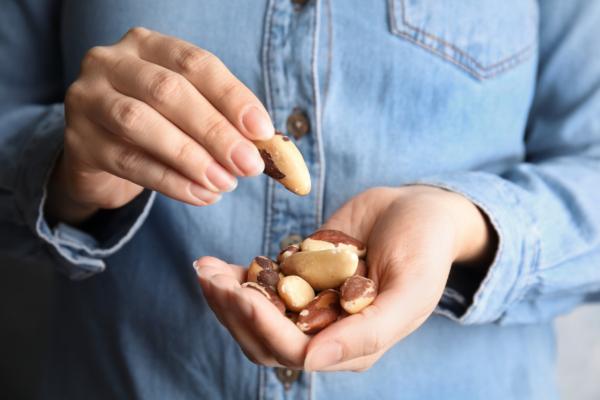
The richest source of selenium is the Brazil nut from the Amazon region (20). Whether the nut’s selenium content is sufficient to restore selenostasis, however, has been a source of contention in holistic medical communities.
One study of patients on hemodialysis with depressed selenium levels, however, revealed that consumption of one Brazil nut per day for three months significantly elevates both plasma and erythrocyte selenium levels (20). Not only that but the activity of the antioxidant enzyme glutathione peroxidase was significantly augmented after the Brazil nut intervention (20). The authors discuss the salience of these findings to public health:
“Recommendations to include as few as one Brazil nut per day in the diet would avoid the need for fortification of food supplements to improve their Se [selenium] status. Food sources are preferable to alternative supplementation practices because they are sustainable, less expensive, and present a lower risk of toxicity compared with supplementation.” (20)
In another three-month placebo-controlled trial conducted in New Zealand, subjects were randomized to receive two Brazil nuts per day, to provide approximately 100 micrograms of selenium, or an equivalent supplemental dose of selenomethionine (22). The Brazil nut intervention was found to increase plasma selenium, plasma glutathione peroxidase, and whole blood glutathione peroxidase, as well as the selenomethionine supplement (22). Therefore, these two studies highlight the utility of including Brazil nuts in the diet to confer selenostasis and boost antioxidant defense mechanisms.
In addition, according to the National Institutes of Health (NIH), seafood and organ meats are considered the richest food sources of selenium (23). For example, 3 ounces of halibut or sardines contain approximately 50 micrograms of selenium, but this is still less than the amount of selenium per serving contained in Brazil nuts by a factor of 10 (23). Other botanical sources of selenium include fennel, Chinese knotweed, mountain buchu, lady slipper, stevia, cramp bark, hawthorn, grapes, and thyme (USDA, 2016). Food-based approaches are preferable to supplemental, since selenosis, or selenium excess, can arise when selenium ingestion exceeds 400 micrograms per day, which has been shown to happen with misformulated supplements (24).
Myo-Inositol Is Critical to Thyroid Function
A recent novel approach undertaken by researchers is combining selenium with myo-inositol. Myo-inositol is one of the most representative inositol compounds and a precursor to the synthesis of phosphoinositides, which play a role in the phosphatidylinositol signal transduction pathway that occurs across the plasma membrane (4). In effect, myo-inositol acts as a calcium-mobilizing second messenger, overseeing the activity of hormonal signaling pathways such as follicle-stimulating hormone (FSH), insulin, and thyroid-stimulating hormone (TSH) (4). The binding of TSH to its receptor on the surface of the thyroid triggers two different post-receptor cascades, one of which is dependent upon inositol and regulates the iodination of thyroglobulin to form thyroid hormones (4).
Due to its role in thyroid signaling cascades, researchers set out to explore the effect of myo-inositol and selenium in patients with a mild form of thyroid failure called subclinical hypothyroidism, characterized by levels of TSH between 3 and 6 mIU/L (25). This TSH is considered suboptimal by new standards from the National Health and Nutrition Examination Survey (NHANES) III data, which consider normal TSH to fall under 4.12 mIU/L, and some researchers have proposed that the upper limit of TSH should be even lower at 2.5 to 3.0 mIU/L (7). Therefore, the population studied here is considered to be in the preliminary stages of waning thyroid function.
In this study, 86 Hashimoto’s thyroiditis patients with normal levels of free thyroxine (fT4) and free triiodothyronine (fT3), elevated serum antithyroid peroxidase (TPOAb), and/or anti-thyroglobulin (TgAb), and mildly elevated TSH were enrolled alongside one hyperthyroid patient with a TSH of approximately 0.14 μU/ml (4). All patients received oral supplements containing 600 milligrams of myo-inositol plus 83 micrograms of selenium in the form of L-selenomethionine for six months, taken on an empty stomach (4).
Selenium and Myo-Inositol Restore Euthyroid Status in Hashimoto’s Thyroiditis
Not only did thyroid autoantibodies significantly decrease posttreatment, but TSH effectively normalized, and serum-free T3 and free T4 levels increased slightly but significantly compared to baseline (4). Of note is that the combination of selenium and myo-inositol not only decreased thyroid peroxidase (TPO) antibodies but also decreased thyroglobulin (TG) antibodies, whereas selenium as the sole treatment only lowered TPO (4).
Paradoxically, the treatment had a normalizing effect on TSH regardless of pretreatment TSH value, as evidenced by the restoration of the TSH value into the normal range for the hyperthyroid patients (4). Therefore, myo-inositol functions in a fashion analogous to adaptogens, lowering TSH when it is too high and increasing it when it is too low (4). Subjective symptomatology also significantly improved, with patients reporting significantly increased quality of life after the combination intervention (4). Researchers theorize that myo-inositol is so effective, because “It can be speculated that impairment of the inositol-dependent TSH signaling pathway may be, at least in part, one cause of thyroid malfunctioning and that, by increasing the availability of Myo-Ins at cellular level, it is possible to improve TSH sensitivity of the thyroid follicular cell.” (4)
In their study, published in the International Journal of Endocrinology, Nordio and Basciani discuss that restoration of TSH signal transduction via myo-inositol is important since it modulates the release of thyroid hormones, promotes iodine uptake by the thyroid gland, saves thyrocytes from apoptosis, induces growth and differentiation of thyroid cells, and prevents the formation of thyroid carcinoma cells (4). Their concluding thoughts should impart hope to patients with Hashimoto’s:
“Therefore, the conclusion of our study is that the supplementation of Myo-Ins-Se is able to restore the euthyroid state as well as improve the well-being of Hashimoto’s patients with [subclinical hypothyroidism] … Bearing in mind also the safety of these two molecules’ usage, accentuated by the absence of side effects, the Myo-Ins-Se combination can be considered a very efficacious and safe therapy for AIT treatment.” (4)
These results were confirmed in an earlier randomized, double-blinded, placebo-controlled study in 48 women with Hashimoto’s thyroiditis who had TSH levels between 4.01 mIU/L and 9.99 mIU/L (2). Patients either received 83 micrograms of selenomethionine per day, or an equivalent dose of selenium plus 600 milligrams of myo-inositol for six months (2). In all patients receiving the combination treatment, ultrasound echogenicity was significantly improved, alongside significant decreases in TSH concentrations that did not occur in the group receiving selenium therapy alone (2). In this study, autoantibody titers significantly decreased in both groups (2).
Food Sources of Myo-Inositol
Obtaining nutrients from foods is the preferable approach due to their presence in a whole-food complex and because of the presence of synergistic components. Encouragingly, researchers have found high-myo-inositol diets to be ranked more palatable than diets low in myo-inositol, which demonstrates the ease of incorporating food-based sources myo-inositol sources (26).
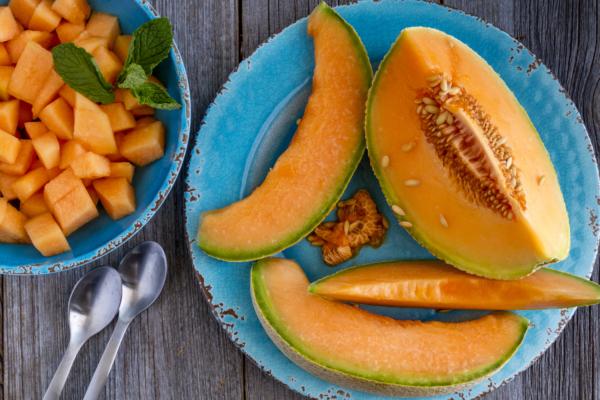
Fresh fruits and vegetables, in general, possess higher myo-inositol content than canned, frozen, processed, or salt-free products (26). Extraordinarily high amounts of myo-inositol are found in cantaloupe and citrus fruits such as oranges, grapefruit, and limes (26). Other fruit sources high in myo-inositol include blackberries, kiwis, nectarines, mangoes, prunes, cherries, peaches, pears, watermelon, apples, and carob fruit (26, 27).
Good vegetable sources of myo-inositol, on the other hand, include Brussels sprouts, lima beans, navy beans, green beans, artichokes, okra, eggplant, cabbage, asparagus, banana peppers, hubbard squash, collard greens, tomatoes, zucchini, and bell peppers (26). Compared to other grains, oats contained considerably higher levels of myo-inositol (26).
By maximizing foods with high myo-inositol content, research has shown that it is possible to achieve myo-inositol intakes of 1,500 milligrams per 1,800 calories ingested (26), which is more than double the dose needed for thyroid benefits according to the aforementioned studies. Moreover, research has elucidated that virtually all ingested myo-inositol is absorbed from the gastrointestinal tract, so bioavailability from foods appears to be high (26).
Therefore, by increasing the inclusion of these foods, alongside a holistic diet and lifestyle program and the food sources of selenium discussed, patients with Hashimoto’s thyroiditis can address elements underlying immune dysregulation that precipitate thyroid autoimmunity in the first place—and look forward to the prospect of permanent remission.
Republished from GreenMedInfo.com
◇ References
- Chandrashekara, S. (2012). The treatment strategies of autoimmune disease may need a different approach from conventional protocol: A review. Indian Journal of Pharmacology, 44(6), 665-671.
- Nordio, M., & Pajalich, R. (2013). Combined treatment with Myo-inositol and selenium ensures euthyroidism in subclinical hypothyroidism patients with autoimmune thyroiditis. Journal of Thyroid Research, 424163.
- Hu, S., & Rayman, M.P. (2017). Multiple Nutritional Factors and the Risk of Hashimoto’s Thyroiditis. Thyroid, 27(5), 597-610.
- Nordio, M., & Basciani, S. (2017). Treatment with Myo-Inositol and Selenium Ensures Euthyroidism in Patients with Autoimmune Thyroiditis. International Journal of Endocrinology.
- Sturniolo, G., & Mesa, J. (2013). Selenium supplementation and autoimmune thyroid diseases. Endocrinology & Nutrition, 60(8), 423-426.
- Vanderpump, M.P.J. et al. (1995) The incidence of thyroid disorders in the community: a twenty-year follow-up of the Whickam Survey. Clinical Endocrinology, 43, 55–68.
- Wartofsky, L., & Dickey, R.A. (2005). The evidence for a narrower thyrotropin reference range is compelling. Journal of Clinical Endocrinology & Metabolism, 90(9), 5428-5488.
- Costantini, A., & Pala, M.I. (2014). Thiamin and Hashimoto’s Thyroiditis: A Report of Three Cases. The Journal of Alternative and Complementary Medicine, 20(3), 208-2011.
- Cojocaru, M., Cojocaru, I.M., & Silosi, I. (2010). Multiple autoimmune syndrome. Maedica, 5(2), 132-134.
- Duntas, L., & Benvenga, S. (2015). Selenium: an element for life. Endocrine, 48(3), 756-775.
- Haug, A. et al. (2007). How to use the world’s scarce selenium resources efficiently to increase the selenium concentration in food. Microbial Ecology in Health and Disease, 19(4), 209-228.
- Ventura, M, Melo, M., & Carrilho, F. (2017). Selenium and Thyroid Disease: From Pathophysiology to Treatment. International Journal of Endocrinology, 1297658.
- Combs, G.F. Jr. (2001). Se in global food systems. British Journal of Nutrition, 85, 517-547.
- Kawai, M. et al. (2018). Thyroid hormone status in patients with severe selenium deficiency. Clinical Pediatric Endocrinology, 27(2), 67-74.
- Park, K. et al. (2011). Demographic and lifestyle factors and selenium levels in men and women in the U.S. Nutrition Research and Practice, 5(4), 357-364.
- Zagrodzki, P., & Kryczyk, J. (2014). The importance of selenium in Hashimoto’s disease. Postepy Hig Med Dosw (Online), 68, 1129-1137
- van Zuuren, E.J. et al. (2014). Selenium supplementation for Hashimoto’s Thyroiditis: Summary of a Cochrane Systematic Review. European Thyroid Journal, 3(1), 25-31. doi: 10.1159/000356040
- Negro, R. et al. (2007). The influence of selenium supplementation on postpartum thyroid status in pregnant women with thyroid peroxidase autoantibodies. The Journal of Clinical Endocrinology and Metabolism, 92(4), 1263–1268.
- Dharmasena, A. (2014). Selenium supplementation in thyroid associated ophthalmopathy: an update. International Journal of Ophthalmology, 7(2), 365–375.
- Stockler-Pinto, M.B. et al. (2010). Effect of Brazil nut supplementation on the blood levels of selenium and glutathione peroxidase in hemodialysis patients. Nutrition, 26(11-12), 1065-1069.
- Kohrle, J. et al. (2005). Selenium, the thyroid, and the endocrine system. Endocrine Reviews, 26(7), 944–984.
- Thomson, C.D. et al. (2008). Brazil nuts: an effective way to improve selenium status. American Journal of Clinical Nutrition, 87(2), 379-384.
- National Institutes of Health: Office of Dietary Supplements. (2018). Selenium: Fact Sheet for Health Professionals. Retrieved from https://ods.od.nih.gov/factsheets/Selenium-HealthProfessional/
- MacFarquhar, J.K. et al. (2010). Acute selenium toxicity associated with a dietary supplement. Archives of Internal Medicine, 170(3), 256-261.
- Fatourechi, V. (2009). Subclinical hypothyroidism: an update for primary care physicians. Mayo Clinic Proceedings, 84(1), 65–71.
- Clements, R.S. Jr., & Darnell, B. (2018). Myo-inositol content of common foods: development of a high-myo-inositol diet. The American Journal of Clinical Nutrition, 33, 1957-1967.
- United States Department of Agriculture, Agricultural Research Service. (1992-2016). Dr. Duke’s Phytochemical and Ethnobotanical Databases. Home Page, http://phytochem.nal.usda.gov/ http://dx.doi.org/10.15482/USDA.ADC/1239279