
Post-traumatic stress disorder (PTSD) occurs in 1 in 20 adults in the United States each year, with an estimated 6 percent of people being affected in their lifetime. While incidence rates are difficult to gauge, PTSD is reported at higher rates in women than in men (8 in 100 versus 4 in 100), primarily due to the types of traumas, like sexual assault, that women suffer compared to men. PTSD is also more common among veterans than civilians, with 7 percent of veterans experiencing it.
Part of the challenge of diagnosing PTSD is underreporting, leading to an overall underdiagnosis of the condition. In addition, if someone goes through a traumatic event (and about 70 percent of American adults experience at least one), it is not guaranteed they will develop PTSD. If PTSD does develop, it typically does so over time, also affecting reporting rates.
What Are the Types of PTSD?
While there aren’t distinguishable types of PTSD, the following two conditions are closely related to the disorder:
- Acute stress disorder (ASD): ASD is a shorter-term mental health condition that typically occurs within the first month of experiencing trauma, lasting at least three to 30 days. ASD typically presents with symptoms like anxiety, intense fear, flashbacks, nightmares, feelings of numbness, and avoidance of situations that may trigger reminders of the trauma. Some common types of traumatic events that may cause ASD include natural disasters, sexual and physical assault, verbal abuse, witnessing harm or death, serious accidents, sudden illness, injury, or war.
- Complex PTSD (CPTSD): This mental health condition can occur if someone experiences long-term trauma. Examples of types of traumatic events that may cause CPTSD are long-term abuse or domestic violence, human or sex trafficking, war, or frequent violence in one’s community.
What Are the Symptoms and Early Signs of PTSD?
PTSD can manifest in many different ways. To receive a diagnosis, symptoms must be present for at least one month, cause distress, and impede one’s ability to function on a daily basis. Symptoms may begin within a month of the traumatic event or years later.
Common symptoms of PTSD are classified into the following four categories:
1. Intrusive Thoughts
- Recurrent, upsetting memories of the trauma.
- Reliving the event through flashbacks.
- Nightmares.
- Adverse emotional or physical reactions to things that remind you of the event.
2. Avoidance
- Avoidance of situations that may trigger reminders of the trauma.
- Avoidance of thinking about the event.
- Avoidance of talking about the event.
3. Cognitive or Mood-Based Symptoms
- Hopelessness.
- Memory loss.
- Ongoing distorted thoughts about yourself or the world.
- Feelings of detachment.
- Loss of interest in things you previously enjoyed.
- Feeling numb.
- Difficulty feeling positive emotions.
4. Reactional Changes
- Easily frightened.
- Easily angered or experiencing rageful outbursts.
- Reckless behavior.
- Hypervigilance.
- Difficulty sleeping.
- Difficulty concentrating.
- Intense feelings of guilt or shame.
What Causes PTSD?
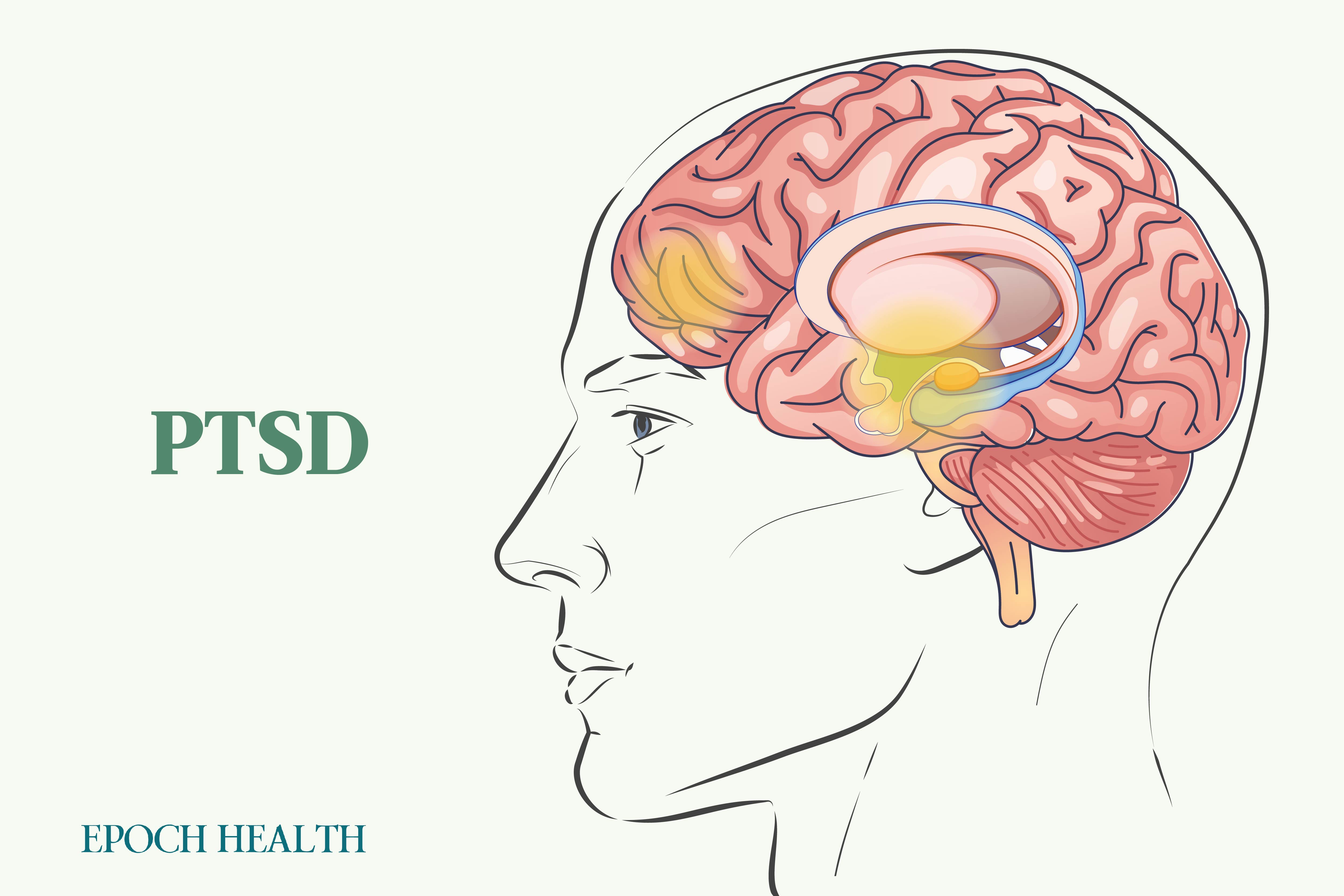
While the exact mechanism behind why PTSD develops after a person experiences a traumatic event is not well understood, it is generally believed to be caused by a combination of genetics, neurobiology, and other personal traits and experiences. Some experts theorize that symptoms may persist as a way of the body trying to help you survive future crises. For instance, symptoms such as flashbacks or hypervigilance may be the brain’s way of protecting an individual from experiencing further traumas. Additionally, some brain scans of people with PTSD show that the hippocampus, the structure responsible for memory and emotion, tends to be smaller in those with PTSD. This may be because experiencing symptoms of PTSD may shrink the brain as a protective mechanism to shield it from the traumatic memory.


In addition, the amygdala (responsible for processing emotions and fear) seems to be overactive in people with PTSD, changing the brain’s overall neurophysiology.
Research indicates that those who experience PTSD have altered neurotransmitter and neurohormonal functioning. PTSD affects cortisol levels and elevates corticotropin-releasing factor (CRF), the neuropeptide responsible for releasing the neurotransmitter norepinephrine. Despite their ongoing distress, people with PTSD appear to have normal or lower levels of cortisol, the stress hormone. However, they have higher levels of CRF, which, by stimulating the release of norepinephrine, can lead to the hypothalamus triggering “fight-or-flight” responses like higher heart rate, blood pressure, and likelihood of becoming startled. In addition, lower levels of the main inhibitory neurotransmitter gamma-aminobutyric acid (GABA) can lead to increased feelings of dissociation and/or derealization.

In PTSD, the amygdala is overactive and prompts the hypothalamus to produce hormones like norepinephrine to address potential threats. The prefrontal cortex is then supposed to tell the rest of the body that the danger has passed, but in PTSD, it fails to do this effectively, keeping the body in a state of hypervigilance. Illustrations by Shutterstock, The Epoch Times
Many instances of trauma can trigger an individual to develop PTSD. Some of these include:
- Serious accidents, like car accidents or those resulting in injury.
- Physical or sexual assault.
- Childhood or domestic abuse.
- Significant health problems.
- Death of a close family member or friend.
- War.
- Torture.
Who Is at Risk of PTSD?
While anyone can develop PTSD if they experience or perceive the threat of a traumatic event, some populations are at greater risk.
Some of the factors that increase one’s likelihood of developing PTSD include:
- Genetics: Some research indicates that those with a hereditary history of psychiatric disorders are at a greater likelihood of developing PTSD. While more research is needed in this area, preliminary findings suggest that subsets of genes responsible for neuroendocrine functioning are heritable. This indicates that if mental health conditions run in your family and you experience a traumatic event, it is worthwhile to take additional measures to seek proactive treatment to prevent PTSD development.
- Sex: Women are more likely to develop PTSD than men. While trauma and PTSD can occur in anyone at any age, one study indicated that men are most heavily affected in their early 40s and women in their early 50s, according to data gathered from the Harvard Trauma Questionnaire. Of note, women had a two- to nearly three-fold prevalence of PTSD across all age groups. Women represent almost 75 percent of young adults 21 to 25 years old with PTSD. This is speculated to be due to report bias, gender roles, and emotional vulnerability, as women are more likely to report and seek help for this condition than men.
- Race: Some research, such as a 2014 paper published in Behavioral Sciences, indicates rates of PTSD may be higher among African Americans than those of European descent. Traumas related to racism may contribute to this, the paper’s authors wrote.
- Mental health disorders: Having a history of other mental health conditions like anxiety or depression increases one’s risk of developing PTSD.
- Personality traits: Certain traits like poor coping abilities, temperament, poor resilience to stress, cognitive patterns, and responses to the memory of adverse events can increase one’s risk for PTSD. Neuroticism, especially, appears to be a predictor of long-term PTSD.
- Lack of support system: People with a weak support system or lacking mental health resources may be at a greater risk of developing PTSD.
- Traumatic occupations: People who work in dangerous situations, such as veterans of war or people who work in jails or within unsafe environments, are at a higher risk of experiencing PTSD.
How Is PTSD Diagnosed?
An adult must have the following symptoms for at least one month to be diagnosed with PTSD:
- Relive or flashback to the event at least once.
- One or more avoidance symptoms.
- At least two reactional changes.
- Two or more cognition or mood-based symptoms.
PTSD diagnosis may start with a self-screening questionnaire, or a clinician may ask the screening questions. The result guides whether further assessment is needed. The PTSD diagnosis process typically includes the following:
- Answering questions about the traumatic event experienced.
- An in-depth assessment that can take 15 minutes to two hours of the traumatic events that unfolded and the difficulties experienced around these events.
- Completion of surveys with questions around general thoughts and feelings.
- Questioning family or friends who may provide insight into observed behaviors.
What Are the Complications of PTSD?
PTSD can spawn several possible complications, with areas most affected being the neurological system and one’s quality of life.
Some of the more common complications include:
- Substance abuse issues.
- Anxiety, depression, or other mental disorders.
- Eating disorders.
- Suicidal ideation or behavior.
- Fibromyalgia, or chronic, widespread pain.
In military family units in which people are living with veterans experiencing PTSD, unique cycles of stress and symptom presentation may come and go and strain the family unit. If you or someone you know is experiencing familial hardship due to living with a veteran experiencing PTSD, consult your local resources and health care providers to promote healing and understanding.
Someone experiencing PTSD may also have increased difficulty building and maintaining relationships in general. Symptoms of PTSD can make it more difficult for individuals to trust others, communicate, and solve problems within their relationships, often leading to emotional distance.
What Are the Treatments for PTSD?
Treatments for PTSD will vary based on an individual’s symptoms and their prevalence and severity. Common treatments, such as the following, involve therapeutic modalities aimed at helping individuals move past their trauma to heal:
- Cognitive behavioral therapy (CBT): CBT focuses on the relationship to one’s trauma in the context of one’s thoughts, feelings, and behaviors. It is aimed at helping people move through trauma by targeting the problems and symptoms through behavioral change. CBT aims to improve one avenue of thoughts and behaviors, thereby improving functioning in other related avenues. Under the umbrella of CBT, prolonged exposure tactics may be used in which individuals are taught how to approach trauma-related memories and learn tactics to cope with exposure to these memories without sending the body into a state of fight-or-flight. CBT is typically administered in a series of many sessions over several weeks.
- Prolonged exposure therapy (PE): Prolonged exposure therapy is a type of CBT that teaches patients to gradually confront their fears regarding their trauma-related memories, feelings, and situations. It usually includes three months of weekly sessions lasting between 60 and 120 minutes. PE typically starts with the patient describing the event in detail with guidance from the therapist. Eventually, the patient is assigned homework that involves confronting agreed-upon fear stimuli outside of therapy and learning how to cope with the feelings that arise.
- Cognitive processing therapy (CPT): This type of therapy focuses on helping people learn how to modify and challenge unhelpful beliefs related to the trauma they experienced. This process aims to help people modify beliefs that hinder their ability to function. CPT is also typically administered in a series of many sessions over several weeks.
- Brief eclectic psychotherapy (BEP): This therapy addresses feelings of shame and guilt. It is typically administered as a series of 16 sessions, with each session having one objective. This intervention is more tailored toward those who have experienced a single trauma.
- Eye movement desensitization and reprocessing (EMDR) therapy: EMDR therapy encourages people to briefly focus on the trauma while experiencing eye movement-based stimulation. The goal of EMDR is to reduce the detailed recall and emotions experienced with traumatic memories. This therapy is typically administered once or twice per week over a series of many weeks.
- Medication: Medications, including sertraline, paroxetine, fluoxetine, and venlafaxine, may be prescribed to aid in symptom management. Sertraline and paroxetine are approved by the U.S. Food and Drug Administration (FDA) for the treatment of PTSD.
- Psychedelics: Psychedelics, such as LSD, psilocybin (mushrooms), ketamine, MDMA, cannabinoids, peyote, and DMT, have come into the spotlight in recent years for their potential therapeutic roles in treating PTSD and other mental disorders like depression. While psychotherapy is considered the first-line treatment for PTSD, it isn’t enough for 40 percent to 60 percent of patients. Psychotherapy requires patients to confront challenging emotions when processing their traumas, and some experts believe integrating certain psychoactive substances into a patient’s treatment plan may promote and ease healing.
How Does Mindset Affect PTSD?
While research on this subject is limited, some indicates how a positive mindset can benefit sufferers of PTSD.
Some research demonstrates the power of compassion-based meditation practices for veterans with PTSD. This type of meditation focuses on CBT techniques to help support veterans with PTSD over a series of sessions. This research showed that participants had an improved mindset, resulting in an alleviation of symptoms associated with PTSD and depressive rates at large. These improvements were thought to be due to the increased positive emotion this regular meditation practice provided. Increased feelings of peace and calm were associated with this practice.
One meta-analysis examining mindfulness practices to aid in the reduction of PTSD symptoms also echoed these positive correlations, showing that improvements in mindset and being present help mitigate symptoms associated with PTSD. With improvements in mental state, people have a greater capacity to buffer the negative effect of the traumatic event through a more nonjudgmental, reflective lens.
While a PTSD diagnosis may feel jarring or evoke worry around the stigma associated with a diagnosis, enlisting the right team of qualified health care practitioners, including doctors and therapists, is essential. Considering support groups and other ways to surround yourself with individuals who have had similar experiences can be an empowering step, as well.
What Are the Natural Approaches to PTSD?
One can take several natural approaches to help mitigate symptoms associated with PTSD. While further research is needed regarding such approaches, there seem to be some initial positive findings regarding the following complementary and alternative therapies:
- Repetitive transcranial magnetic stimulation (rTMS): This noninvasive technique stimulates cortical neurons that may positively affect neurotransmitters and cortisol levels, reducing the severity of PTSD.
- Acupuncture: Acupuncture can help reduce PTSD symptoms by relaxing the autonomic nervous system.
- Meditation: Practicing meditation helps bring increased levels of self-observation and decreased levels of depression, anxiety, suicidal ideation, or sleep disturbance. Loving-kindness meditation, especially, has been shown to reduce depression and other PTSD symptoms by encouraging one to foster self-compassion and mindfulness.
- Hypnotherapy: This method aids in symptom reduction by changing one’s sensations, perceptions, cognition, mood, and behaviors. Hypnotherapy may also help people with PTSD downregulate their autonomic nervous system, increasing the likelihood of receptiveness.
- Visualization: Visualization techniques provide guided imagery to lead a person through experiences that allow them to access the physical, emotional, and spiritual dimensions more effectively, reducing PTSD severity.
- Botanicals: According to the Association of Accredited Naturopathic Medical Colleges (AANMC), herbal supplement formulas containing eleuthero, wild yam, licorice, Schisandra, oats, Holy Basil, and/or Rhodiola rosea may be worth investigating.
How Can I Prevent PTSD?
There is no way to assuredly prevent PTSD, as one cannot predict traumatic events that may happen over one’s lifetime. However, there are ways to bolster your defenses against developing lasting PTSD should a triggering event occur.
Some of the best ways to reduce your risk have to do with the awareness of how to handle and process trauma, including:
- Securing support: Having a support system with regular contact and check-ins with people whom you trust can reduce one’s risk of developing PTSD. Surrounding yourself with a community of people who have gone through a similar life experience or trauma can be a therapeutic outlet.
- Communicating: Those who can talk about their trauma with health care professionals and loved ones have a better chance of working through the hardships associated with the trauma.
- Cultivating a positive self-image and perspective: When reflecting on the trauma, aiming to remain positive to the best of one’s ability can be very helpful. Identifying oneself as a survivor rather than a victim can be a valuable way to reframe your perspective.
- Remaining hopeful: Holding onto the belief that you can heal and manage your feelings around dealing with the trauma can aid you in reducing the risk of developing the disorder.