What Are the Symptoms and Early Signs of Giardiasis?
The symptoms of giardiasis are varied. This illness is most often acute, developing over three weeks. Symptoms may depend on the state of the person’s immune system, age, nutritional status, or the existence of other GI infections. Common symptoms of giardiasis include:- Diarrhea
- Malabsorption
- Bloating
- Abdominal pain
- Fatigue
- Weight loss
What Causes Giardiasis?
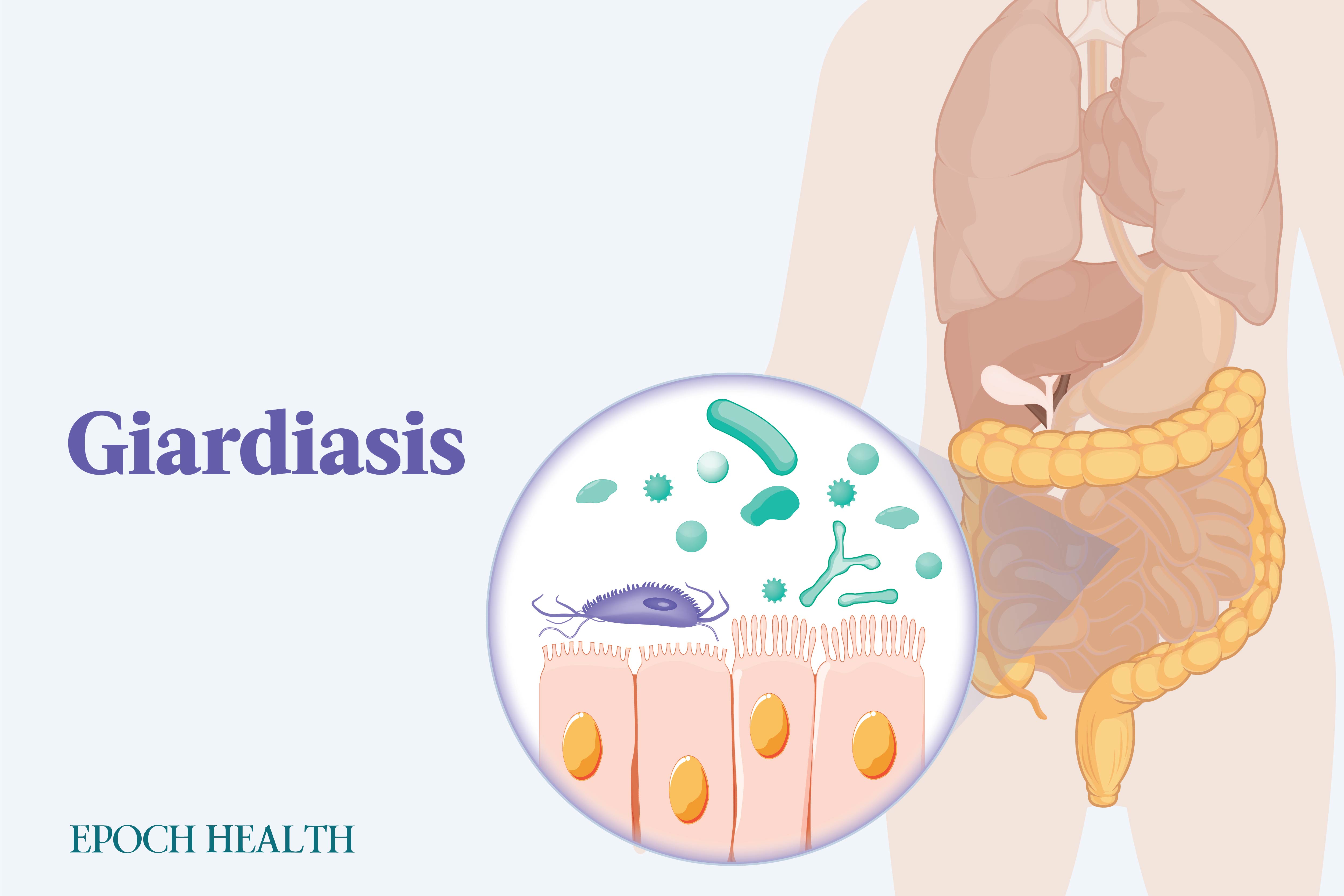
Giardiasis is acquired through a fecal-oral route. The parasite Giardia creates cysts that are excreted in feces. Cysts are infectious as soon as they are excreted. They can survive on surfaces, fruits, vegetables, and water for weeks to months. Ingestion of Giardia cysts results in giardiasis.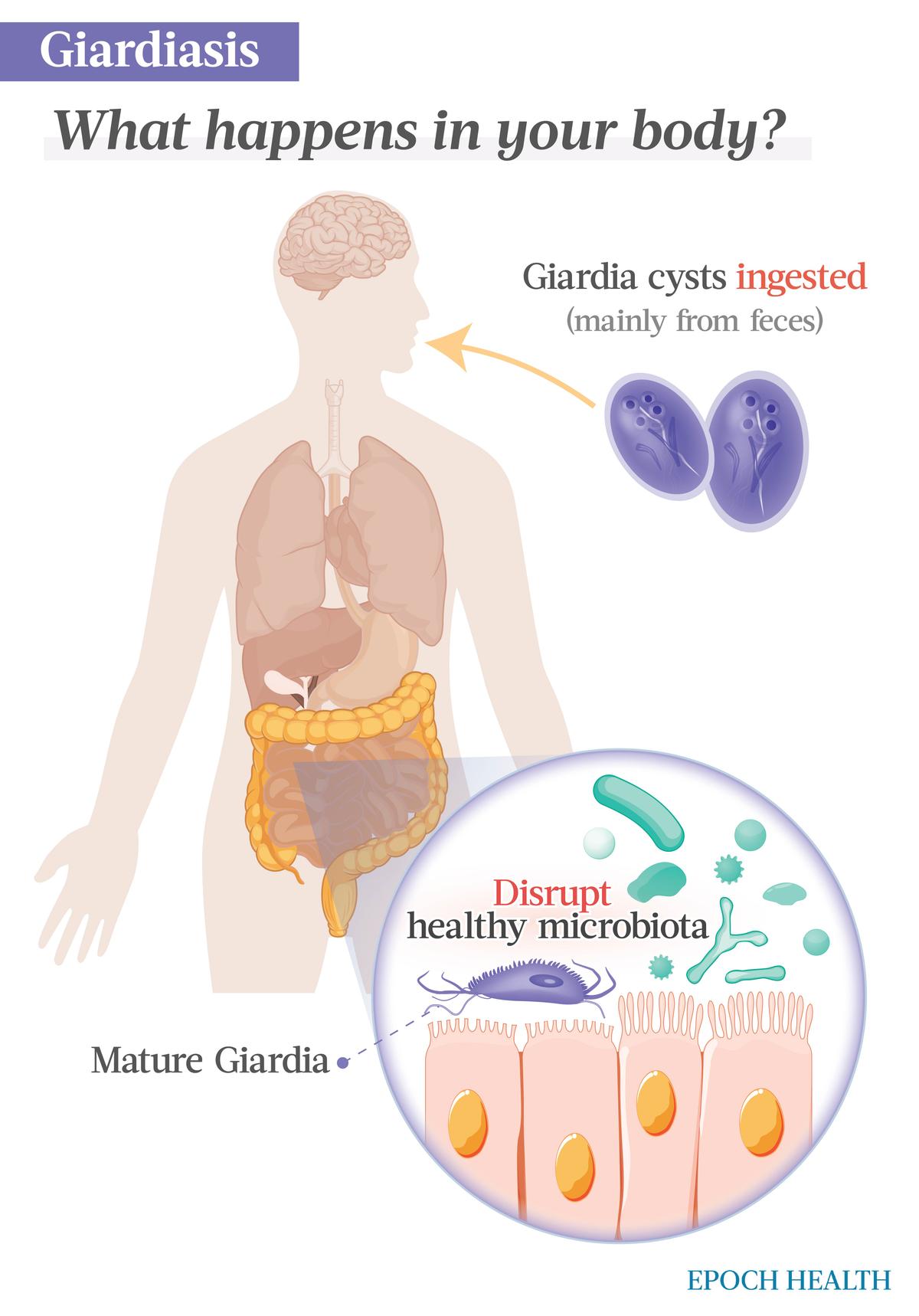
Where Can I Get Infected?
This waterborne pathogen does not survive well in the water systems of developed countries. However, modern challenges create the chance of infection in these areas. These include aging infrastructure, chlorine-tolerant and biofilm-related pathogens, and recreational water use.It’s possible to get giardiasis from drinking water. For example, aged pipes in a building or water from a private well may contain the parasite.
Who Is More Likely to Develop Giardiasis?
Awareness of giardiasis risk factors can help prevent the parasite’s spread. People most at risk are:- Young children or infants
- International travelers
- Hikers who drink water from a river, lake, stream, or spring
- People who swim in natural bodies of water
- People who engage in anal sex
- Caregivers who come in contact with diapers or children wearing diapers
- People taking antibiotics
- People with a chronic GI condition, such as Crohn’s disease, irritable bowel syndrome (IBS), and celiac disease
What Are the Tests to Detect Giardiasis?
If you have symptoms of giardiasis and visit a health care provider, be prepared to provide as much information as possible. The provider may need a history of symptoms for a diagnosis if stool samples are negative for giardiasis. Without a Giardia-positive stool sample, a record of your stools and diet may help determine a diagnosis.Giardiasis May Be Missed
Giardiasis can sometimes be missed. An infection may be misdiagnosed because its symptoms are similar to other GI infections, such as IBS or lactose intolerance.When testing for giardiasis, you may be asked for several stool samples. Giardia cysts are not excreted out of every stool. Unless cysts are present in the sample, a diagnosis of giardiasis can’t be confirmed.
If the diagnosis is still strongly suspected, a fluid sample is sometimes obtained from the first portion of the small intestine (the duodenum) via an upper endoscopy. These samples are called duodenal aspirate cultures.
What Are the Complications of Giardiasis?
Giardiasis can have lasting effects on a person’s GI system. The effects can be different for adults and children. According to the WJG review, some long-term consequences for adults include:- Eye conditions
- Anorexia and poor nutritional status
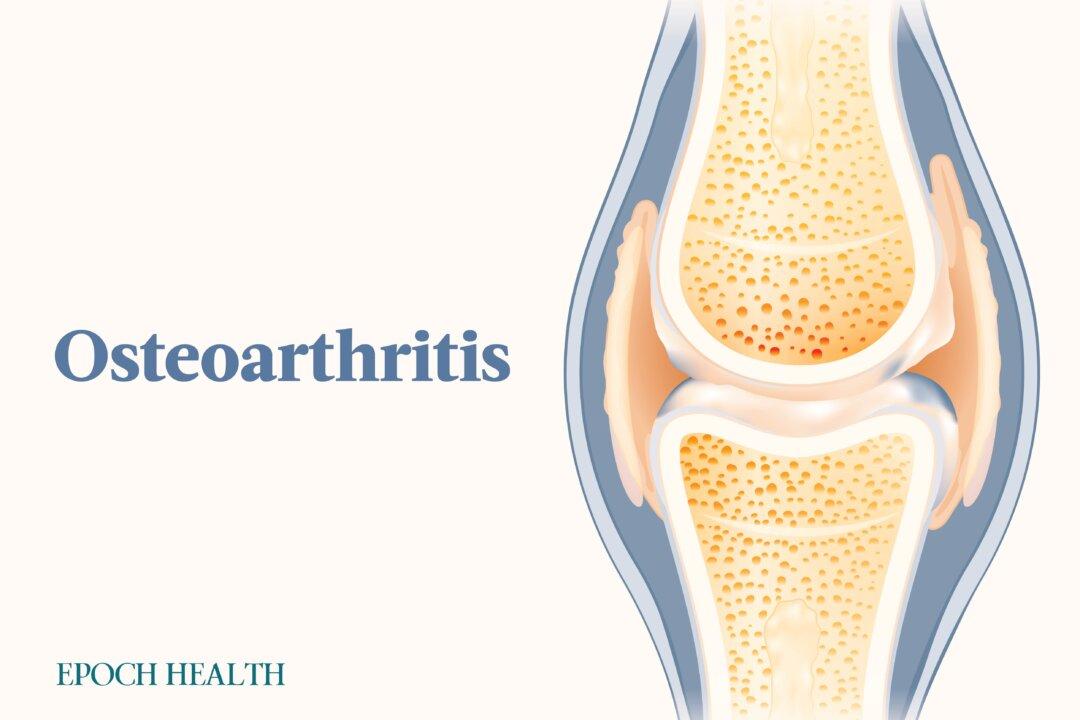
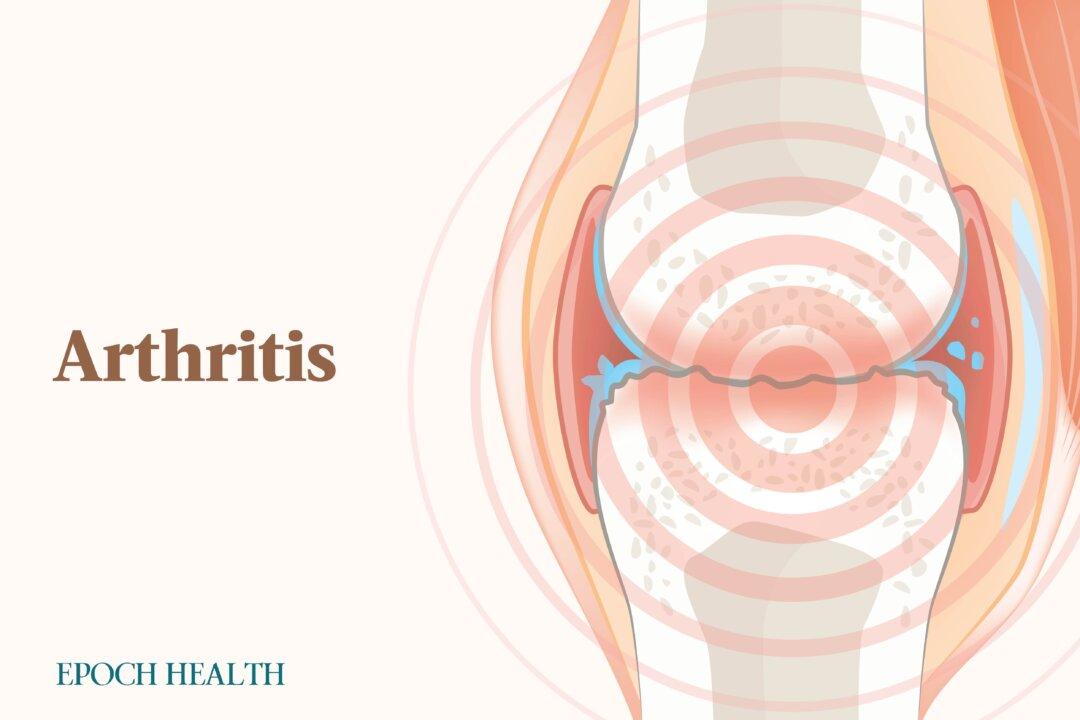
- Inflammatory arthritis
- Myopathy
- Hives
- Chronic fatigue syndrome (CFS)
- Post-infection IBS
- Functional dyspepsia (impaired digestion)
Eye Conditions
In some cases, giardiasis has caused iridocyclitis—inflammation of the iris and eye muscles. It may also cause choroiditis, which is retina inflammation, and choroid and retinal hemorrhage.Arthritis
Arthritis may occur post-infection, according to the WJG review. It generally appears two to four weeks after giardiasis has been cleared. Though rates of arthritis are relatively low, when arthritis does occur, it can be present in the limbs, knees, and ankles.Myopathy
Myopathy is weakness and dysfunction of the muscles. Myopathy can occur when there are low levels of potassium in the body. Diarrhea can decrease the amount of potassium in the body. For this reason, the WJG review posits that the prevalence of myopathy in people with giardiasis is relative to their number of bouts of diarrhea. Myopathy rarely occurs, but when it does, it most often happens in older people and women.Lasting Effects on Children
Giardiasis can leave lasting effects on children differently than on adults. These may be:- Iron deficiency
- Micronutrient deficiencies
- Protein-energy malnutrition
- Cognitive deficiencies
- Failure to thrive
What Are the Treatments for Giardiasis?
Giardiasis is treatable but can become chronic. It is most often treated with pharmaceuticals. The infection generally clears within two to three weeks when treated this way.Medications
While giardiasis is most successfully treated with pharmaceuticals, it should be noted that there has been an increase in parasite drug resistance. If your symptoms are severe, your doctor might prescribe an antiparasitic antibiotic to kill the parasite.- Nausea
- Fatigue
- Malaise
- Vomiting
- Weakness
- Headaches
How Does Mindset Affect Giardiasis?
Giardiasis is generally easy to treat. However, symptoms can become overwhelming when prolonged, and giardiasis becomes chronic. This prolonged experience with symptoms can impact a person’s quality of life and lead to feelings of despair.What Are the Natural Approaches to Giardiasis?
More research should be done on treating giardiasis with herbal or natural remedies. The general approach is to use nutrition and plants or herbs in combination for intervention.Nutritional approaches are used to address the acute symptoms of giardiasis. Eating whole foods, foods high in fiber and low in fat, and avoiding foods high in lactose and refined sugar may minimize symptoms. Introducing probiotics and wheat germ into your diet may also help eliminate the parasite.
How Can I Prevent Giardiasis?
The best way to prevent giardiasis is with behavior modification. Be sure to:- Wash your hands after touching a child in diapers or shaking another person’s hand.
- Wash after swimming in a natural or manmade body of water.
- Wash after swimming in a water park or other water entertainment facility.
- Avoid swimming in suspect bodies of stagnant water, such as gravel pits.
- Bring and use hand sanitizer.
- Drink bottled water or boil water from the tap before you drink or cook with it.
- Eat only food that is washed and cooked thoroughly.