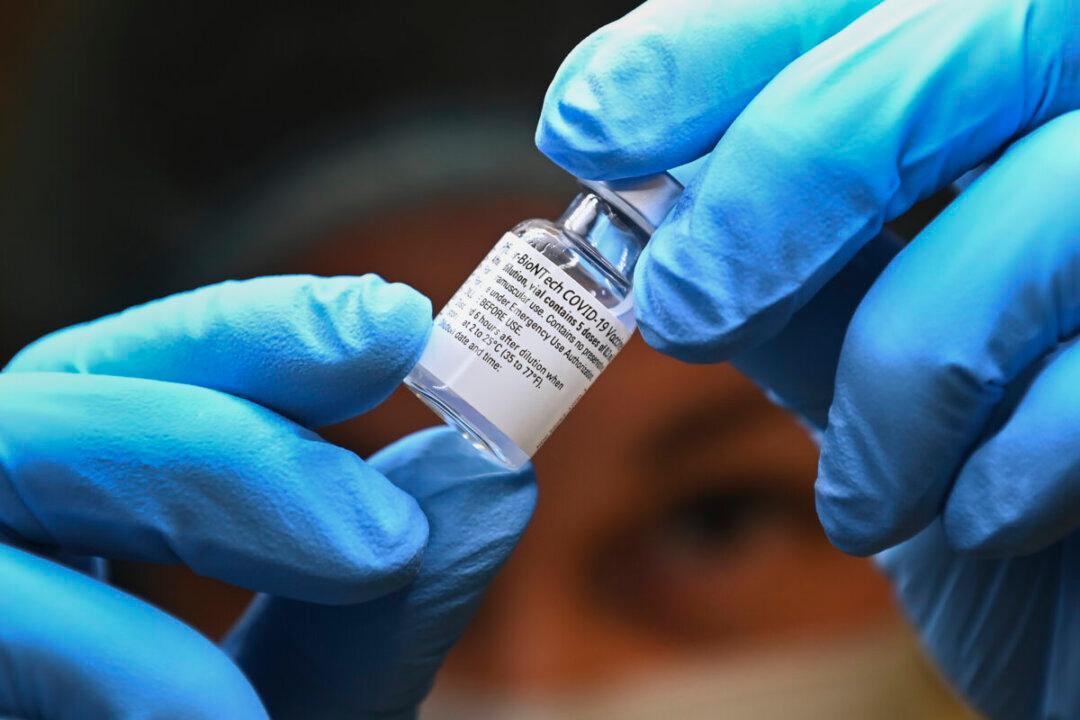
One of the toughest questions I had on my interview with Joe Rogan in 2021 was “Dr. McCullough, if the COVID-19 vaccines are so bad, how come everybody doesn’t die after taking them?” While as naïve and ridiculous as it sounds, its a good question and brings up the goal of epidemiology: to study of the distribution and determinants of disease. Roughly 15% of vaccine recipients develop a health problem after taking a COVID-19 vaccine (Zogby, 2022) based on the lot number (proxy for mRNA quantity or contaminants), susceptibility, and pre-existing disease (e.g. inherited blood clotting disorder). No young person should be hospitalized after taking a COVID-19 vaccine since that outcome far outweighs any theoretical benefit of the injections.
Massachusetts General Hospital, Harvard School of Medicine, had 13 young boys and 3 girls hospitalized with myocarditis and available for study. Yonker et al found all the subjects had large quantities of free circulating Spike protein generated from the vaccines while control subjects without myocarditis did not.