A Patient’s Breakthrough
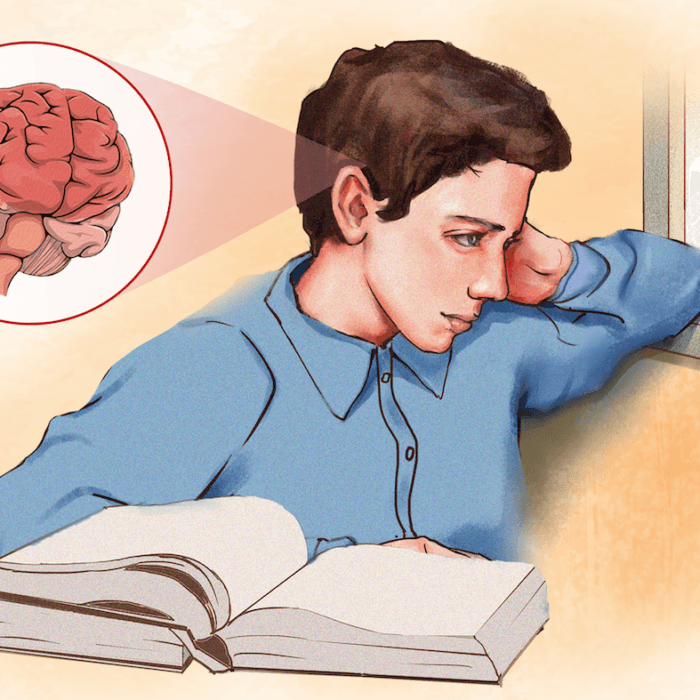
Marcus was 9 years old and had been diagnosed with ADHD. His parents were hesitant about relying on lifelong medication and wanted to know what other “levers,” meaning lifestyle and environmental factors, they could adjust to support his brain health. Marcus was eating a fairly typical kid’s diet: some processed snacks, occasional sugary drinks, and brightly colored cereals.Over the course of a month, we focused on pulling several of those levers, which included removing artificial dyes and added sugars, improving the quality of Marcus’s meals by adding more protein and fiber, and supporting his gut health. Within weeks, his parents noticed dramatic changes: fewer outbursts, better focus during homework, and an overall calmer mood. Under medical supervision, his stimulant dose of medication was gradually lowered. His ADHD wasn’t cured, but his body became more responsive to smaller doses of medication and side effects decreased significantly.
Why Food Can Affect Focus
Food influences far more than physical health; it shapes mood, attention, and even how a child’s brain processes information. Nutrition affects the brain through multiple, interconnected pathways, from blood sugar stability to nutrient availability and gut health. Understanding these systems helps explain why some children’s attention and behavior improve dramatically with targeted dietary and lifestyle changes.Blood Sugar and Neurotransmitters
The brain runs on a steady supply of glucose, and when the balance swings too widely, changes in behavior often follow. Rapid spikes and crashes in blood sugar can trigger irritability, impulsivity, and poor attention, symptoms that can easily mimic or worsen ADHD. These fluctuations also affect neurotransmitters such as dopamine and norepinephrine, which are key to focus and emotional regulation.Nutrient Deficiencies
Certain nutrients are deeply intertwined with brain chemistry. Zinc and magnesium serve as cofactors in neurotransmitter metabolic pathways, influencing how dopamine and serotonin are produced and regulated. Iron, particularly in the brain, supports dopaminergic activity and neural development. Low iron levels have been linked to smaller regional brain volumes, including the left hippocampus, an area important for learning and memory. Vitamins B9 (folate) and B12 are essential for healthy nervous system development and function, while omega-3 fatty acids help stabilize neuronal membranes and reduce neuroinflammation.Gut Microbiome and Inflammation
The gut-brain axis has become one of the most intriguing and rapidly evolving areas in ADHD research. The gut’s microbial community influences everything from neurotransmitter production to immune signaling, and when that balance is disturbed, the brain often feels it. Altered gut microbiota can promote neuroinflammation, disrupt the regulation of key neurotransmitters such as dopamine and serotonin, and, in turn, affect attention, mood, and behavior.
Alternatives to Medication
In mild to moderate cases of ADHD, when symptoms are tolerable and not severely impairing, the goal isn’t necessarily to reject medication; rather, it’s to optimize the internal environment so that medication can work more effectively at a lower dose or may not be needed at all. Supporting brain health through diet and lifestyle often improves overall regulation and can reduce symptom intensity. Here are a few foundational strategies:Eliminate or Reduce Artificial Dyes and Additives
For children whose behavior seems to worsen after eating processed foods or synthetic dyes such as Red No. 40 and Yellow No. 5 or No. 6, try removing these ingredients for several weeks while carefully tracking behavior. Parents can look for signs such as fewer emotional outbursts, better sleep, improved focus, or less restlessness. These changes can be subtle at first, but over time, many families notice clear differences in attention and regulation.Stabilize Blood Sugar
Maintaining balanced blood sugar levels throughout the day supports more consistent energy and focus. Meals should include a balance of protein, fiber, and healthy fats, which help slow glucose absorption and prevent energy crashes that can mimic ADHD symptoms.Limit sugary drinks, sweetened snacks, and refined carbohydrates, which can cause sharp spikes and drops in blood sugar. For some children, offering small “mini-meals” or protein-based snacks every few hours can help keep mood and concentration steady between meals.
Optimize Nutrients
Nutrient optimization is one of the most evidence-supported yet underused approaches to promote focus and emotional regulation in children with ADHD. Lab testing can help identify deficiencies in iron, zinc, magnesium, vitamin D, B12, and folate, all of which play key roles in neurotransmitter synthesis, brain energy metabolism, and dopamine regulation. For instance, iron deficiency has been associated with altered dopamine activity and smaller brain volumes in regions linked to attention, while zinc and magnesium are essential cofactors in neurotransmitter pathways that influence impulse control and mood stability.Support Gut Health
Emerging research underscores the role of the gut-brain axis in regulating attention and emotional balance. The gut microbiome influences inflammation, nutrient absorption, and even neurotransmitter production. To support gut health, families can focus on adding prebiotic-rich foods such as onions, garlic, oats, and bananas, which feed beneficial bacteria.At the same time, minimizing processed foods, artificial additives, and excess sugar helps reduce microbiome disruption. Improving microbial diversity through diet and probiotics could have measurable benefits for children with ADHD, although results vary by individual.
Focus on Movement, Sleep, and Stress Regulation
Physical movement, restorative sleep, and stress management form the behavioral backbone of ADHD care. Regular aerobic exercise such as running, biking, or swimming has been shown in multiple studies to improve executive function, working memory, and attention span by enhancing blood flow and dopamine signaling in the brain.Where Lifestyle Shifts Could Take Us
ADHD is not caused by a bad diet. It is a complex, multifactorial condition with strong genetic underpinnings and diverse biological pathways. Factors such as food quality, gut health, and nutrient status are modifiable levers; they don’t act alone, yet they can amplify or buffer the expression of symptoms. These aspects influence inflammation, neurotransmitter balance, and even how effectively the brain responds to medication or therapy.If lifestyle measures aren’t enough on their own, medication, whether stimulant or non-stimulant, remains an appropriate and often effective tool. The goal isn’t to avoid pharmaceuticals altogether but to use the lowest effective dose within a broader framework of support. Medication deserves respect, but not monopoly.
Marcus’s story illustrates what many families have experienced: Dietary and lifestyle changes can meaningfully shift symptom intensity and enhance medication responsiveness. Although more randomized controlled trials are needed, existing research already supports integrating nutrition, movement, and sleep optimization into ADHD care. These are not fringe ideas; they are evidence-based strategies that improve regulation, resilience, and quality of life.
For families and clinicians, the message is simple. Start with the foundational systems: food, sleep, movement, and gut health. None of these alone will cure ADHD, but together they strengthen the biological framework that supports focus and emotional balance. In many children, an integrated approach can lessen the need for medication, reduce side effects, and improve long-term outcomes in a sustainable way.