For over a hundred years medical researchers have promoted the theory that salt consumption is a primary driver of high blood pressure and leads to cardiovascular deaths.
Some have even called salt “the single deadliest ingredient in your pantry.” And most conventional doctors still insist that cutting salt in the diet lowers blood pressure and saves lives.
The authors of this study from Saint Luke’s Mid America Heart Institute in Kansas City, and Montefiore Medical Center in New York, call the benefits of cutting sodium “debatable.” And in fact, the link between salt and heart disease is shaky.
Restricting salt actually reduces blood pressure very little on average. And in a 2011 meta-analysis the respected Cochrane Collaboration found that moderate reductions in salt don’t reduce the likelihood of dying or developing cardiovascular disease.
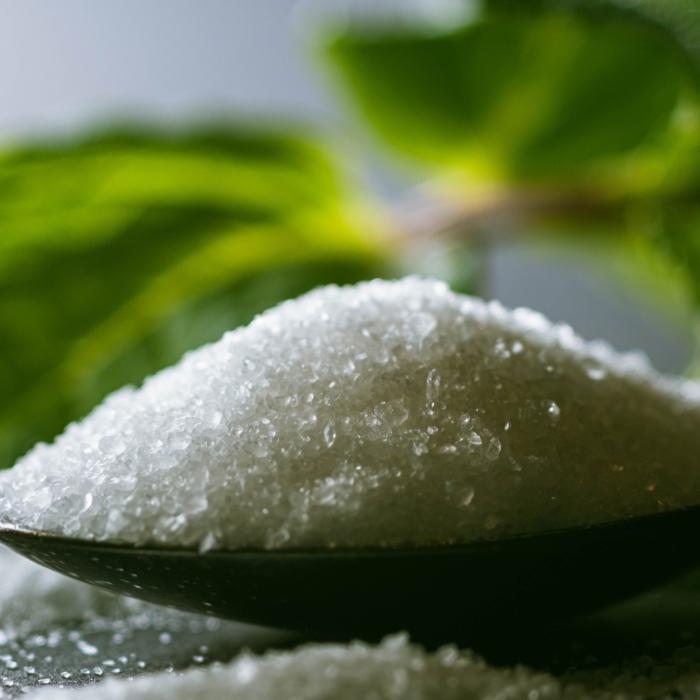
In this study, the authors pointed out that most dietary salt comes from processed foods. That also happens to be the biggest source of added sugars.
Drawing on evidence from basic science, population studies and clinical trials, the authors found that sugar had a greater effect on blood pressure. And they found that fructose played a major role in the development of hypertension.
And today about 13% of Americans consume at least 25% of their total calories as added sugars.
And yet the Institute of Medicine guidelines still bless a diet consisting of 25% added sugars.
When that sugar is fructose it raises blood pressure significantly. Consuming more than 74 grams of fructose per day results in a 77% increased risk of blood pressure above 160/100 mm Hg.
The researchers emphasize that processed foods are the problem. But naturally-occurring sugars found in fruit and vegetables are not harmful.
So when it comes to blood pressure and heart disease, avoiding processed foods is the first step to lowering your risk. When choosing sweeteners use moderate amounts of natural sweeteners like honey, and maple syrup.