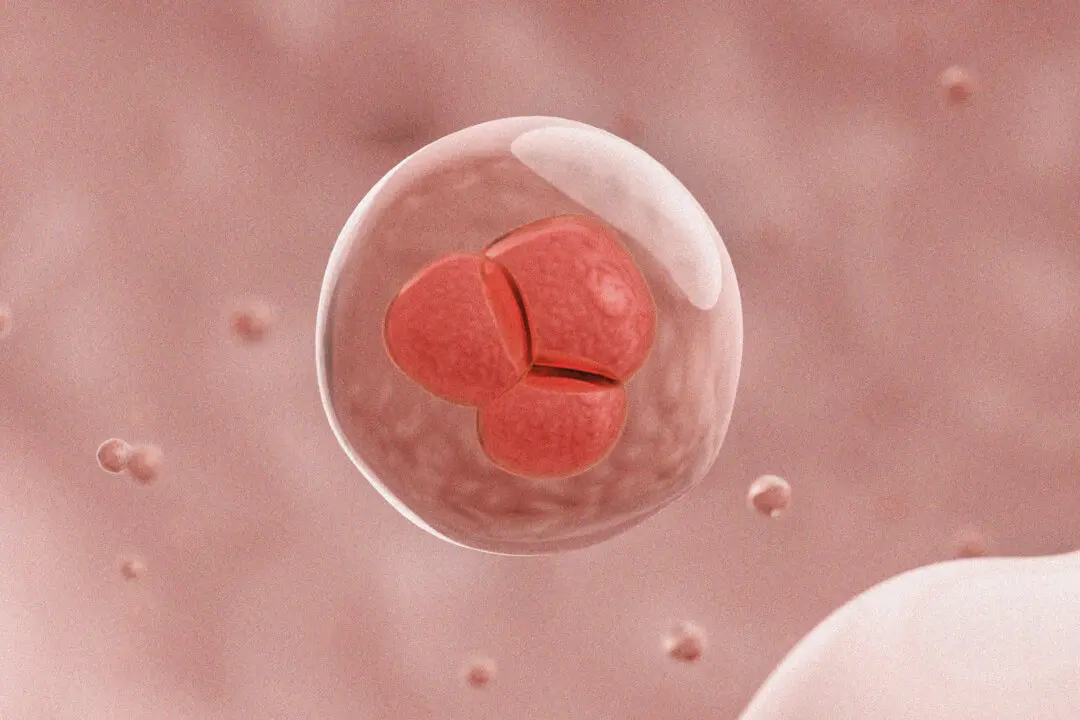
Chewing xylitol gum may be able to prevent preterm birth.
A three-year study of more than 10,000 pregnant women in Malawi, a country in southeastern Africa, found that pregnant women who chewed sugar-free, xylitol-sweetened gum had a 24 percent reduction in the incidence of preterm birth compared to women who did not.
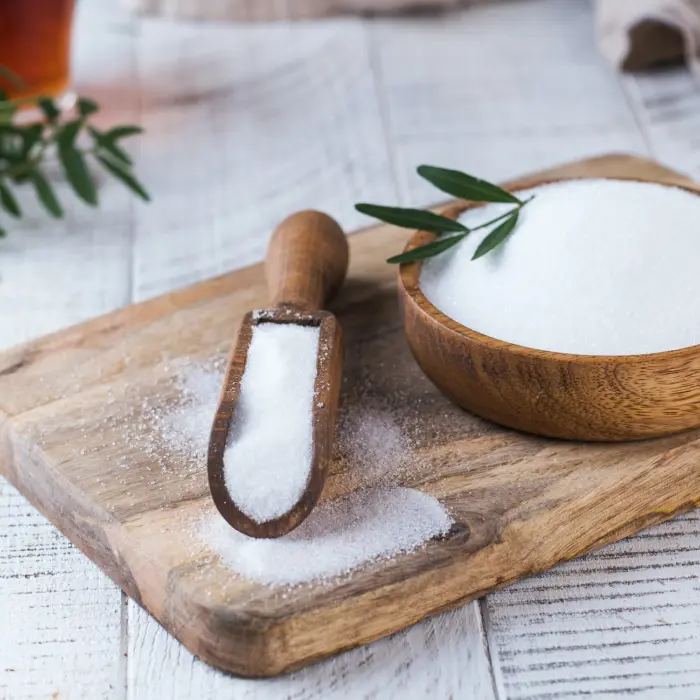
Xylitol is a sugar-free sweetener derived from xylose, which can be extracted from birch trees and corn cobs. Preterm birth occurs when a baby is born before 37 weeks of pregnancy.
Xylitol Linked to About 30 Percent Fewer Preterm Births
The findings, published Wednesday in Med, a journal by Cell Press, suggest a potentially simple solution for a serious health challenge in the region.Those who received the xylitol-gum intervention experienced a 30 percent drop in the delivery of very-low-birth-weight babies and a 24 percent reduction in babies born before 37 weeks compared to the control group, said Dr. Kjersti Aagaard, medical director of HCA Healthcare, who began the study at the Baylor College of Medicine.

Gum Disease Linked to Preterm Birth
Previous research has established that periodontal disease, or gum disease, caused by a buildup of plaque that forms on the teeth, increases the risk of preterm birth and low-birth-weight deliveries by two to three times.How Xylitol Works Beyond Cavity Prevention
The researchers pointed out that xylitol has probiotic properties and can reduce the growth of bacteria linked to periodontal disease and inflammation in gum tissues.The participants in the trial chewed xylitol gum from early pregnancy until delivery, which, according to researchers, helped improve oral health more accessibly than traditional methods, which can be difficult to implement in low-resource settings.
The findings are specific to Malawi and have not been shown to apply to other regions. “We do need to confirm the findings in the United States and other settings before that is a generalized statement that’s made up throughout the world,” Valentine told The Epoch Times.
Future Research Plans
Valentine is leading a follow-up study in Malawi called the Prevention of Developmental Delay and Xylitol study. This research will track neurodevelopmental outcomes in 1,000 children born during the initial trial, with results expected in 2027.The researchers also plan to test the xylitol-gum intervention in lower-resourced communities in the Seattle area.
“This finding could pave the way for a simple intervention such as xylitol chewing gum to improve both pregnancy and newborn outcomes,” Valentine said. “That’s why further studies are needed to investigate how the effects are in the United States population to confirm those findings.”
Valentine cautions that high xylitol intake—30 grams or more per day—can cause gastrointestinal issues, including diarrhea, upset stomach, and bloating.
“It would not be good to take high quantities of xylitol.”