The largest current measles outbreak in the United States may be slowing down, South Carolina’s top health official said Feb. 11.
“We have had lower day-by-day counts of reported measles cases recently,” South Carolina state epidemiologist Dr. Linda Bell told reporters during an online briefing.
“That is potentially an indication that this could be slowing but really, it is still too early to tell,” she said, mentioning that cases have recently appeared in multiple new counties.
Along with the confirmed cases, 235 people who have been exposed to measles are in quarantine. That number is down from 557 in late January.

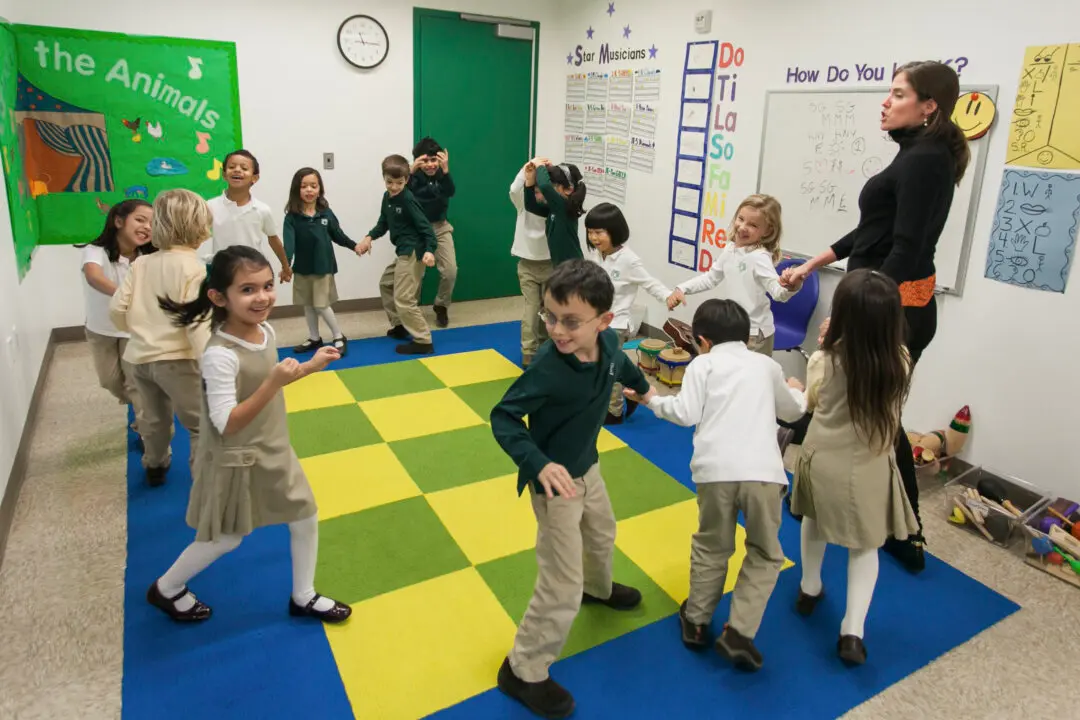
State protocol is to have people quarantine, or stay at home and miss school or work, for weeks if they are exposed to measles, an infectious disease that primarily spreads through droplets from infected people.
Officials have also been encouraging people to receive the measles, mumps, rubella (MMR) vaccine, noting that the bulk of the cases, per state data, are among unvaccinated persons.
Federal health authorities have said the vaccine is the best way to prevent measles, although they have highlighted that the vaccine can cause side effects and said people have the right not to receive the shot. They have also said doctors should be aware of how to treat measles.
The agency declined to immediately provide a comment on the decreasing trendline in South Carolina.
Bell, the state epidemiologist, told reporters that the observed slowdown was due to more people getting vaccinated, and people who were exposed quickly quarantining.
“It is a combination of all of those things, and I might add that we are not sure yet if we’re really seeing a slowing so this is really not the time for anybody to let their guard down and say this is over with,” she said. “We continue to encourage people to get vaccinated until we are sure that this is going to be over.”