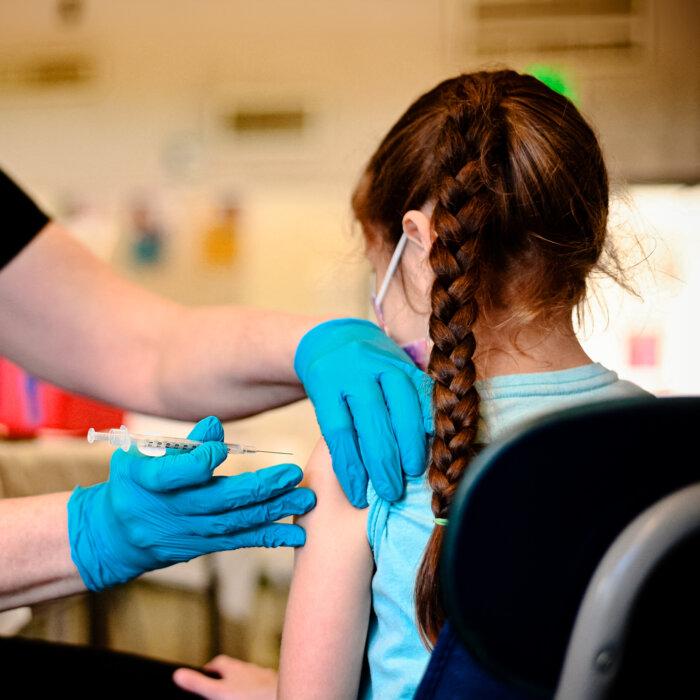
While a decreasing number of people in the United States support vaccines, majorities still say they are safe and effective, according to a new survey.
A roughly similar percentage of respondents, 64 percent and 72 percent, said the human papillomavirus vaccine and shingles vaccines are effective, respectively.
The survey, released on Dec. 18, also covered respondents’ views of the safety of various vaccines.
There was an increase to 72 percent of people who say the human papillomavirus vaccine is safe.
But fewer people said the influenza vaccine—80 percent, down from 85 percent in 2022—the COVID-19 vaccine—65 percent, the same as 2024 but down from 73 percent in 2022—and the MMR shot—83 percent, down from 88 percent in 2022—are safe, according to the survey.
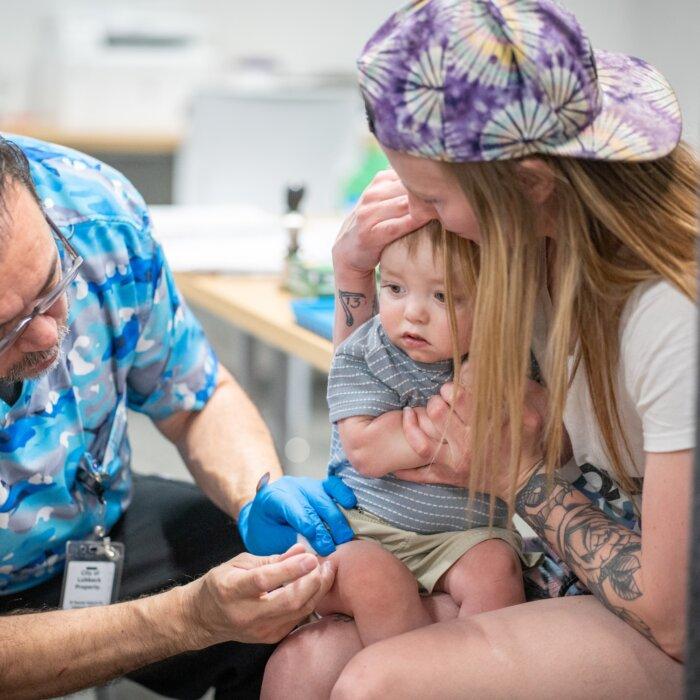
The survey of 1,637 adults was conducted from Nov. 17 through Dec. 1. The margin of error was plus or minus 3.5 percent.
Those conducting the survey also discovered that there were declines in the number of respondents who said they would recommend vaccination for eligible people against MMR, pneumonia, shingles, human papillomavirus, polio, and tetanus, diphtheria, and pertussis, although majorities still said they would recommend those immunizations.
More on Measles
A measles outbreak in South Carolina is one of several ongoing in the United States, which has recorded the most measles cases since 1992. South Carolina officials on Tuesday reported nine new cases, bringing the total related to the outbreak to 159, and said that 249 people are being quarantined and seven are being isolated.Asked whether getting the MMR vaccine is safer than contracting measles, mumps, or rubella, three-quarters of respondents to the new survey said that the statement was true. That was unchanged from the past.
Additionally, 78 percent of respondents, up slightly from 2024, said that vaccines are the best defense against measles, chickenpox, polio, and COVID-19.
Adverse events following receipt of the measles vaccine include febrile seizures and diarrhea, according to regulatory labels. Measles typically causes diarrhea, rash, and other symptoms.
Kennedy in the past has raised questions about the measles vaccine, but in his most recent statement on the subject, he said, “The most effective way to prevent the spread of measles is the MMR vaccine.”
“The decision to vaccinate is a personal one. Individuals should speak to their healthcare provider on the risks and benefits before receiving a vaccine.”
Only 13 percent of respondents said they are worried about themselves or a family member contracting measles in the next three months, with 87 percent saying they are not concerned. On the other hand, 68 percent said it would be bad if they suffered from measles, up 10 percent from the last time the question was asked by the center, in 2022.