This copy is for your personal, non-commercial use only. Distribution and use of this material are governed by our Subscriber Agreement and by copyright law. For non-personal use or to order multiple copies, please contact The Epoch Times Reprints.
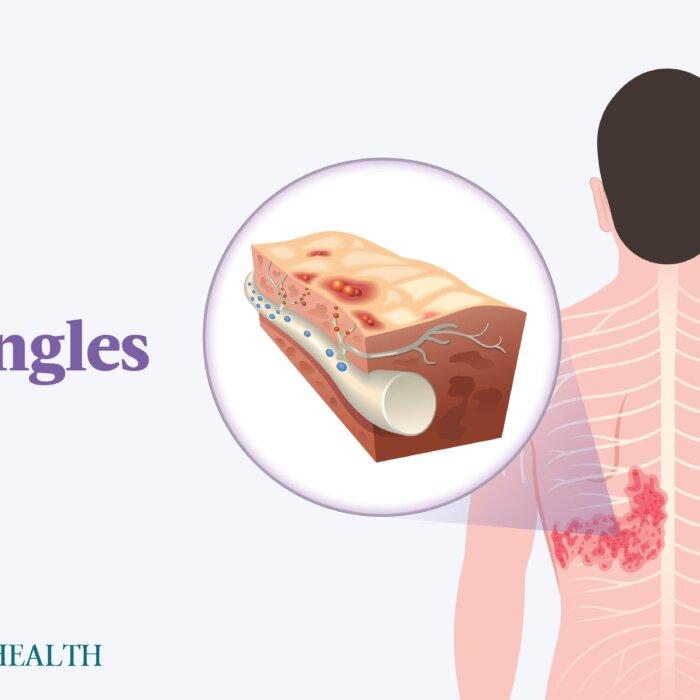
Shingles is a viral infection that causes severe nerve pain and can potentially lead to blindness when it affects the face.
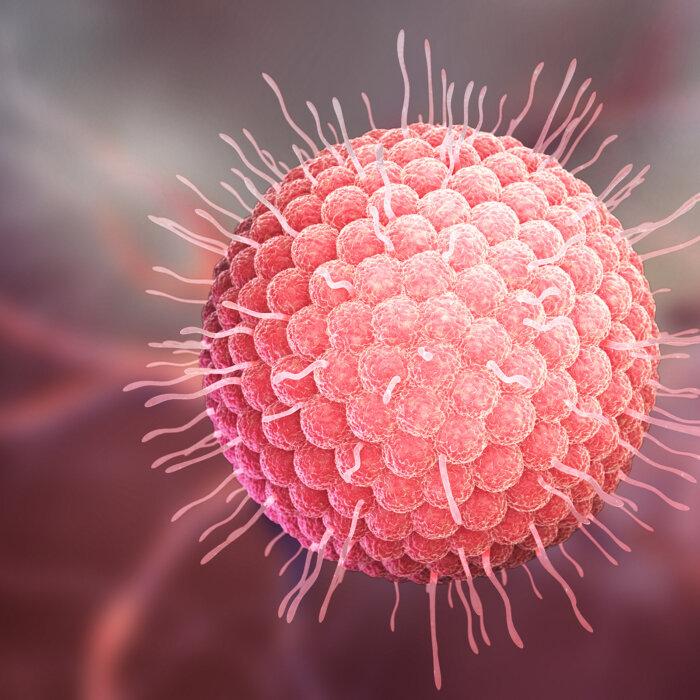
Shingles results from the reactivation of the varicella-zoster virus, which causes chickenpox. After recovering from chickenpox, the virus remains dormant in the body for years. When the immune system is compromised, the virus can reactivate, leading to shingles. Older adults and people with weakened immune systems are particularly at risk. The appearance of shingles is a clear sign that the immune system has started to weaken and requires immediate attention.
Early Signs
Early signs of shingles may include the following:
Localized pain and sensitivity: This typically occurs on one side of the body, following the path of the nerves. It is commonly felt under the arms, on the side of the chest, or on the back.
Skin itching or burning sensation: This sensation usually begins a few days before the rash appears and becomes increasingly noticeable.
General fatigue: Some people may experience feelings of weakness and tiredness, sometimes accompanied by mild fever and headaches.
Localized redness and swelling: The skin in the affected area may appear red and swollen.
Potential Complications
Shingles can lead to various complications depending on the area of the body affected:
Postherpetic neuralgia: The pain may persist for several months or even years after the rash has resolved.
Skin infections: If the affected skin area is not properly managed, secondary bacterial infections may develop.
Eye damage: Shingles can sometimes appear around the eyes, potentially impacting the eye itself and damaging the cornea, which may result in vision impairment or even blindness.
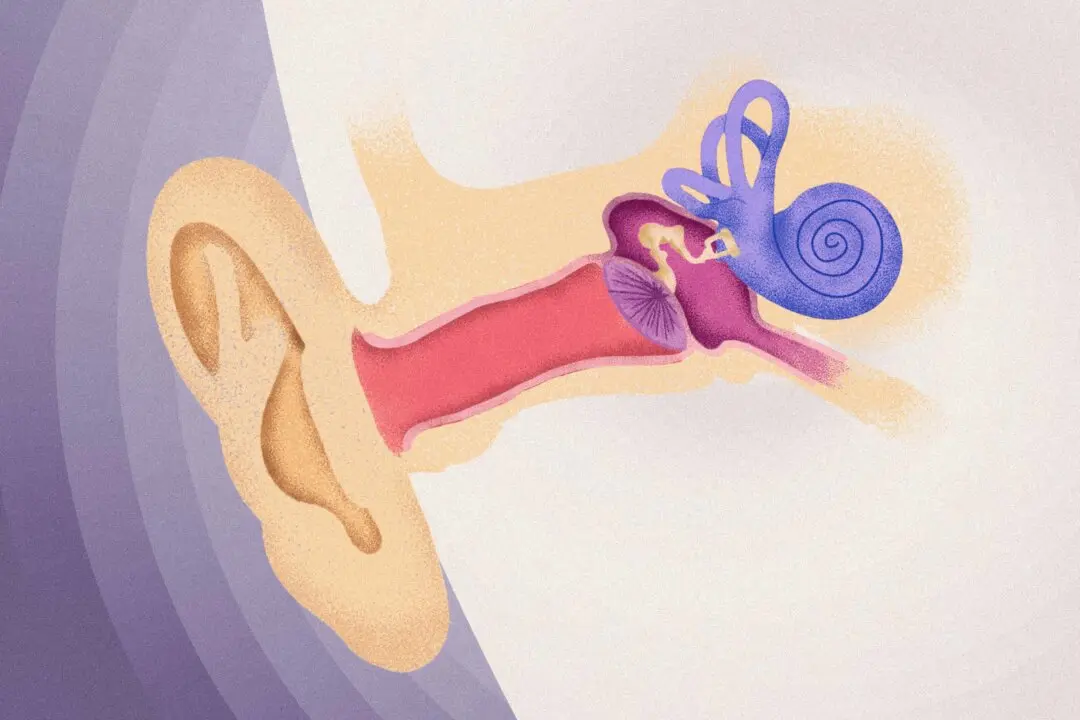
Hearing loss: If shingles occurs near the ear, it can affect hearing and lead to hearing loss.
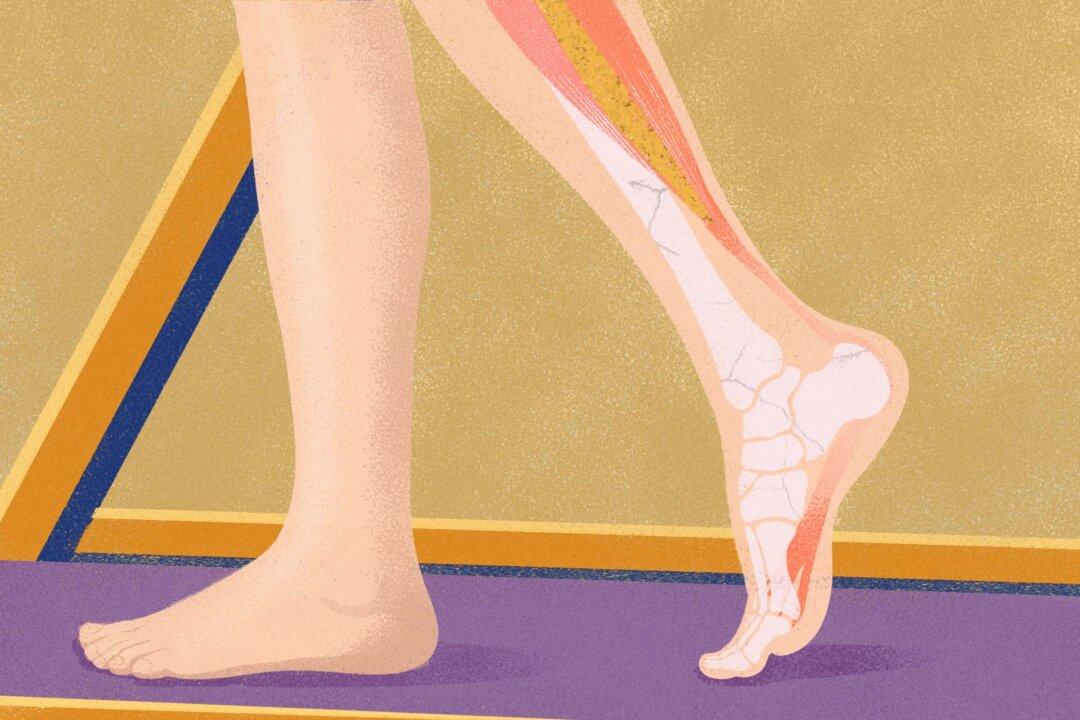
Nerve damage: This condition may affect motor nerves, causing muscle weakness or even paralysis.
The above complications are also the result of a chronic immune response triggered by the shingles virus within the body.
Treatment Methods
In current medical practice, the treatment of shingles primarily focuses on relieving symptoms during the acute phase, speeding up recovery, and reducing the risk of complications.
Antiviral medications like valacyclovir and famciclovir are commonly prescribed to treat shingles. If taken within 72 hours of the rash appearing, these medications can significantly reduce the severity and progression of the illness.
Additionally, pain relief medications such as opioids, nonsteroidal anti-inflammatory drugs, and anticonvulsants may be prescribed to manage nerve pain.
For localized pain relief, options such as lidocaine patches and capsaicin creams can be effective.
Effectiveness of TCM Treatment
From the perspective of traditional Chinese medicine (TCM), acupuncture is particularly effective in treating shingles. It helps relieve pain while also promoting blood circulation and enhancing the flow of energy within the body, thereby reducing inflammation.
For internal use, TCM prescribes herbal remedies that alleviate pain and improve blood circulation, such as Huang-Lian Jie-Du decoction. For external application, herbs like Bing Pian and Sanqi powder may be utilized.
Pharmacological research has shown that Huang-Lian Jie-Du decoction can be used to treat a variety of conditions, including allergies, inflammation, central nervous system disorders, bacterial and fungal infections, and imbalances in the intestinal flora.
Case Study
Mrs. Wang, a 67-year-old woman, developed shingles under her right armpit. Initially, she thought she could tolerate it, but the condition worsened, and the pain became severe. After seeking medical attention, she was diagnosed with shingles and discovered that her immune system was weakened. Wang explained that she had recently been in conflict with her daughter, which caused her to lose sleep and have a poor appetite. This situation had persisted for several months.
This case demonstrates how emotional stress can lead to nutritional deficiencies, which eventually manifest as physical ailments, such as shingles.
Wang was initially prescribed antiviral medications to manage the viral infection, followed by non-steroidal anti-inflammatory drugs, such as low-dose aspirin, to alleviate pain. Since the acute phase of her illness had passed, the treatment plan shifted to focus more on her recovery. With the use of acupuncture and herbal remedies, Wang’s symptoms showed significant improvement.
She is currently in the follow-up phase, with close monitoring of her daily routine, diet, and emotional well-being. Since, shingles can lead to neurological complications, potentially affecting hearing, vision, and even brain function, it is essential to carefully monitor for any signs of these complications.
Dietary Management
Maintaining a balanced diet and staying well-hydrated are crucial for managing shingles. An anti-inflammatory diet can be helpful in reducing inflammation and strengthening the immune system. This diet focuses on foods rich in omega-3 fatty acids, such as fish, berries, and leafy green vegetables. The Mediterranean diet is also an excellent option, as research has demonstrated its anti-inflammatory potential and its benefits in modulating the gut microbiota and immune system.
Supplementing with B and C vitamins an strengthen the immune system and aid in the repair of damaged nerves. Vitamin C is an essential micronutrient and a potent antioxidant. Studies have shown that it supports various cellular functions in both the innate and adaptive immune systems, thereby boosting immune defense. Additionally, vitamin C supplementation can help prevent and improve respiratory and systemic infections.
B vitamins play a crucial role in both the central and peripheral nervous systems. One study found that a specific combination of vitamins B1, B6, and B12 can help alleviate nociceptive and neuropathic pain, improve neuropathy, and enhance motor control.
Emotional Regulation
A weakened immune system is often associated with psychological stress. Therefore, it is important to regularly manage one’s emotions, enhance interpersonal relationships, and ensure sufficient sleep. Practices such as meditation and mindfulness can also be beneficial—these techniques enable us to approach problems and conflicts more calmly, which significantly reduces stress.
A meta-analysis published in the journal Clinical Psychology Review in 2022 indicated that mindfulness-based interventions can reduce psychological and oxidative stress, reduce inflammation, and enhance immune function, thereby improving the physical symptoms related to disease.
Note:Treatment methods may vary depending on the individual. Please consult with a health care professional for a specific treatment plan.
Views expressed in this article are the opinions of the author and do not necessarily reflect the views of The Epoch Times. Epoch Health welcomes professional discussion and friendly debate. To submit an opinion piece, please follow these guidelines and submit through our form here.
Jingduan Yang
M.D.
Dr. Jingduan Yang is a board-certified psychiatrist and fifth-generation classical Chinese medicine physician whose work bridges Western psychiatry, functional medicine, and ancient healing traditions. He is the creator of the ACES Model of Health and Medicine—a four-dimensional framework spanning anatomy, chemistry, energy, and spirit—and the author of “Facing East” and “Clinical Acupuncture and Ancient Chinese Medicine.” As a principal founder of the Northern School of Medicine and Health Sciences, he advances whole-person care grounded in science, ethics, and humanity.