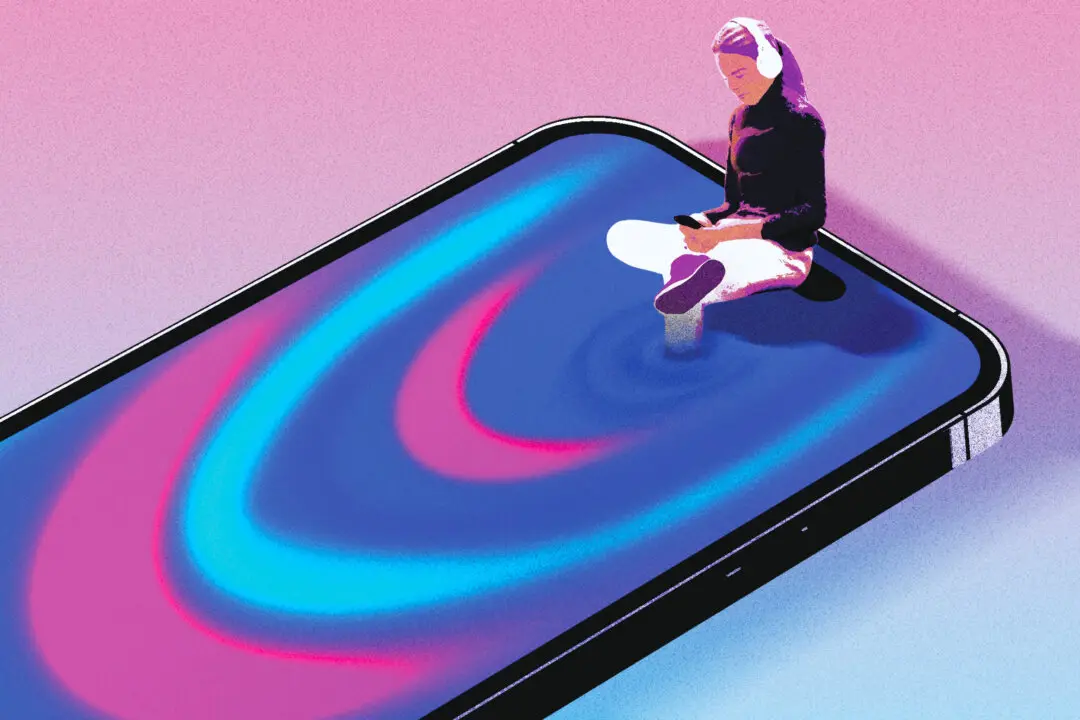
The toilet has traditionally served as a quiet refuge for catching up on light reading and, for busy people, an opportunity for some “me time.”
However, this time-honored habit has been linked to a bowel condition as people transition from reading newspapers to scrolling on smartphones, a new study suggests.
Researchers have quantified what gastroenterologists have been warning patients about for years: Prolonged toilet sitting from smartphone use increases hemorrhoid risk, with new data showing that phone users face nearly 50 percent increased risk of developing the painful condition.
The Physics Behind the Problem
Longer toilet time associated with phone use creates the perfect conditions for hemorrhoid development. Unlike sitting in a chair, sitting on a toilet leaves the pelvic floor unsupported, putting increased pressure on rectal veins, according to Islam.“The physics of prolonged pressure on the rectal veins, combined with increased blood flow from this position, increases the risk of developing swollen and engorged rectal veins, also known as hemorrhoids,” Dr. Cynthia Tsay, spokesperson with the American Gastroenterological Association, who was not involved in the research, told The Epoch Times.
The study found that 37 percent of smartphone users spent more than five minutes on the toilet, compared to just 7 percent of nonusers. The most common phone activities were reading news and browsing social media.
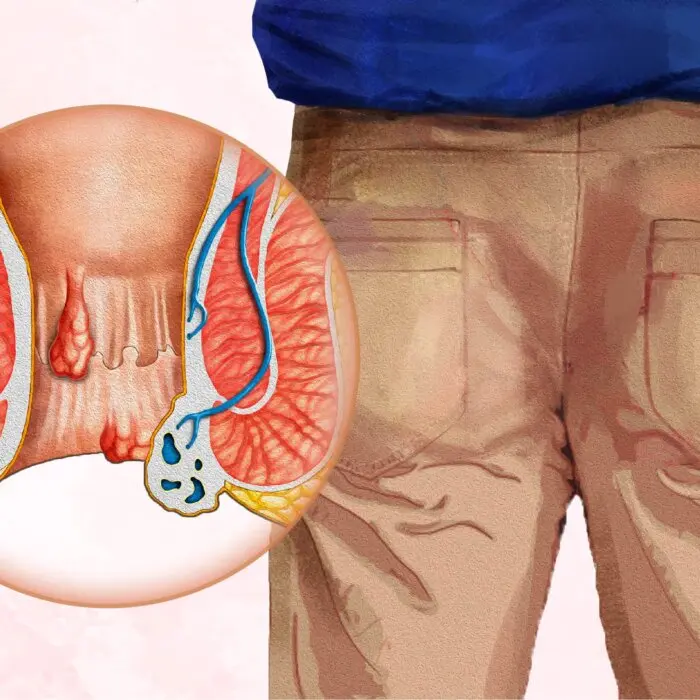

Out of all the respondents, 66 percent reported using a smartphone on the toilet, and of those, 46 percent had a higher risk of hemorrhoids than those who did not.
“Clinically, I often see a link between patients who spend more time in the bathroom and hemorrhoid development,” Islam said.
“Historically, people blamed reading the newspaper on the toilet—today, it’s smartphones. The data now reinforce what we’ve observed in practice for years.”
Breaking the Habit
Smartphone scrolling can make a person overstay their time in the bathroom.The “hooked” feeling when on the phone is not accidental—it is the product of careful design choices, Dr. Nona Kocher, a Board Certified Psychiatrist at Quintessence Psychiatry in Miami, not involved in the study, told The Epoch Times.
The researchers recommended that people leave their smartphones outside the bathroom and try to spend only a few minutes on the toilet.
“If it’s taking longer, ask yourself why. Was it because having a bowel movement was really so difficult, or was it because my focus was elsewhere?” senior study author Dr. Trisha Pasricha told The Epoch Times.
Social media, in particular, can be a distractor by offering constant stimulation and small bursts of reward, such as likes, new posts, and updates, which make it very hard to stop, Kocher said.
“These apps are designed to pull you in with endless scrolling and unpredictable content—minutes stretch into much longer without people realizing it,” she said.
Tsay recommends we get off the toilet after five minutes if we’re unable to have a bowel movement in that time.
Other ways to reduce our risk for the painful condition include keeping stools soft and minimizing constipation through a combination of adequate fiber intake, drinking water, and regular physical activity, she said.
Avoid straining and pushing when having a bowel movement, Tsay said, and she emphasized the need to minimize excessive sedentary time and standing, “especially on harder surfaces.”
“My advice to patients is to keep bathroom visits short and focus on healthy bowel habits overall,” she said.