
A Japanese plant traditionally eaten by samurai warriors could hold the secret to longevity, scientists say.
The Ashitaba plant (Angelica keiskei koidzumi) has a long history of being used to aid wound healing and prevent infection. Its name literally means “tomorrow’s leaf” in Japanese, because it grows back quickly after being cut.
According to traditional Japanese medicine, the slightly bitter leaves of the Ashitaba plant works wonders in extending a healthy life. Now, a new study may provide some good scientific evidence for these traditional beliefs.
![(<bdi><a class="new mw-userlink" title="User:Belikel (page does not exist)" href="https://commons.wikimedia.org/w/index.php?title=User:Belikel&action=edit&redlink=1">Belikel</a>/</bdi>Wikimedia Commons <span style="font-weight: 400;">[CC BY-SA 3.0 (ept.ms/2Bw5evC)]</span>)](/_next/image?url=https%3A%2F%2Fimg.theepochtimes.com%2Fassets%2Fuploads%2F2019%2F02%2F26%2FAngelica_keiskei_leaves-600x377.jpg&w=1200&q=75)
The Magical Compound Unique to the Magical Plant
Researchers at the University of Graz in Austria, led by Professor Frank Madeo, detected a unique natural compound named 4,4'-dimethoxychalcone, otherwise known as DMC, in the leaves of the Ashibata plant.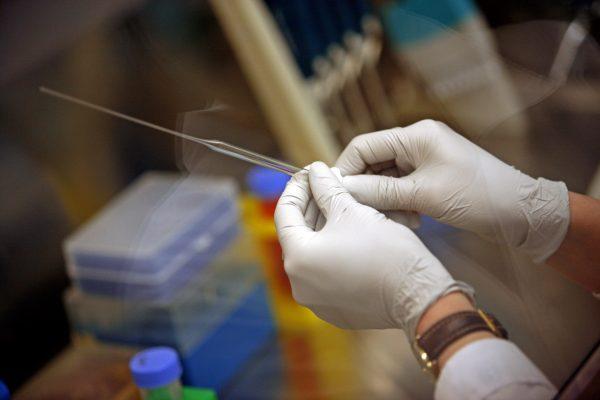
The team started by testing how DMC affected yeast cells, and discovered it was indeed helping to protect the yeast cells from the effects of aging. In fact, the compound performed as well or even better than some existing compounds touted for their cell-healing properties like resveratrol, which can be found in grape skins.
The researcher didn’t stop there, however. The moved on to see how this magical compound could perform in human cells.
Prof. Madeo and colleagues tested DMC’s effect on different types of human cells growing in cultures, and they were able to confirm the same positive outcome.Living Longer: Wisdom From Japan
They Eat a Lot of Veggies
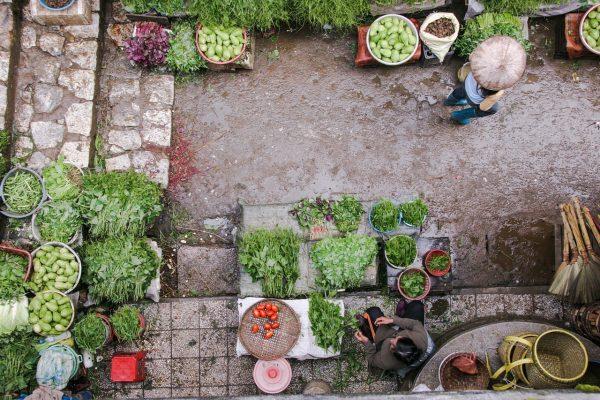
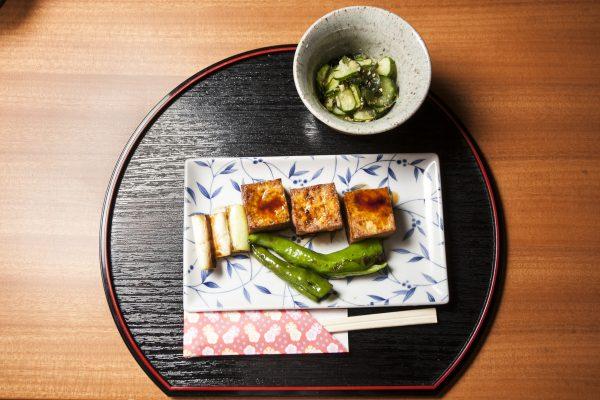
The Japanese traditional diet, which is comprised of fresh and minimally processed foods, is believed to play a key role in extending lives. The Japanese eat a balanced diet and consume a lot of vegetables and seasonal fruits. Historically, meat-eating was a long-standing taboo in Japanese society. Although it was removed in the late 19th century by the government as a part of the modernization effort, the Japanese consume much less meat, compared to Americans and people of other developed countries.
They Eat a Lot of Seafood
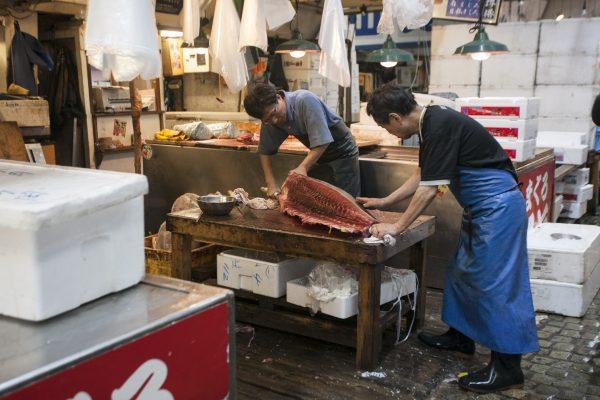
They Choose Water Over Oil
They Choose Rice Over Bread
They Eat With Smaller Plates and Bowls
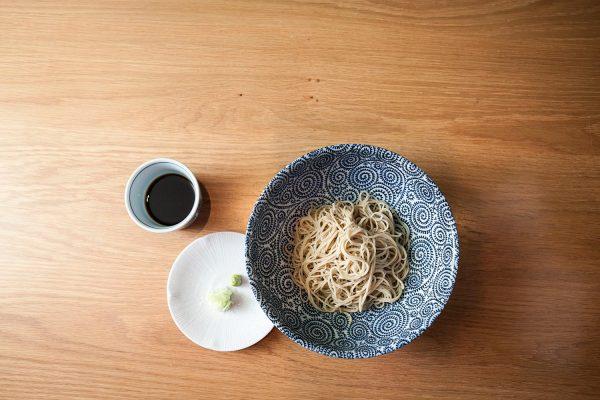
Japanese people always practice amazing portion control. They eat their food in smaller plates and they value quality, not quantity of their dishes. They also eat their food slowly, helping them feel more satisfied and improving digestion.