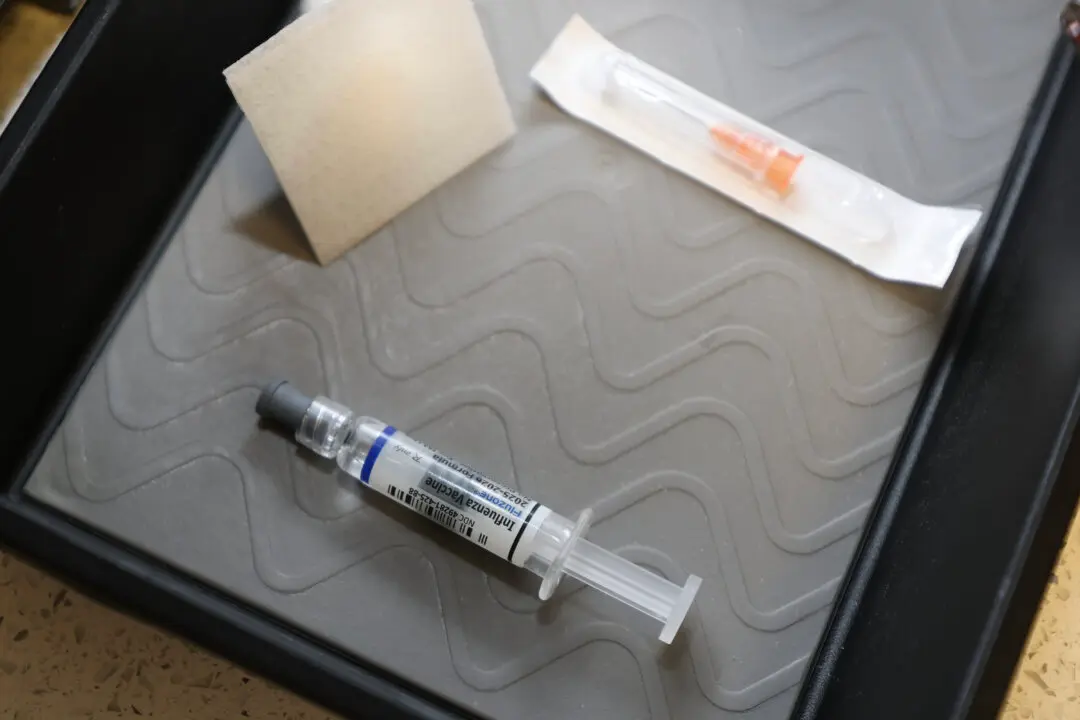
Rwanda has started to vaccinate health care workers against Marburg, a hemorrhagic fever similar to Ebola.
No authorized vaccines or treatments exist for Marburg, a severe illness that, according to the World Health Organization (WHO), has an average fatality rate of about 50 percent.
The U.S.-based Sabin Vaccine Institute stated that it sent about 700 investigational doses of its vaccine to Rwanda on Oct. 5 at the request of the country’s officials. The vaccinations will take place under a trial agreement with the Rwanda Biomedical Centre and will target high-risk adults, primarily health care workers who have been responding to the Marburg outbreak, according to the institute and health authorities.
Rwandan officials first reported cases of Marburg in late September and said then that they were trying to determine the source of the outbreak. They have still not been able to figure out the source.
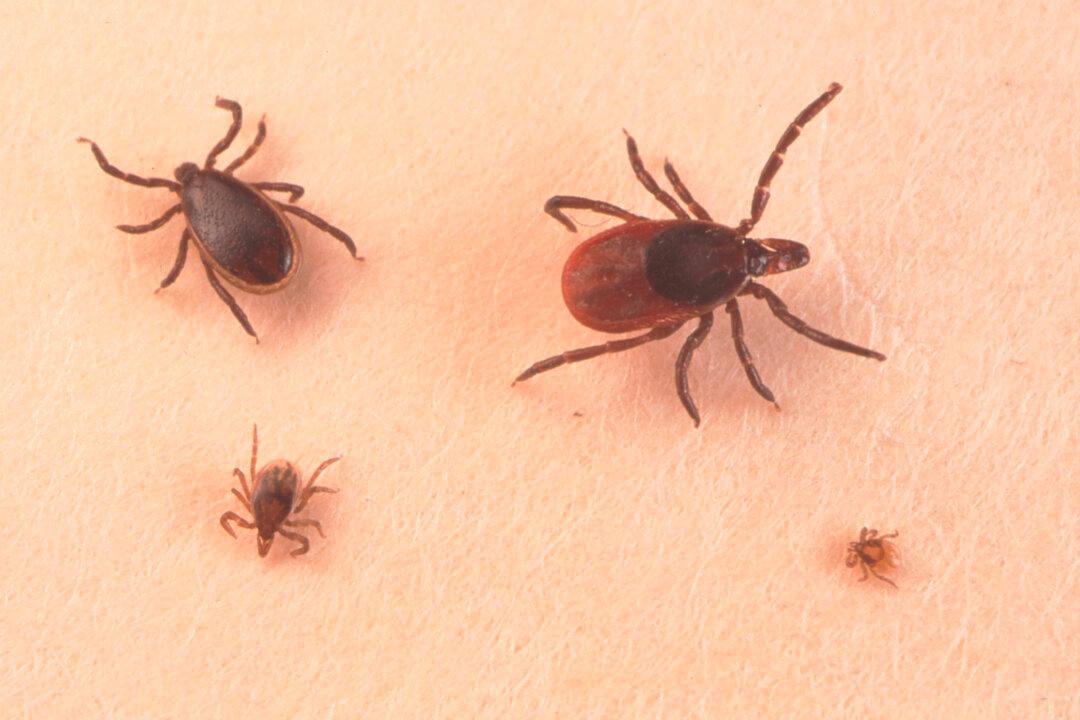
Bats and monkeys are the most common sources of the virus.
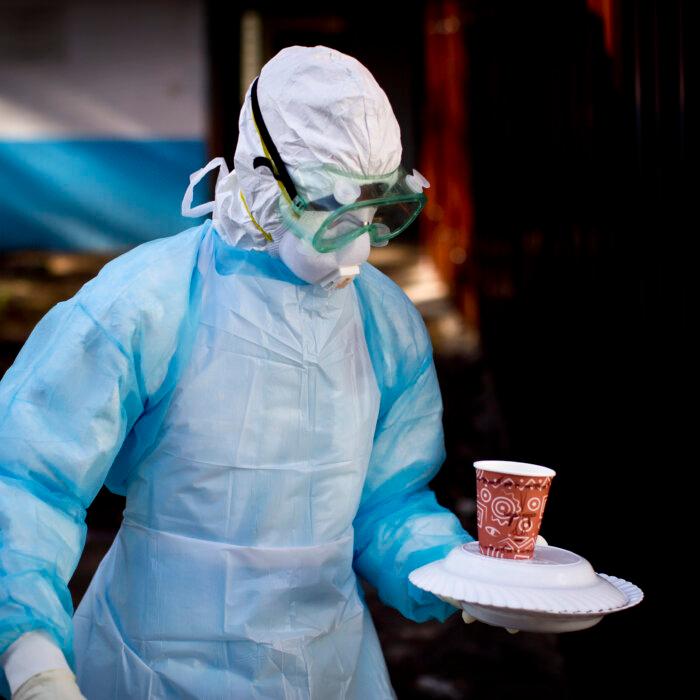

The first outbreaks took place in 1967 in Europe. African countries in recent years have dealt with Marburg cases.
Marburg spreads via direct contact with bodily fluids of infected people, animals, or items like bedsheets contaminated with the fluids.
Symptoms include diarrhea and vomiting and often appear from two to 21 days after infection.
Authorities have been taking steps to try to curb the spread of Marburg, including closing schools, restricting visits to hospitals, and limiting the number of people attending funerals for people killed by the illness.
The WHO is working with local authorities, officials with the United Nations have said.
Rwanda is a landlocked central African country with a population of about 13.7 million.
However, doctors should be aware that travelers could come to the United States with Marburg, according to the agency.