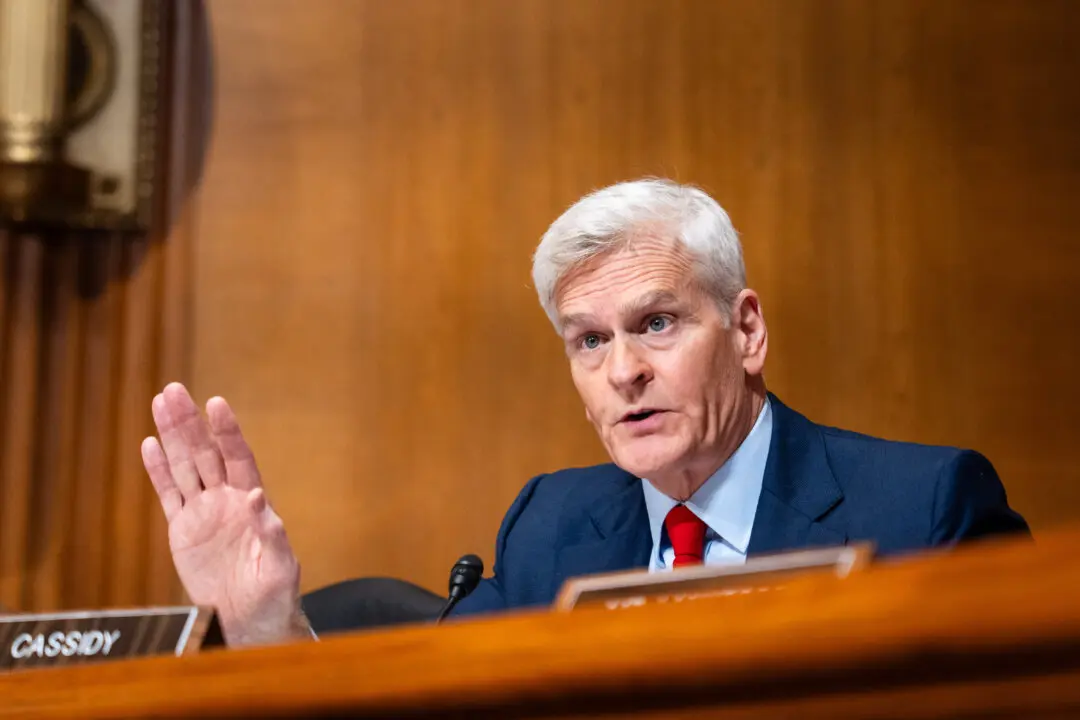
Health Secretary Robert F. Kennedy Jr. has agreed with advice from an advisory panel that he recently ousted.
Kennedy accepted a recommendation from the Advisory Committee on Immunization Practices (ACIP) that vaccines against respiratory syncytial virus (RSV) be recommended for adults aged 50 to 59 who have a factor that places them at increased risk of severe illness, according to an update on the Centers for Disease Control and Prevention’s website.
“The Secretary conducted a thorough review of the latest scientific evidence and public health impact,” a spokesperson for the Department of Health and Human Services (HHS), the CDC’s parent agency, told The Epoch Times in an email.
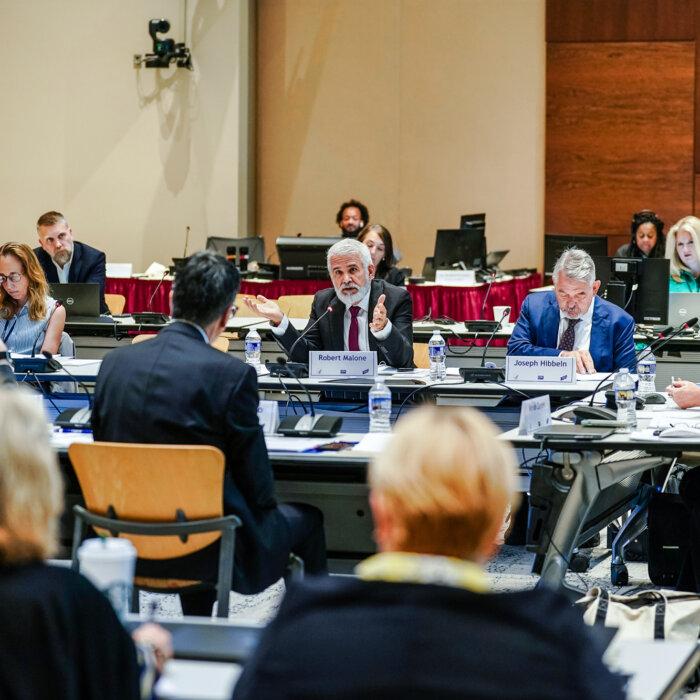
“What’s swaying me is there clearly are people in that 50 to 59 year sort of age group—for example lung transplant patients, hematopoietic stem cell transplant patients—that would clearly benefit from having access to this vaccine,” Dr. Jane Zucker, one of the advisers, said at the time.

Three RSV vaccines are available in the United States. Shots made by GlaxoSmithKline and Pfizer are licensed for people younger than 60, but the CDC had previously only recommended them for adults aged 60 and up.
Kennedy has also accepted a recommendation from the former advisers to go further with access to vaccines against meningococcal disease. The former advisers said that the CDC should allow a pentavalent vaccine from GlaxoSmithKline to healthy people aged 16 to 23 when two other meningococcal vaccines are indicated during a visit to a doctor.
The updated advice also allows the pentavalent vaccine for people aged at least 10 who “are at increased risk for meningococcal disease (e.g., because of persistent complement deficiencies, complement inhibitor use, or functional or anatomic asplenia).”
Mary Holland, president and CEO of Children’s Health Defense (CHD), a nonprofit that Kennedy formerly chaired, told The Epoch Times in an email that the new administration’s approach appears to be more thoughtful when it comes to implementing ACIP’s recommendations “rather than automatically accepting everything the committee endorses.”
“However, these recommendations should never be used to mandate vaccination for anyone in any situation,” she added. “Like all vaccines, the RSV and meningococcal vaccines carry health risks that often outweigh the risks posed by the illnesses they are meant to prevent. There are several limitations in the data used by ACIP when making these recommendations, including the long-term effects of these vaccines on overall health. CHD will continue to participate in the ACIP meetings and discussions and advocate for the transparency we expect from the new committee.”