This copy is for your personal, non-commercial use only. Distribution and use of this material are governed by our Subscriber Agreement and by copyright law. For non-personal use or to order multiple copies, please contact The Epoch Times Reprints.
Essential for human health, potassium helps regulate blood pressure, support muscle function, and ensure a regular heartbeat. Both deficiencies and excesses of potassium can adversely affect the body, so it is important to be aware of any symptoms of imbalance.
The Role of Potassium in the Body
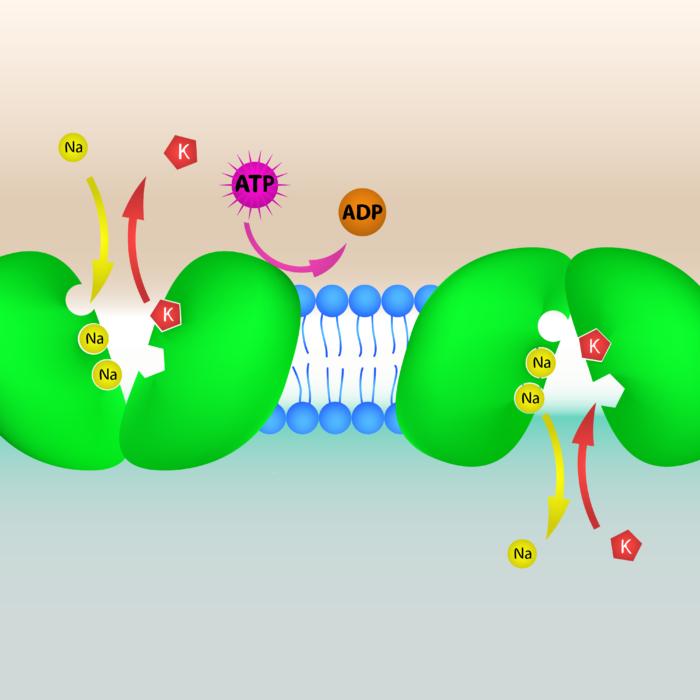
Potassium, an electrolyte and the primary positively charged ion within our cells, plays a critical role in cellular functions and energy processes. It acts as a vital link between these fields, both as a biochemical component and as a direct participant in generating and regulating nerve impulses. Potassium is crucial for nerve conduction, muscle contraction, the maintenance of intracellular osmotic pressure, and the balancing of pH levels in body fluids.
One of potassium’s most important functions is its effect on blood pressure. Adequate potassium helps the body excrete sodium, reduces fluid retention, and promotes blood vessel dilation, all of which contribute to lowering blood pressure. Therefore, maintaining sufficient potassium levels can help reduce the risk of hypertension and related conditions, such as heart disease and stroke.
A systematic review published in the Journal of the American College of Cardiology in 2011 analyzed 11 studies involving nearly 250,000 participants. The review found that a daily intake of 1.64 grams of potassium can reduce the risk of stroke by 21 percent.
The researchers noted that increasing dietary potassium intake was associated with a lower incidence of stroke and could also reduce the risks of coronary heart disease and total cardiovascular disease. These findings support the recommendation to consume potassium-rich foods to reduce the likelihood of vascular diseases.
A long-term randomized controlled trial included in the systematic review evaluated the effects of increasing potassium intake through natural foods. After one year of follow-up, patients on a potassium-rich diet achieved blood pressure control with less than half of the medication dose needed by the control group.
Potassium is an organic salt essential for bone health. By regulating the body’s acid-base balance, potassium can help prevent bone loss.
Additionally, potassium helps prevent excessive calcium excretion in the urine, which can reduce the risk of kidney stones.
Potassium is also beneficial for people with diabetes. It can increase insulin sensitivity and help regulate blood sugar levels.
Signs of Potassium Excess and Deficiency
The current American Heart Association recommended daily potassium intake is 3,400 milligrams (mg) for men and 2,600 mg for women. However, the required amount may vary depending on age, individual physiology, and specific health conditions.
For older adults, the need for potassium increases while the body’s ability to excrete it decreases. Therefore, regulating potassium levels in the blood becomes essential.
How can we tell if our potassium levels are too high or too low? Abnormal blood potassium levels can lead to several common issues, including:
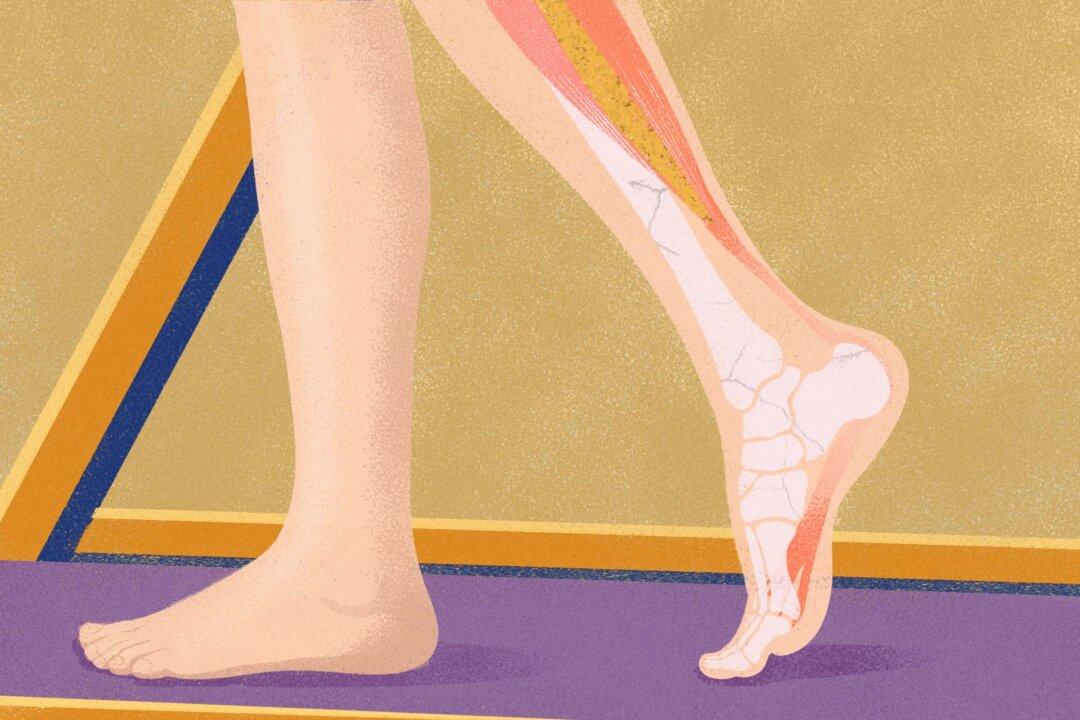
1. Muscle contraction: High potassium levels can cause muscle weakness or paralysis, while low potassium levels can lead to muscle cramps.
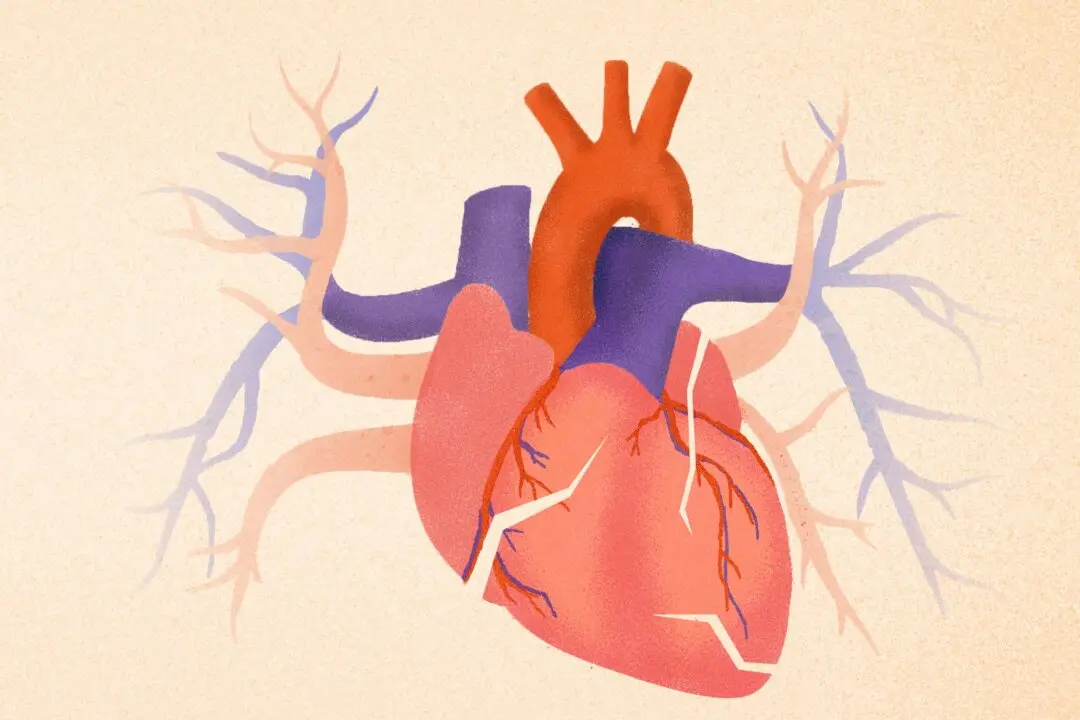
2. Heart rhythm: Both high and low potassium levels can disrupt heart rhythm. If you notice irregularities in your heartbeat, it is important to have your potassium levels checked.
3. Gastrointestinal: High potassium levels can cause nausea and vomiting, while low potassium levels can lead to constipation because of reduced gastrointestinal motility.
4. Neurological: Both high and low potassium levels can cause numbness or pain in the fingers and toes. If you experience these symptoms, it is advisable to check your potassium levels.
Another distinctive symptom of low potassium is severe fatigue.
Blood tests and electrocardiograms can reveal whether potassium levels are too high or too low. If you experience any of the symptoms mentioned, it is important to consider the possibility of abnormal potassium levels and to consult a doctor.
6 Types of Potassium-Rich Foods
Potassium deficiency is common among many people. How can we prevent it? Our bodies primarily obtain potassium from food, which is abundant in various unprocessed items. Here are six examples of potassium-rich foods (potassium per 100-gram serving):
It is crucial to obtain sufficient potassium through the foods mentioned above. However, some people need to be cautious when supplementing potassium. The following groups, in particular, should avoid potassium supplementation:
1. Patients with severe kidney disease: Excessive potassium supplementation can lead to hyperkalemia.
2. Patients with diabetic nephropathy: This condition may impair the kidneys’ ability to excrete potassium effectively.
3. Individuals taking certain medications: Some medications, such as potassium-sparing diuretics, can increase potassium levels in the body. Additional potassium supplementation may result in hyperkalemia.
Medications used to treat high blood pressure and heart disease, including ACE inhibitors such as lisinopril and benazepril, can cause potassium retention. Similarly, angiotensin II receptor antagonists, including losartan and valsartan, can also increase potassium levels in the blood.
4. Patients with heart disease: Potassium levels can significantly impact heart rate, so individuals with heart disease should exercise particular caution with potassium supplementation.
Views expressed in this article are the opinions of the author and do not necessarily reflect the views of The Epoch Times. Epoch Health welcomes professional discussion and friendly debate. To submit an opinion piece, please follow these guidelines and submit through our form here.
Jingduan Yang
M.D.
Dr. Jingduan Yang is a board-certified psychiatrist and fifth-generation classical Chinese medicine physician whose work bridges Western psychiatry, functional medicine, and ancient healing traditions. He is the creator of the ACES Model of Health and Medicine—a four-dimensional framework spanning anatomy, chemistry, energy, and spirit—and the author of “Facing East” and “Clinical Acupuncture and Ancient Chinese Medicine.” As a principal founder of the Northern School of Medicine and Health Sciences, he advances whole-person care grounded in science, ethics, and humanity.