Pediatrician Group That Recommends Weight Loss Medications for Children Receives Money From Manufacturers: Study

The funding was not disclosed in the American Academy of Pediatrics guidelines.
Pediatrician Group That Recommends Weight Loss Medications for Children Receives Money From Manufacturers: Study
A group of teens go for a morning walk in Reedley, Calif., Oct. 19, 2009. Justin Sullivan/Getty Images
Zachary Stieber
Zachary Stieber
Senior Reporter
|Updated:
0:00

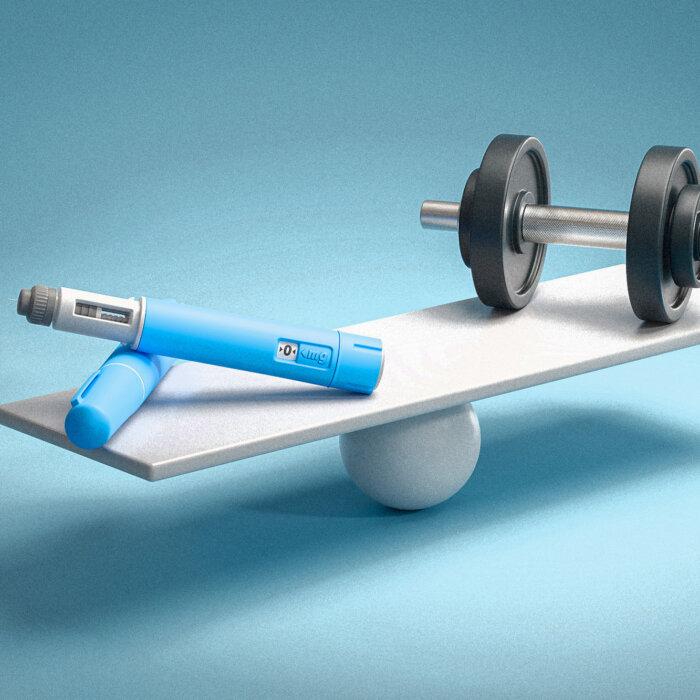
The American Academy of Pediatrics (AAP) has taken in millions from companies that manufacture a new class of weight loss drugs, raising concerns about the organization’s endorsement of the drugs for children as young as 8 years old, researchers said in a new paper.

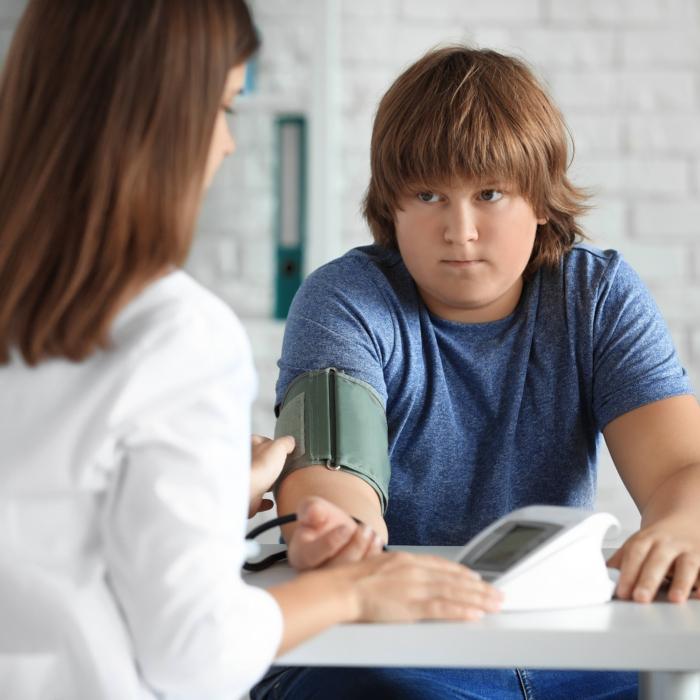
The AAP, in guidelines released in 2023, recommended that doctors should offer children aged 12 and older glucagon-like peptide-1 receptor agonists (GLP-1) and other weight loss drugs. The guidelines, which AAP said it vetted, also said clinicians could offer the drugs to children aged 8 to 11.
In the guidelines and an accompanying technical report—both of which AAP published in its journal, Pediatrics—no funding from makers of GLP-1 drugs was disclosed.
Researchers who examined possible conflicts using archived versions of the AAP website said in the new paper that GLP-1 drug manufacturers, including Novo Nordisk and Eli Lilly—the two largest—paid around $2 million from 2012 to 2024 to the AAP. About a quarter of AAP’s national leaders separately received nearly $300,000 combined from 2017 to 2023 from corporations that developed the drugs, according to data from the AAP and a database of physician payments maintained by the government.

Additionally, 10 of the 27 members of the AAP committees that developed the childhood obesity guidelines received payments from GLP-1 drug developers from 2017 to 2023, the researchers found by examining the database.
Dr. Sarah Hampl, the lead author of the guidelines, who works for the University of Missouri-Kansas City School of Medicine, received $96.81 from Novo Nordisk in 2023 and another $225.81 from the company in 2024, according to the database.

Laura Schmidt, a professor at the University of California–San Francisco, and other researchers said in the new study that there were also irregularities in the development of the guidelines, including that the systematic review informing the guidelines contains “no direct evidence of GLP-1 efficacy or safety in adolescents.”

The financial ties between industry and the AAP, as well as the people who worked on the guidelines, and the irregularities, suggest the guidelines “should be interpreted with caution,” they wrote in the study, which was published by the British Medical Journal on July 7.

The guidelines “are tainted by financial conflicts of interest,” Schmidt told The Epoch Times in an email. She said the investigation was triggered by how the guidelines diverge from recommendations from medical groups in Australia, Sweden, and the United Kingdom.

“We think that all medical societies, including the AAP, should adhere to established standards for reporting financial conflicts of interest to increase trust and transparency,” Schmidt added.

The authors noted that there is evidence GLP-1 drugs are effective for weight loss, but that they have side effects and can be expensive.

The AAP, Hampl, and the lead author of the technical report did not return requests for comment.

Novo Nordisk and Eli Lilly did not respond to inquiries.

The paper came around the same time a separate group of researchers determined that prescription of weight loss drugs rose after the AAP issued its guidelines, although the authors said in the paper, published by Pediatrics on July 14, that the number of prescriptions “remained low.”
Zachary Stieber
Zachary Stieber
Senior Reporter
Zachary Stieber is a senior reporter for The Epoch Times based in Maryland. He covers U.S. and world news. Contact Zachary at [email protected]
twitter
truth