COVID-19 antiviral drug Paxlovid failed to reduce most of the medical complications when used in the treatment of long COVID, according to a recent study.
It found that Paxlovid was not successful in reducing 30 out of the 31 potential post-COVID-19 conditions at 31 to 180 days following the medication.
The study analyzed data from 191,057 U.S. veterans who registered their first positive COVID-19 test result between January and July 2022. Paxlovid treatment was given to 9,607 veterans, out of which 9,593 people were alive after 30 days. Eighty-six percent of the study participants were male and 17.5 percent were unvaccinated.
“No differences were observed between participants treated with nirmatrelvir–ritonavir and their matched untreated comparators” in the incidence of most post-COVID-19 conditions, the study said.
Such conditions include cardiac, pulmonary, renal, gastrointestinal, neurologic, mental health, musculoskeletal, endocrine, and general conditions, symptoms, and disorders.
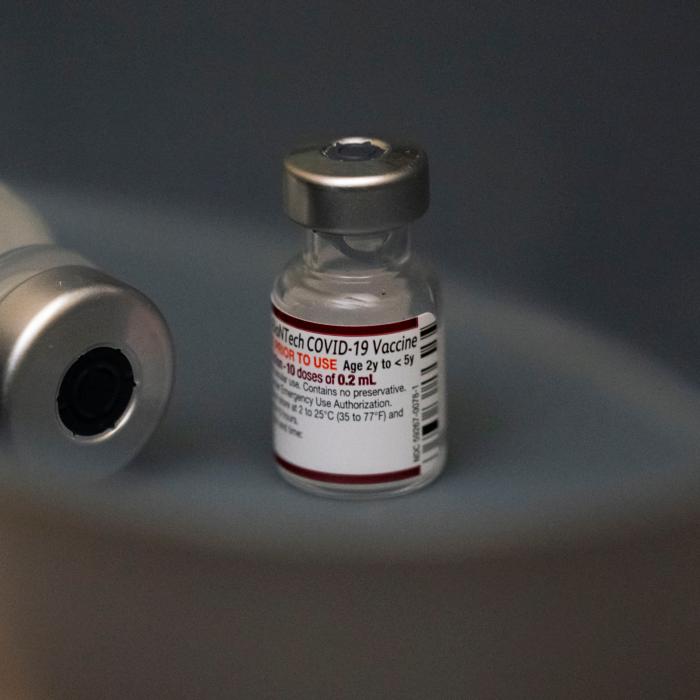

The study pointed out that its results differ from a March 2023 study which found that nirmatrelvir–ritonavir was associated with a “lower risk for 10 out of 13 PCCs.” It suggested that the difference may be due to several factors like data sources, study methods, and period of study.
“If the only reason you are taking Paxlovid is because you think it will prevent you from developing complications of COVID-19, then maybe you should think twice about that,” he said.
Paxlovid is usually prescribed for COVID-19 patients who may be at high risk of dying or being hospitalized due to the infection, according to HealthDay.
The U.S. Department of Veterans Affairs was the primary funding source for the study.
Long COVID Issues
According to the U.S. Centers for Disease Control and Prevention (CDC), long COVID is “broadly defined as signs, symptoms, and conditions that continue or develop after acute COVID-19 infection.” These conditions can last for weeks, months, or years.Even though long COVID occurs more in people who have had severe COVID-19 illness, any individual who is infected with the virus can experience it.
Out of the 806 patients in the study, individuals infected with the Omicron and Delta variants were found to have experienced “more severe long COVID.”
“At 1.5 year after infection, patients had no clinically meaningful decline in severity of long COVID, and 57% (245/429) of patients failed to improve 1.5 years after infection, with no differences between variants,” the study said.
The study found that 1 in 5 COVID-19 survivors in the age group of 18 to 64 experienced “at least one incident condition that might be attributable to previous COVID-19.” This number jumps to 1 in 4 among survivors aged 65 and above.
In July 2021, long COVID was recognized as a condition that could result in a disability under the Americans with Disabilities Act (ADA).
There are also concerns that harms resulting from COVID-19 vaccines could be passed off as long COVID.
Paxlovid Availability and Effectiveness
The Food and Drug Administration granted full approval for Paxlovid in May. The agency said that Paxlovid was the fourth drug and first antiviral pill to be approved for treating COVID-19.The full approval is applicable only to adults. Adolescents ages 12 to 18 will have access to the drug under emergency use authorization.
Clinical trials of Paxlovid have produced mixed results.
While the Oct. 31 study found Paxlovid ineffective in treating long COVID symptoms, earlier research from the same team found that the treatment “seemed to reduce the risk for death 31 to 180 days after infection” compared to individuals receiving no treatment.
In one of Pfizer’s clinical trials, Paxlovid was shown to minimize deaths and hospitalizations by about 90 percent among unvaccinated individuals who were at risk of serious COVID-19 illness.
However, another trial from the company didn’t show any benefit to individuals deemed to be at standard risk of COVID-19 infection, including those who had been vaccinated.
Since December 2021, the U.S. government has purchased Paxlovid and distributed it for free to the public. But starting next year, the drug will move to the commercial market and could cost almost $1,400 for a five-day course.
The Epoch Times reached out to Pfizer, the manufacturer of the drug, for comment.