People sickened by a parasite have repeatedly told investigators they ate cilantro or parsley before becoming sick, according to North Carolina officials.
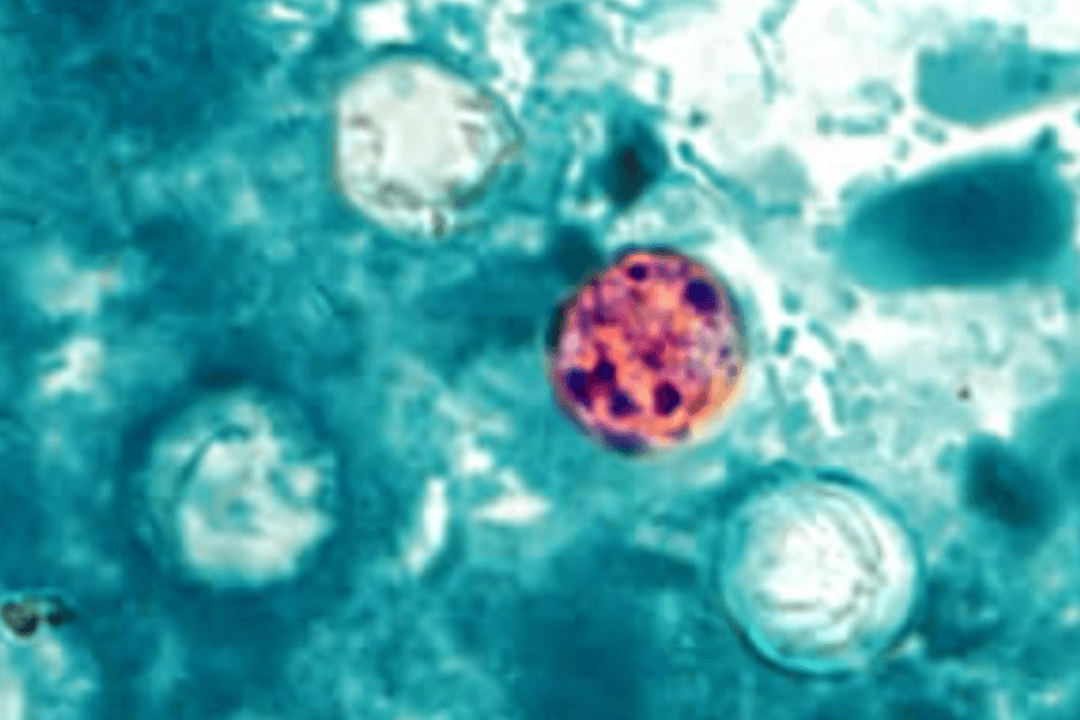
Parsley and cilantro “keeps showing up repeatedly” while state officials carry out interviews with people who contracted cyclosporiasis, a disease caused by a parasite present in food and water with feces, Carl Williams, the state public health veterinarian, told reporters during a briefing on July 21.
The interviews involve asking people what they ate. If people answer with menu items at a restaurant, “we look at those ingredients—and we call that an ingredient level analysis—and those items do pop up frequently,” Williams said.
That doesn’t mean the herbs have definitely caused cyclosporiasis cases, and officials are still investigating.
North Carolina officials did not respond to a request for more details.
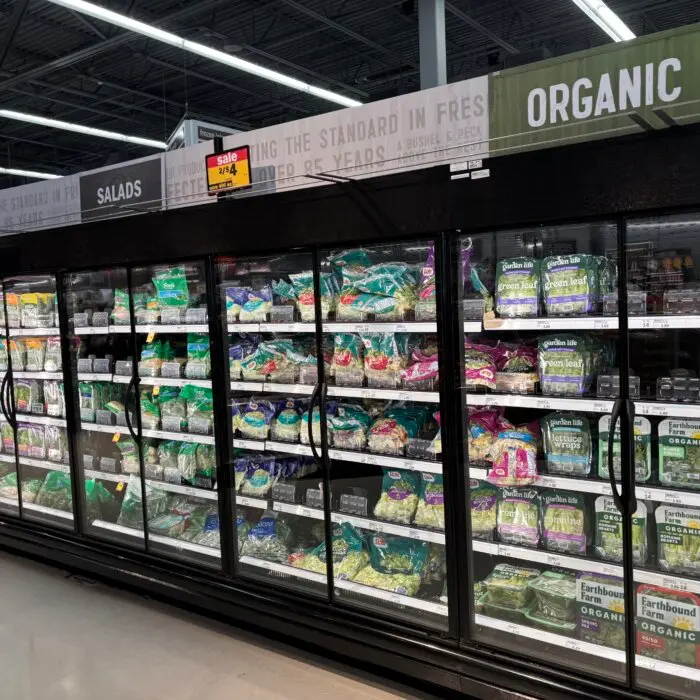
The Centers for Disease Control and Prevention says it has received reports of 4,173 laboratory-confirmed cases, and knows of more than 7,400 other cases that have not yet been confirmed.
The FDA recommends that people not use packages of the recalled lettuce labeled Marketside with best-by dates of July 18 to Aug. 3.
The CDC advises washing hands thoroughly before and after handling produce, washing produce, and discarding any damaged or bruised portions before cooking or eating.
Neither the FDA nor the CDC has mentioned parsley or cilantro, the latter of which has been identified as causing prior outbreaks of cyclosporiasis, including a 2023 outbreak in Alabama.
Officials in Michigan, where more than 7,600 cases have been recorded this year, say information to date indicates that lettuce or salad greens may be a source of the outbreak.
North Carolina officials said people should either cook produce or avoid certain kinds, such as cilantro.
“If using ingredients that have been identified to be associated with the increase in cyclospora cases in North Carolina, like lettuce, parsley, and cilantro, please consider removing or cooking fully to avoid getting yourself or others sick,” the North Carolina Department of Health and Human Services said in a statement.