Nearly half of all U.S. adults could suffer from chronic liver disease by 2050, according to new research that projects a massive surge in cases requiring transplants and specialized care.
Liver Disease Cases to Surge by 2050
The new study, published in JAMA Network Open on Jan. 17, projected that by 2050, the number of adults suffering from MASLD, formally known as nonalcoholic fatty liver disease, could increase from the 86.3 million who had it in 2020 to approximately 121.9 million. This accounts for 41.4 percent of the adult U.S. population.The researchers used a microsimulation model to simulate health outcomes for people within a population over time, analyzing the progression of MASLD among more than 2.8 million individuals.
The number of people with metabolic dysfunction-associated steatohepatitis (MASH), a more severe form of MASLD, is also expected to rise from nearly 6 percent of U.S. adults in 2020 to almost 8 percent in 2050.
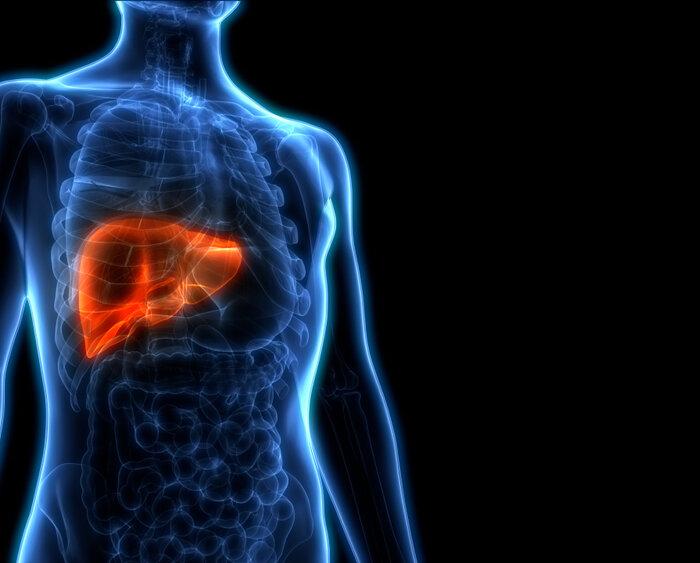

The increasing burden of MASLD is expected to accompany potentially severe health complications.
The researchers estimated that the number of new cases of liver cancer, known as hepatocellular carcinoma (HCC), will almost double from the 2020–2025 period to the 2046–2050 period, and liver transplant cases are expected to quadruple during this time.
The share of liver-related deaths is projected to jump from about 1 percent of all-cause mortality in 2020 to 2.4 percent by 2050, according to the study’s findings.
Older Adults Most Affected
The study highlighted a disparity in disease progression among different age groups. Adults ages 80 years and older are expected to experience the most significant increases in MASLD prevalence.Additionally, the proportion of patients experiencing more severe fibrosis stages—indicating worse liver damage—is also expected to rise, suggesting a trend toward more advanced cases of the disease.
Lifestyle changes can minimize the impact of MASLD among those living with the condition. These include weight management, regular physical activity, and a balanced diet, all of which can also help prevent or slow disease progression.