Patients paralyzed due to spinal cord injuries may one day achieve substantial or even complete recovery following stem cell and exosome therapy, according to clinical research. Though these treatments are not yet approved by the U.S. Food and Drug Administration (FDA), studies have shown that these two novel regenerative medicine treatments offer hope for those suffering from previously incurable conditions such as traumatic paralysis.
Stem cells, which have the unique ability to self-renew and differentiate into various cell types, can be directed to develop into specific types of cells, thus helping to regenerate and repair tissues damaged or affected by disease.
Stem Cell and Exosome Therapies
Stem cells are a type of cell in our bodies that can differentiate themselves into various tissues and organs, and possess significant restorative capabilities. They function as versatile repair agents, capable of transforming into different cell types, including nerve cells, to facilitate the repair of spinal cord tissue.Stem cells can be extracted from different sources, including bone marrow, amniotic cells, adipose tissue, umbilical cord, and placental tissue. Due to their immunological properties, stem cells generally must be sourced from the patient’s body.
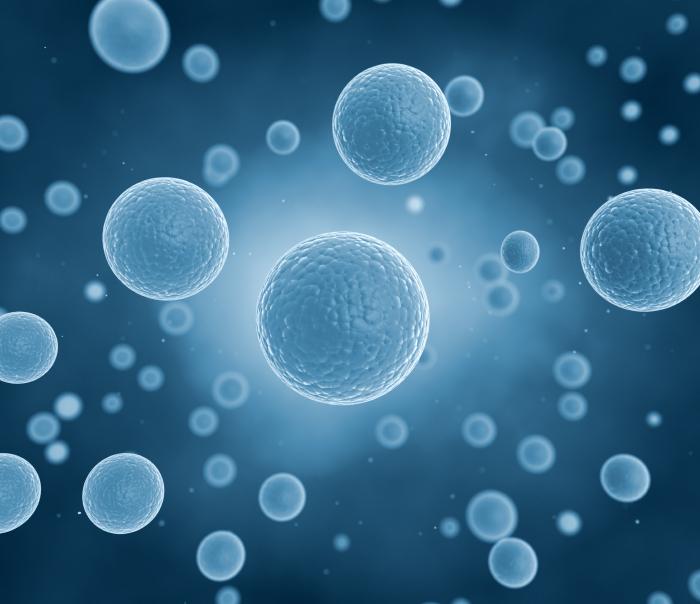
These cells are primarily harvested from bone marrow and then cultured to sufficiently increase their numbers. Once prepared, they are transplanted into the injured area of the patient’s spinal cord, where they function to repair and regenerate damaged nerve tissue.
By contrast, exosomes are secreted by cells as they perform their functions within the body. They do not carry the DNA of the originating cell, but do contain various types of information.
When an exosome derived from a stem cell fuses with another cell, it can mimic the functions of the stem cell. In other words, exosomes function like couriers, delivering repair materials and signals to other cells, particularly other stem cells, thereby enhancing their function.
Stem Cell Therapy Versus Exosome Therapy
Stem cell therapy can be highly effective in repairing damaged tissues and organs, such as in heart repair after a heart attack, spinal cord or nerve repair, and bone marrow transplants for leukemia and lymphoma. Its advantages include versatility, high plasticity, and long-term repair capabilities.However, it has three major drawbacks:
Compared to stem cell therapy, exosome therapy offers several advantages. First, exosomes lack immunological properties and do not trigger immune rejection, allowing exosomes from healthy donors to be used for treatment.
Furthermore, exosome therapy can be administered in various forms—through injection, inhalation, or intravenous infusion—making it a safer and more versatile option.
Availability
Currently, those seeking exosome therapy will have to wait as it is in the clinical trial stage and not yet FDA-approved.As for stem cell therapy, the only FDA-approved stem cell products available at this time are hematopoietic progenitor cells (blood-forming stem cells) derived from umbilical cord blood. These cells are specifically approved for patients with hematologic diseases affecting blood production but are not approved for other uses.
When considering stem cell therapy, concerns typically involve issues of immune rejection and tumor growth as well as high cost. Exosome therapy also entails significant expenses. These factors represent some of the key challenges currently facing regenerative medicine.
Regenerative medicine enhances the body’s natural self-repair mechanisms and offers significant benefits for patients with critical needs. The advancement of regenerative medicine provides renewed hope for many patients. As technology continues to progress, stem cell and exosome therapies can be expected to play an increasingly significant role in addressing a broad array of diseases.