The new BA.2.86 COVID-19 variant has been found in the sewage of New York City, according to the New York City Department of Health and Mental Hygiene.
This variant could potentially cause infection in vaccinated people.
New York City Health Commissioner Dr. Ashwin Vasan said the new variant has been detected in parts of the United States and, most recently, in New York City’s wastewater. He did not specify when the variant was found.
“While we have yet to find it in a specimen from a local resident, it is almost certainly circulating here,” Dr. Vasan said in a statement issued by the department on Aug. 29.
Dr. Vasan said that BA.2.86 may be more capable of evading immunity from vaccines or past infections than previous virus variants, but there has been no evidence that it could cause more severe illness.
First Confirmed Case in Canada
Health officials in British Columbia in Canada issued a statement on Aug. 29 saying that they detected the BA.2.86 variant in a person from the region. The patient has not traveled outside the province.
This is the first known case of the BA.2.86 variant in Canada. According to the statement, the infected person is not hospitalized, and there does not seem to be increased severity with the new variant.
“It was not unexpected for BA.2.86 to show up in Canada and the province. The risk to people in B.C. has not changed. COVID-19 continues to spread globally, and the virus continues to adapt,” the statement reads.
BA.2.86 Has Large Number of Mutations
The Centers for Disease Control and Prevention (CDC) said that at least two cases with the BA.2.86 variant had been found in the United States. It was also found in Israel, the United Kingdom, South Africa, and Denmark.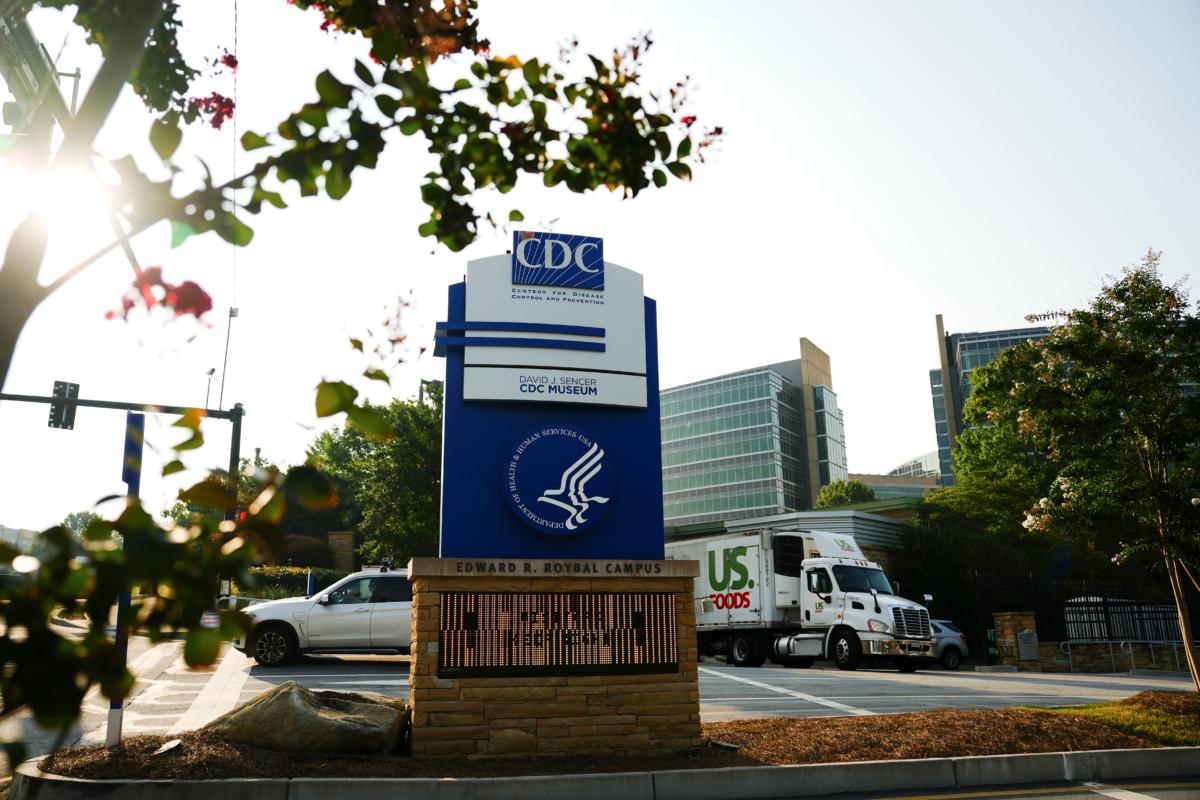
One of the BA.2.86 cases was found in a person detected via the CDC’s traveler surveillance system, while it noted that cases being found in several countries is evidence of international transmission.
The first case of the BA.2.86 variant was reported in Denmark in July 2023. On Aug. 20, the Michigan Health Department said it detected the BA.2.86 variant in an “older adult with mild symptoms.” The person has not been hospitalized.
The CDC stated that it’s too soon to know whether this might cause more severe illness than previous variants. However, because of the high number of mutations detected in this lineage, there are concerns about the effectiveness of immunity from vaccines and previous infections.
The agency also stated that “virus samples are not yet broadly available for more reliable laboratory testing of antibodies, and it is too soon to know the real-world impacts on immunity.”
“It is also important to note that the current increase in hospitalizations in the United States is not likely driven by the BA.2.86 variant. This assessment may change as additional data become available.”
According to the CDC, most of the U.S. population has COVID-19 antibodies from a previous infection, vaccination, or both, and it is likely that the antibodies will provide some protection against the variant.