The panel that advises the Centers for Disease Control and Prevention (CDC) will analyze the effects on children of the administration of all recommended vaccines and consider whether to change the current recommendations for Hepatitis B vaccines, the committee’s new chair said on June 25.
He said a new ACIP workgroup will be established that analyzes the effect of the vaccines on the childhood schedule, including how different vaccines interact, the cumulative effects of vaccine ingredients, and the timing of the vaccines.
CDC workgroups analyze matters and present their findings to the full panel.


Another new workgroup will analyze vaccines that have not been reviewed in more than seven years, Kulldorff said.
That group may look at the current recommendation that babies receive a Hepatitis B vaccine on the day they are born.
“Unless the mother is Hepatitis B positive, an argument could be made to delay the vaccine for this infection, which is primarily spread by sexual activity and intravenous drug use,” Kulldorff said.
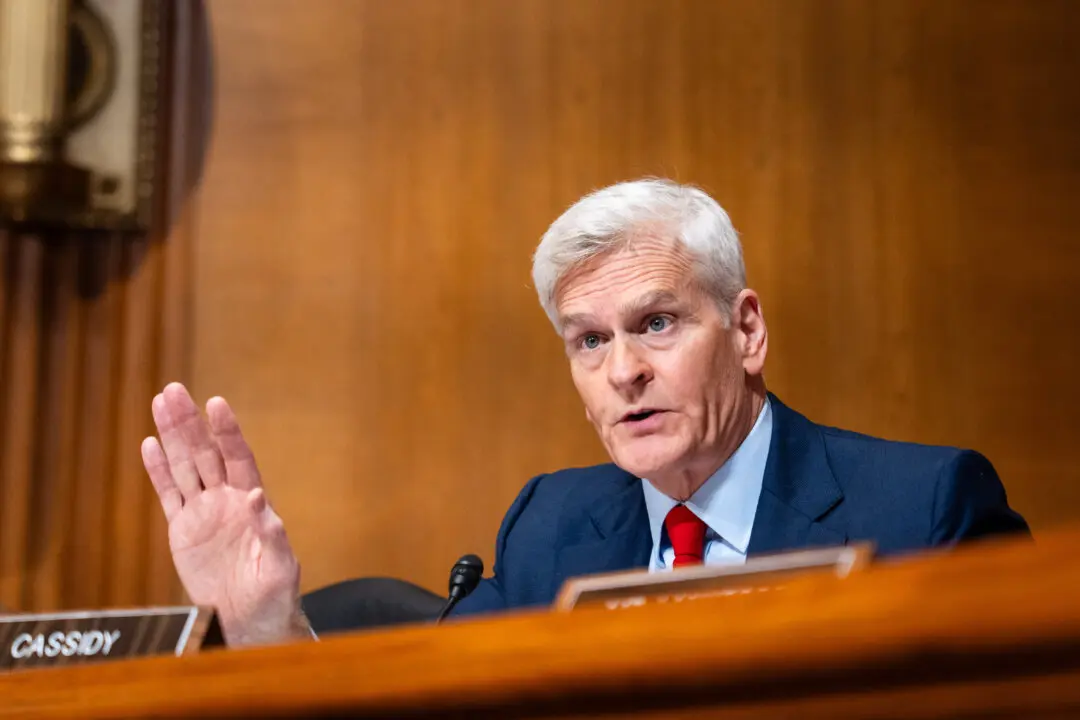
Some outside groups and individuals have criticized Kennedy’s actions, including Sen. Bill Cassidy (R-La.), who chairs the Senate Committee on Health, Education, Labor, and Pensions.
Cassidy this week called for the meeting to be delayed until more members are nominated. Many of the members “lack broad vaccine and immunological expertise,” Cassidy said during a hearing on Capitol Hill on June 25 that was taking place at the same time as the advisory panel meeting.
“There’s a difference between reviewing recommendations about appropriateness of a patient receiving an immunization, and broadly declaring a vaccine to be dangerous or unsafe if received without the evidence to support such a declaration,” Cassidy said.
ACIP was established in 1964 to provide expert advice to federal officials regarding immunization policy. The CDC largely does not have to adopt its recommendations, but it usually does.
Kulldorff said in opening remarks, “[Kennedy] has given this committee a clear mandate to use evidence-based medicine for making vaccine recommendations, and that is what we will do.”
He said vaccines “are not all good or bad” and that “no questions should be off limits.” He added later that “to thoroughly scrutinize and ensure the safety and efficacy in vaccines is a pro-vaccine position.”
The committee later in the day will vote on recommendations for the CDC regarding respiratory syncytial virus vaccines for pregnant women and children.
Panelists are scheduled to listen to presentations on vaccines against influenza, chikungunya, anthrax, and measles on June 26, before voting on advice concerning influenza vaccines and, more specifically, flu shots that contain the mercury-based preservative thimerosal.
Susan Monarez, President Donald Trump’s nominee for CDC director, said before Cassidy’s committee on June 25 that if she were confirmed, she would make sure that all CDC recommendations are “backed by publicly available, gold-standard science.”