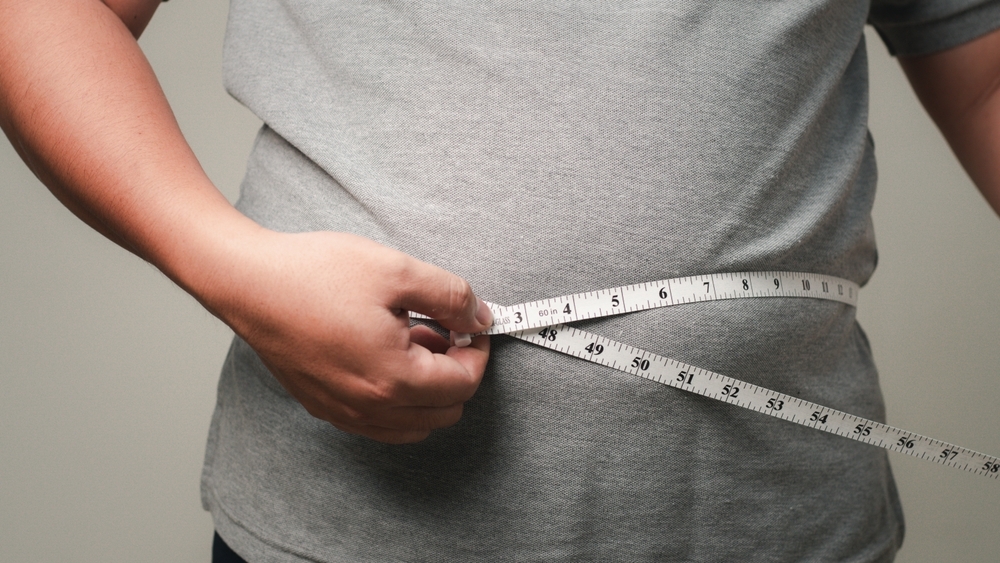

Individuals are now classified as obese under three conditions—if they have elevated BMI plus at least one elevated anthropometric measure or a BMI greater than 40; or at least two elevated anthropometric measures irrespective of BMI; or excess body fat, according to the study.
Researchers analyzed the U.S.-based All of Us database to determine the prevalence of obesity under the new definition.
Of the 301,026 participants aged 18–80 years included in the analysis, 128,992 individuals (42.9 percent) were deemed to be obese under the traditional BMI-based criteria. But under the new definition, 206,361 individuals, or 68.6 percent, were considered obese. Obesity was found to be more prevalent with older age.


“With potentially 70 percent of the adult population now considered to have excess fat, we need to better understand what treatment approaches to prioritize.”
According to the study, 78,047 participants (25.9 percent) who were not classified as obese under the traditional definition were reclassified as having obesity under the anthropometrics-only criteria. Among these individuals, 22.3 percent had a BMI traditionally classified as underweight or normal, with the remaining in the overweight category.
The Lancet Diabetes & Endocrinology guideline also introduced the concept of clinical and preclinical obesity. Clinical obesity refers to obesity-associated organ dysfunction or physical limitation, while preclinical obesity refers to a condition without such obesity-related issues.
Under the new definition, 36.1 percent of overall participants had clinical obesity, researchers found. Individuals with BMI plus anthropometric obesity were found to have a higher proportion of clinical obesity.
“We found that approximately half of participants classified as having obesity under the new definition also exhibited organ dysfunction and/or physical limitation consistent with clinical obesity,” the study authors wrote.
“Our analyses suggest that the new definition of clinical obesity appropriately designates individuals with obesity who are at the highest long-term risk of incident diabetes, cardiovascular events, and mortality.”
The study was funded by grants from the National Institutes of Health, American Heart Association–Harold Amos Medical Research Faculty Development Program, Robert Wood Johnson Foundation, and Robert A. Winn Excellence in Clinical Trials Award Program from the Bristol Myers Squibb Foundation.
One of the researchers revealed conflicts of interest, having received grant support and personal fees from pharma company Chiesi Farmaceutici. Another researcher received fees from Exavir Therapeutics and Marathon Asset Management, as well as grant support from Kowa Pharmaceuticals America Inc., Gilead Sciences Inc., and ViiV Healthcare.
“We have always recognized the limitations of BMI as a single marker for obesity because it doesn’t take into account body fat distribution,” senior study author Steven Grinspoon said.
Obesity in US
According to a January 2024 post by the Centers for Disease Control and Prevention, obesity is a “common, serious, and costly chronic disease” in the United States. The agency estimated that one in five children and two in five adults in the country are obese.Obesity can be particularly harsh for children, as it can lead to numerous health conditions, such as Type 2 diabetes and high blood pressure. As for adults, people with obesity have a higher risk of developing several diseases such as Type 2 diabetes, heart disease, and certain cancers.
The CDC attributed the prevalence of obesity to factors such as that fewer than one in 10 people eat the recommended daily amount of vegetables, only one in four adults fully meet their physical activity requirements, and less than one in four youths get sufficient aerobic physical activity.
The highest obesity prevalence was in the Midwest, at 36 percent, closely followed by the South, at 34.7 percent, the CDC said.
“Three states (Arkansas, Mississippi, and West Virginia) had an obesity prevalence of 40 percent or greater.”