The problem was discovered after the company received multiple complaints from customers who found pieces of metal in its frozen chicken breast and thigh products, according to the announcement.
“Hormel Foods determined that the metal originated from the conveyor belt used in production. There have been no confirmed reports of injury due to consumption of this product. Anyone concerned about an injury should contact a healthcare provider,” the announcement said.
- 13.9 lb. cases of Hormel Fire Braised Meats All Natural Boneless Chicken Thigh Meat, with item code 65009
- 13.8 lb. cases of Hormel Fire Braised Meats All Natural Boneless Chicken Breast, with item codes 77531 and 46750
- 23.8 lb. cases of Hormel Fire Braised Meats All Natural Boneless Chicken Breast, with item code 86206
- 13.95 lb. cases of Boneless Chicken Breast With Rib Meat, with item code 134394
The recall has been categorized as “High-Class I,” the highest among the three recall classifications under the Department of Agriculture. The designation is issued when the product is considered risky enough to potentially cause “serious, adverse health consequences or death.”
FSIS said it was concerned that some of the products may still be in the freezers of restaurants, hotels, and other institutions.
“These businesses are urged not to serve the product. This product should be thrown away,” the agency said.
In an emailed statement to The Epoch Times, a Hormel spokesperson said: “This product is only sold to foodservice customers and cannot be purchased directly by consumers. All customers that may have received the affected product have been properly notified.”
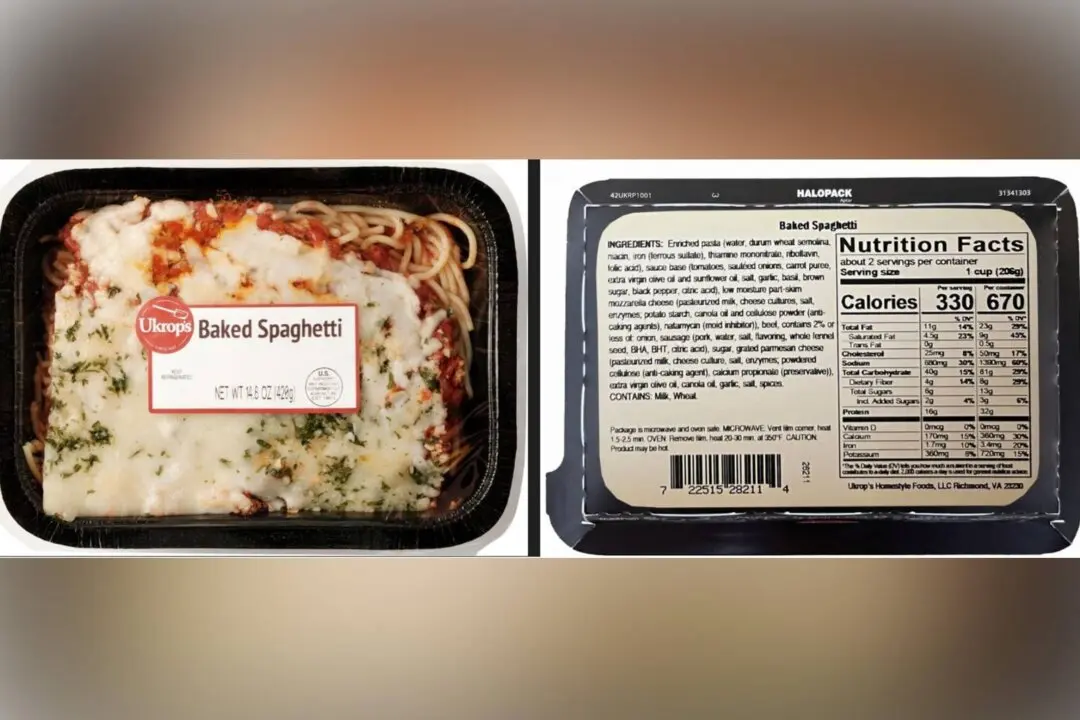
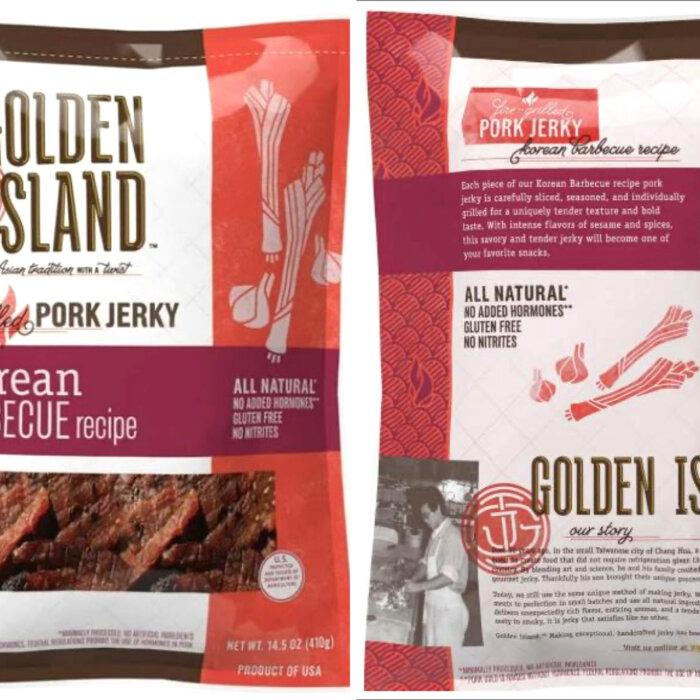
Multiple food products have been recalled in recent months due to contamination from metal pieces.
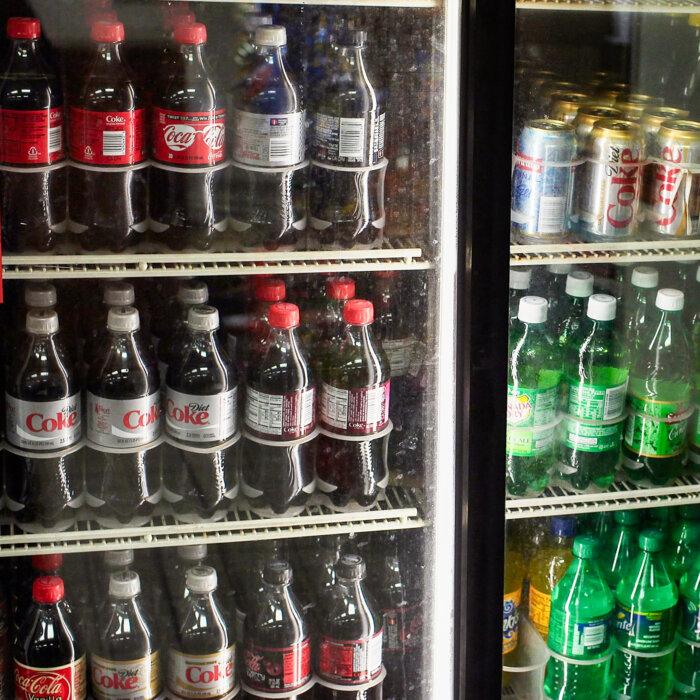
“We can confirm all recalled product has been removed from the market,” a Coca-Cola spokesperson said in a statement emailed to The Epoch Times.
“This action was taken out of an abundance of caution due to the potential presence of foreign material. The recall was limited to McAllen/Rio Grande Valley market. It was confined to Texas.”
Metal pieces that can get into food products via machinery and wires pose serious health risks, as people may need surgery to remove the fragments, it said.
The majority of food manufacturing equipment, tools, utensils, and plant structures are made of metal, pieces of which can end up in food items during the manufacturing process.
“Many foreign bodies occur in raw materials and intermediates because of improper processing, screening, cleaning, and sorting,” the study said.
“Metal pieces can get to the food because of improper employee personnel practices, such as not wearing protective clothing, wearing jewelry, or careless handling of metallic elements.
“Metal fragments may enter the food from the processing area from damaged sieves, with broken pieces of the sieve entering the food product, or pieces of metallic particles from baking trays, scraped from the surface by mechanical friction.”
While food companies have implemented measures to prevent metal contamination, they may not be up to mark in some cases.
Current metal detection methods employed in the food industry, such as magnetic separators and eddy current detectors, are “not reliable” for detecting austenitic stainless steel, it said.
Austenitic stainless steel has very low conductivity and non-ferromagnetic behavior, making detection very difficult, according to the study, which advocates replacing it with other steel types for easier detection.