A cancer vaccine utilizing messenger ribonucleic acid (mRNA) technology prevented skin cancer from recurring in a phase 3 clinical trial, companies that make the vaccine said on Aug. 19.
The trial participants were people who underwent surgery to remove skin cancer.
The vaccine also prevented cancer from spreading in the patients, Moderna and Merck said.
Melanoma is a type of skin cancer. About 112,000 new cases of melanoma are expected to occur this year, according to the National Cancer Institute, representing 5 percent of the new cancer cases in the country. Some 8,510 people are expected to die from melanoma.
The shot, known as intismeran, is designed “specifically for each patient based on the unique set of mutations within their tumor to train and activate the immune system to recognize and fight cancer,” the companies said.
It was given in combination with a drug called Keytruda.
“These Phase 3 findings represent a pivotal moment for the field of cancer research,” Moderna CEO Stéphane Bancel said in a statement. “For many years, the idea of creating an mRNA treatment designed specifically for an individual patient’s cancer was aspirational. We are now helping turn that vision into a reality.”
Georgina Long, the study’s principal investigator, said that the vaccine-drug combination “has the potential to establish a new treatment paradigm in the adjuvant melanoma setting, helping patients remain cancer-free for longer.”
Moderna and Merck said they plan to engage with regulatory authorities regarding the vaccine.
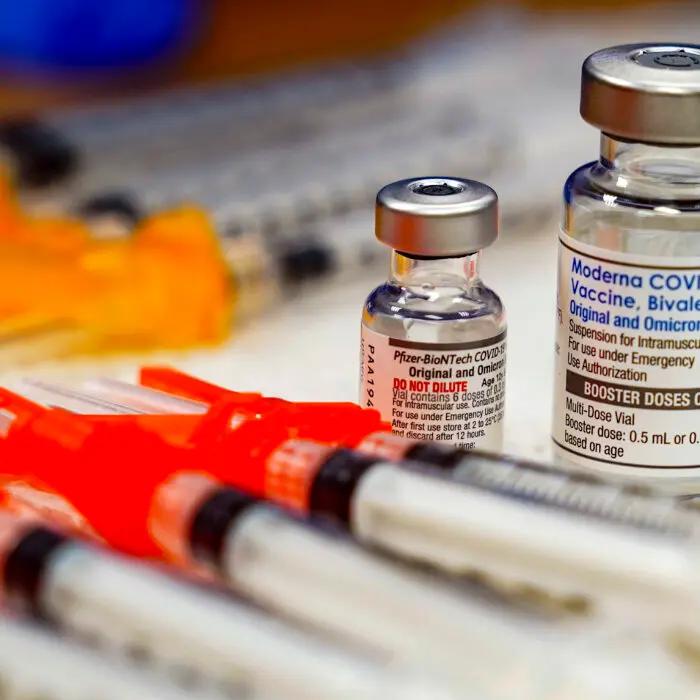
mRNA technology has become popular among vaccine makers since the first shots with the platform were cleared during the COVID-19 pandemic. In recent years, the U.S. Food and Drug Administration has approved mRNA vaccines targeting respiratory syncytial virus and influenza.

The intismeran trial involved 1,137 patients. Two-thirds received a dose of intismeran every three weeks, for up to nine doses, as well as Keytruda for about one year. The other volunteers received only Keytruda.
The primary endpoint was any disease recurrence or death from any cause.

The companies have not disclosed detailed results from the trial but said that patients who received intismeran were less likely to experience disease recurrence or death in an interim analysis.
Moderna and Merck said they plan to present the data at an unspecified upcoming international medical meeting and to share it with regulators.
A secondary endpoint, survival without cancer spreading to distant body parts, was also met.
The trial will continue, in accordance with its protocol, to evaluate other secondary endpoints, including overall survival.