Officials in South Carolina reported 27 more measles cases in the state as more than 250 people have been quarantined since October.
“There are currently 254 people in quarantine and 16 in isolation,” the state health agency said in a statement. More than 111 people have confirmed to have the measles, a highly contagious virus that is targeted in childhood vaccines.
Forty-three of the people who are in quarantine are students at Inman Intermediate School, it said.
Another 75 of the measles patients in the state are between the ages of 5 and 17, the health department said. It said that 105 of the patients are not vaccinated, three are partially vaccinated, one is fully vaccinated, and two have unknown vaccination statuses.
“Sixteen of the new cases resulted from the previously reported exposure at the Way of Truth Church in Inman, eight of the cases are household members of known cases, one resulted from a previously reported school exposure, one was from an exposure in a health care setting, and the source of exposure is unknown for one of the cases,” the Department of Public Health also said in its statement.
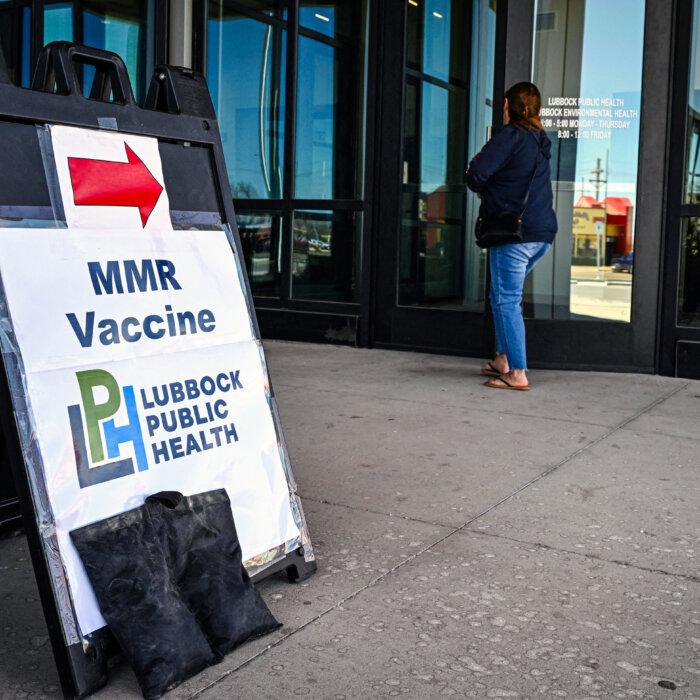
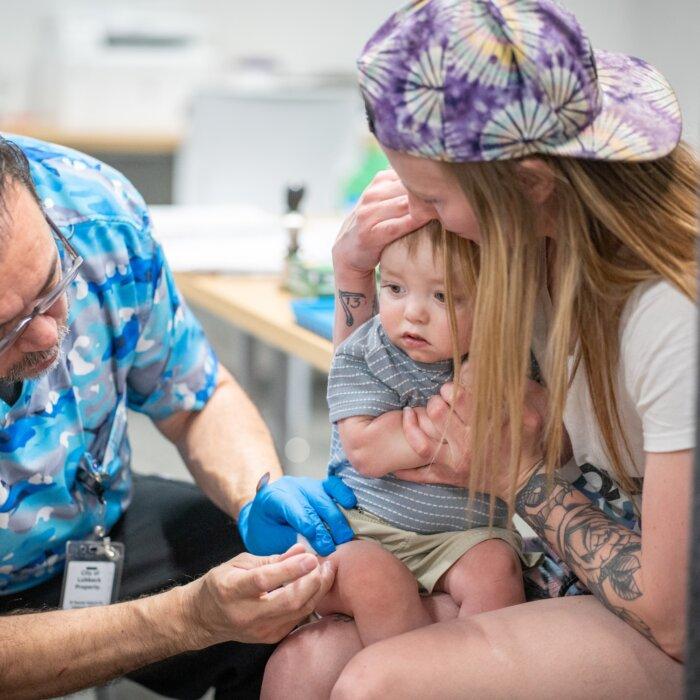
The health department said that people who were possibly exposed to the virus should inform a health care provider. It also said that to stop its spread, people who are confirmed to have the virus with mild illness or who are in quarantine to stay home so as to not expose measles to others.
“A person with measles is contagious from four days before the rash appears through four days after its onset, meaning people with mild symptoms can spread measles before they know they have the disease,” the agency said in the statement, adding that vaccines are “the best way to prevent measles and stop this outbreak.”
Measles Symptoms and Signs
Authorities say measles, a highly infectious virus, generally shows up in two stages. In the first, most people develop a fever higher than 101 degrees Fahrenheit, runny nose, watery red eyes, or cough.Three to five days after the first symptoms begin, the telltale measles rash starts to appear on the patient’s face near the hairline area before it spreads to the rest of the body, spreading downward.