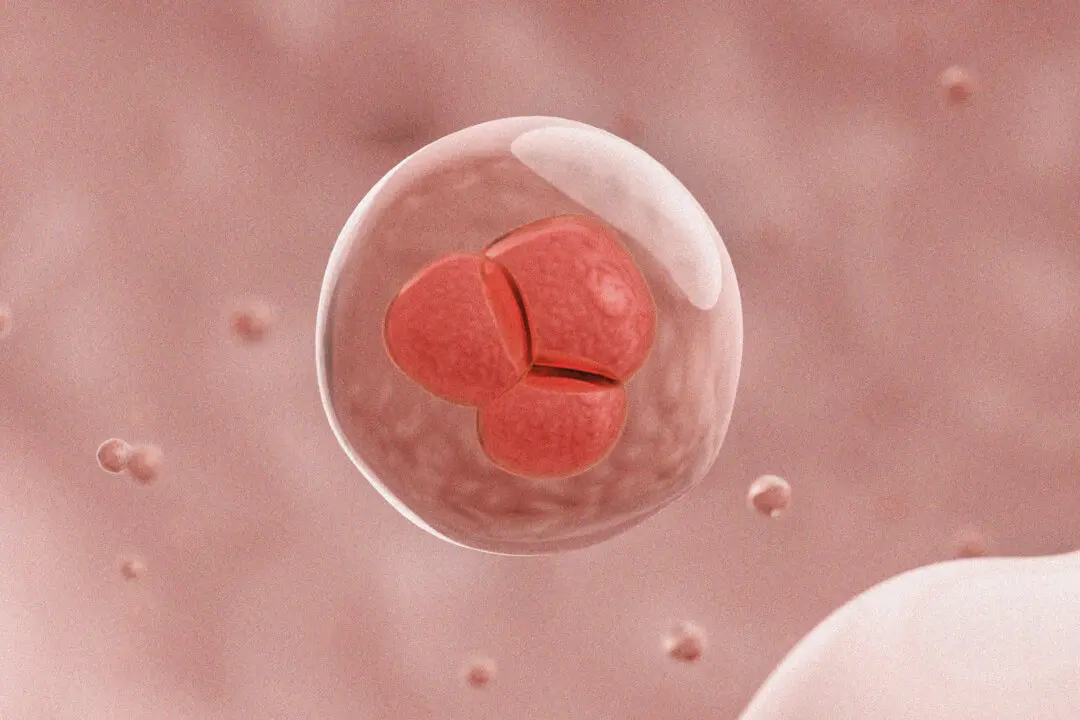
Tiny plastic particles were found in nine out of 10 prostate cancer tumor samples in a new study, with cancerous tissue containing more than twice the concentration of microplastics as nearby healthy tissue.
The findings are from a pilot study that examined tissue samples from 10 men who had their entire prostate removed because of cancer—a sample size researchers acknowledge is too small to draw firm conclusions from.
The findings have been recently presented at the American Society of Clinical Oncology’s Genitourinary Cancers Symposium.
Plastic in Cancerous Tissue
Researchers detected plastic particles in 90 percent of tumor samples and in 70 percent of noncancerous prostate tissue. On average, cancerous tissue contained about 2 1/2 times more plastic than healthy tissue—about 40 micrograms per gram of tissue, versus 16 micrograms in healthy samples.Special precautions were taken during analysis to avoid contamination, including the use of aluminum and cotton tools and clean-room conditions. The team focused on 12 common types of plastic molecules.
“Our pilot study provides important evidence that microplastic exposure may be a risk factor for prostate cancer,” Dr. Stacy Loeb, a professor of urology and population health at the NYU Grossman School of Medicine and study lead author, said in the statement.
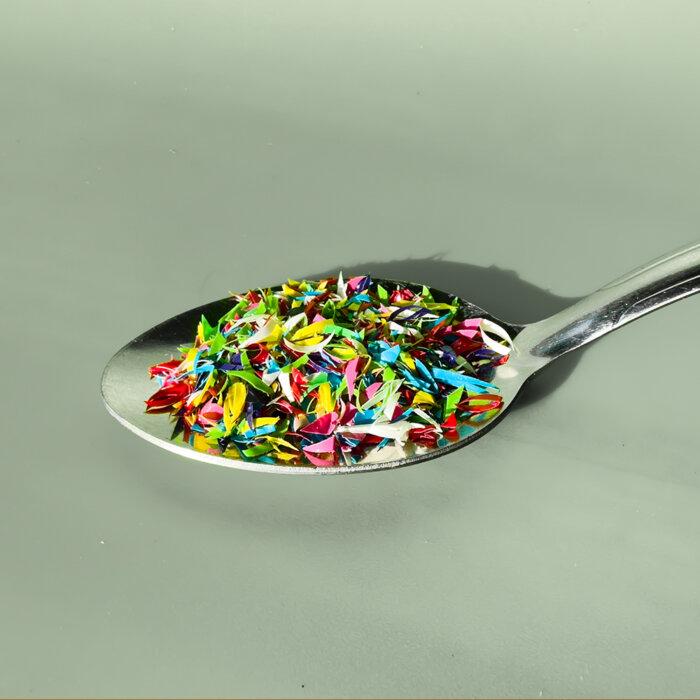
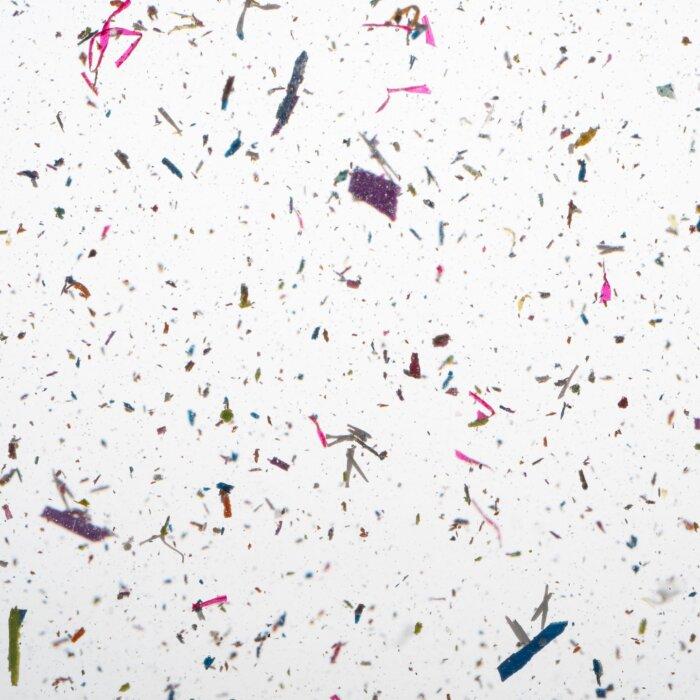
This is the first Western assessment of its kind to examine microplastic levels in prostate tumors and compare them with plastic buildup in noncancerous prostate tissue, she said.
Why Prostate Cancer Matters
Other than skin cancer, prostate cancer is the most common cancer among men in the United States, according to the American Cancer Society.Findings Are a ‘Red Flag’
Some physicians see the findings as a warning sign worth taking seriously.“This NYU study found 2.5 times more plastic inside the tumors than in the healthy tissue right next to them,” Dr. Joseph Mercola, a board-certified family physician, told The Epoch Times.
“That does not prove plastic caused the cancer, but it raises a serious red flag.”
Mercola has previously drawn scrutiny from federal health regulators over some of his public health claims, and was not involved in the study.
There are a few features of prostate cancer that suggest environmental exposures as a contributing factor, he noted.
“First, the prostate runs on hormones,” he said. It needs them to work properly.
“Microplastics are loaded with chemicals that mess with your hormones—specifically phthalates and bisphenols,” he said. “They are not locked into the plastic. They leak out. When they reach your prostate, they can throw off the hormone balance that keeps cells growing normally.”
Prostate cancer “almost always” shows up in tissue that is already inflamed, he said, and inflammation is the body reacting to repeated toxic exposure, such as that caused by exposure to microplastics.
“They stress your cells, hurt your mitochondria, and trigger the kind of long-term inflammation that gives cancer a foothold,” he said.
Dr. Nhan Nguyen, a physician and Houston-based attorney specializing in per- and polyfluoroalkyl substances claims, compared the news findings to the breaking news of an oil spill.
“Except this spill is chronic, affecting generations through our water, food, and everyday items,” he told The Epoch Times.
Others urge caution about drawing conclusions.
“This latest study is the same,” Chris DeArmitt, who holds a doctorate in chemistry and is the founder and president of the Plastics Research Council, a nonprofit that reviews plastic science, told The Epoch Times.
“They find plastic and no link to any health effects,” he said. “We are being frightened over nothing.”
DeArmitt wasn’t the only expert skeptical of the study findings.
This study is “hypothesis-generating, not practice-changing,” Dr. David Shusterman, a urologist at New York Medicine Doctors, and not involved in the study, told The Epoch Times.
- Maintaining a healthy body weight
- Exercising regularly
- Optimizing metabolic health
- Avoiding tobacco
- Limiting excessive alcohol
- Following appropriate prostate cancer screening guidelines