





Medicinal mushrooms have captured the attention of researchers, health enthusiasts, and medical practitioners because of their taste and remarkable therapeutic potential.
As consumer demand grows, so does the variety of products incorporating medicinal mushrooms. You can now find supplements, teas, coffee replacements, and other food products featuring three of the most popular medicinal mushrooms: cordyceps, reishi, and lion’s mane.
Each mushroom has a unique list of bioactive compounds, many with anti-inflammatory, anti-cancer, antioxidant, and immunomodulatory properties.
When choosing a mushroom-based supplement for a specific health benefit—whether to relieve stress, boost immunity, or improve energy—it’s important to consider which part of the mushroom to use, its bioactive compounds, and their therapeutic properties.
Therapeutic Properties
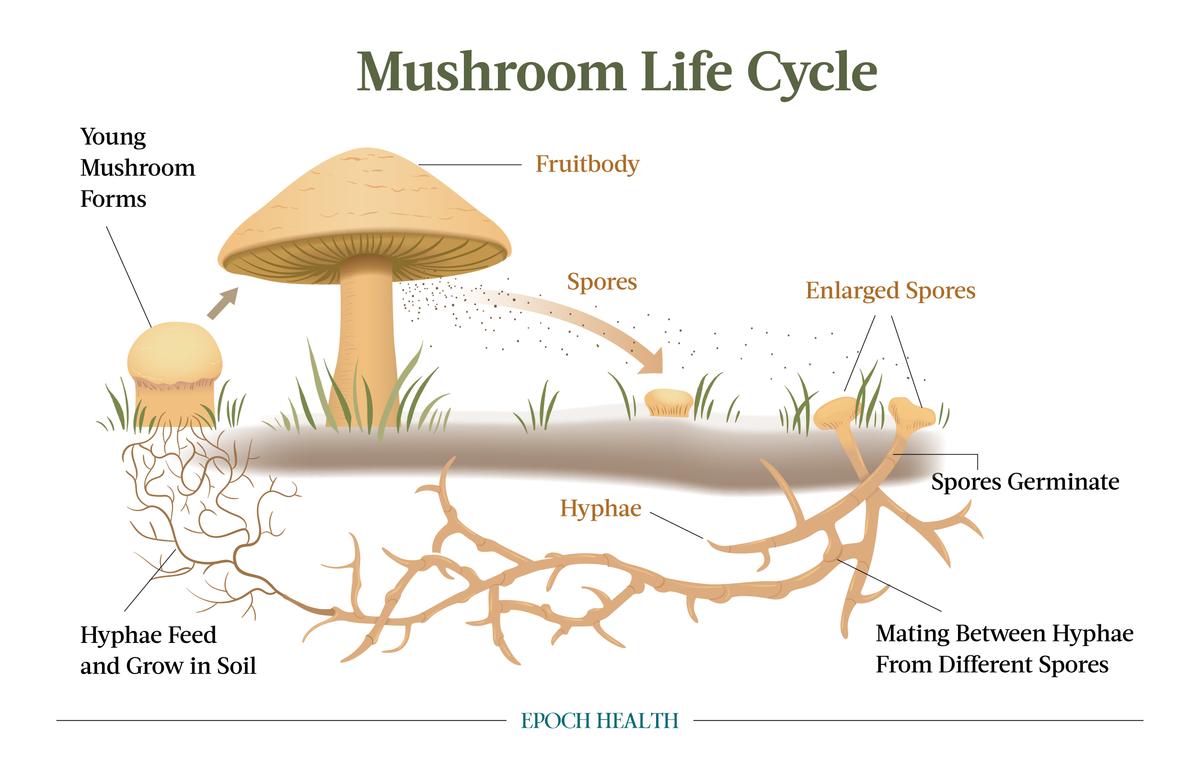
Mushrooms are a part of the fungal kingdom, which includes simple single-celled yeasts, complex fruiting bodies, and mold—all of which play crucial roles in our ecosystem. Fungi are a source of several major drugs, including antibiotics and statins. A mushroom has several parts, including the fruiting body, mycelium, and spores, and each has different properties.
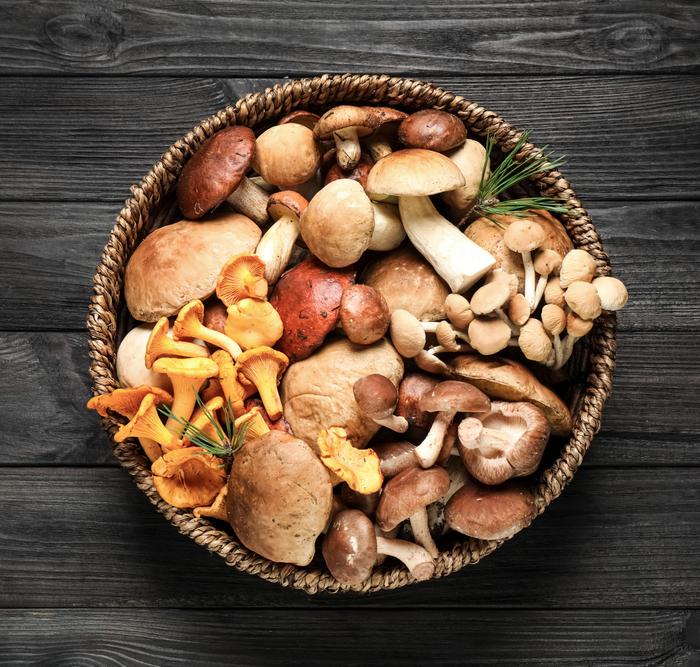

The fruiting body is the top of the mushroom, what most people call the mushroom cap, and is typically above ground.
Mushroom mycelium is the underground colony of branching structures similar to a plant’s roots. It consists of microscopic formations called hyphae that absorb nutrients from the soil and transport them to other parts of the mushroom. Mycelium enables the mushrooms to send and receive nutrients from one another to enhance survival. Some fungal species have extensive mycelium, such as the Armillaria, which has hyphae that can cover more than 1,000 acres in the right conditions.
The spores are the equivalent of seeds and are the mushroom’s reproductive organs. A single mushroom can generate billions of microscopic spores. These initiate the mushroom life cycle.
The therapeutic properties vary by mushroom part, so checking whether the label lists the fruiting body, mycelium, or both is important.
Although the fruiting body typically contains higher levels of therapeutic bioactive compounds, many commercial mushroom products are made from mycelium because it is quicker to get to an end product than waiting for the fruiting body to reach maturity and be harvested to make a supplement, Opienski said.
The structural complexity and bioactive compounds packed inside each type of mushroom play an integral role in its therapeutic effect on the body.
Mechanisms of Action
According to Martin Powell’s “Medicinal Mushrooms: A Clinical Guide,” there are about 14,000 species of mushrooms. About 5 percent are known to produce compounds with widespread physiological activity and therapeutic benefits.
The medicinal properties come from these bioactive compounds that vary in content from one mushroom to another.
Beta-Glucans
The most significant bioactive compounds in mushrooms are beta-glucans, which are polysaccharides (complex carbohydrates) characterized by their ability to modulate the immune system. Beta-glucans have anti-inflammatory, metabolic, and gastrointestinal effects.
The molecular structure of beta-glucans can vary widely in shape and size, depending on the species and what part of the mushroom they come from. Different beta-glucans found across the fungal kingdom can have a variety of effects on the human body.
Triterpenes
Triterpenes are a class of compounds that are alcohol soluble and responsible for mushrooms’ antiviral, anti-inflammatory, and even hypnotic properties.
Sterols
Ergosterol is also a precursor to vitamin D, so when a mushroom is exposed to the sun for long periods, it increases the vitamin D content, which is why some vitamin D supplements are made from mushrooms.
Statins
3 Remarkable Medicinal Mushrooms
Three mushrooms are in high demand because of their remarkable medicinal properties: cordyceps, reishi, and lion’s mane. These mushrooms have medicinal effects, but also possible side effects for people taking medications. You should discuss any supplements, including medicinal herbs and mushrooms, with your health care provider before taking them.
1. Cordyceps
“It gives you an extra gear,” Rogan said.
About 750 species of cordyceps originate from China’s high-altitude regions.
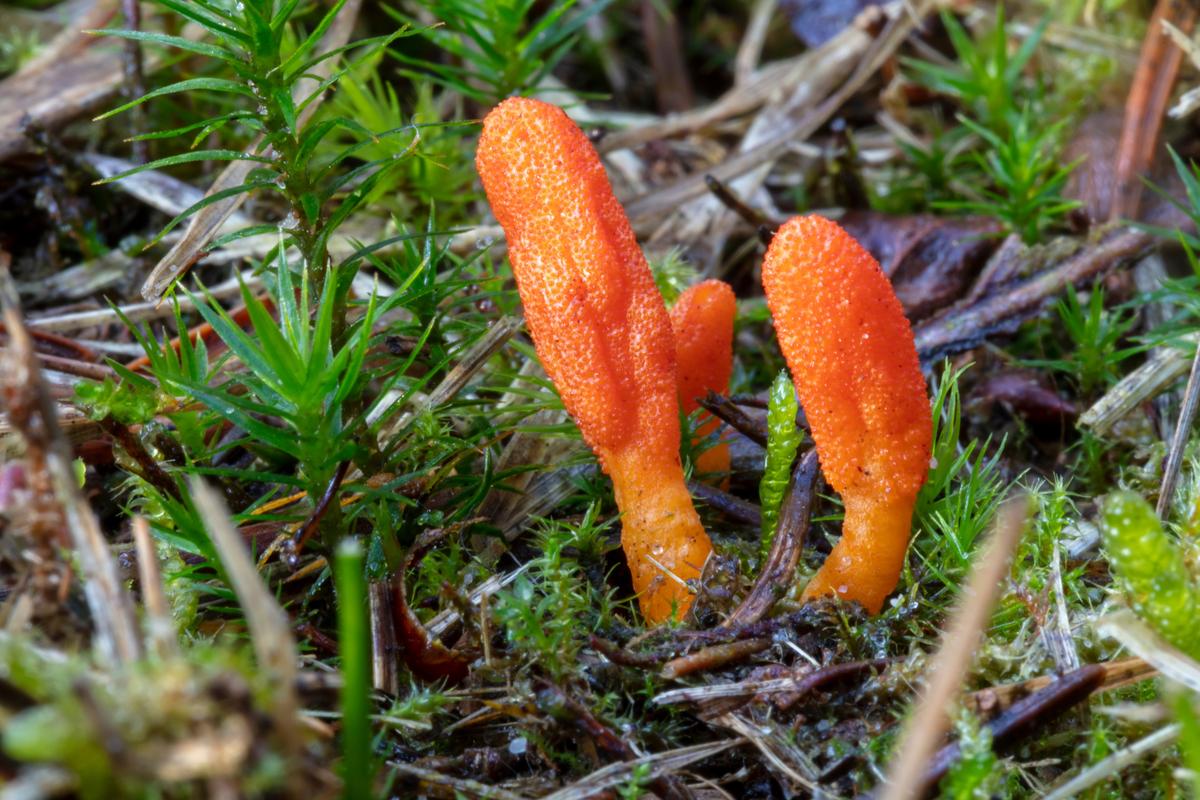
Cordyceps are unique because they begin as spores, with some of them infecting and growing inside various insects. Eventually, these mushrooms kill their hosts and start sprouting through the remains.
Cordyceps sinensis (O. sinensis), also known as caterpillar fungus, parasitizes the ground-dwelling ghost moth larva to begin its life cycle, technically making it a parasitic fungus rather than a mushroom.
Genuine O. sinensis, cultivated by parasitizing ghost moth larvae, is found exclusively on the Tibetan Plateau.
Cordyceps Health Benefits
Because O. sinensis is not readily available, the following references to Cordyceps pertain to Cordyceps militaris.
Cordyceps Risks and Side Effects
2. Reishi
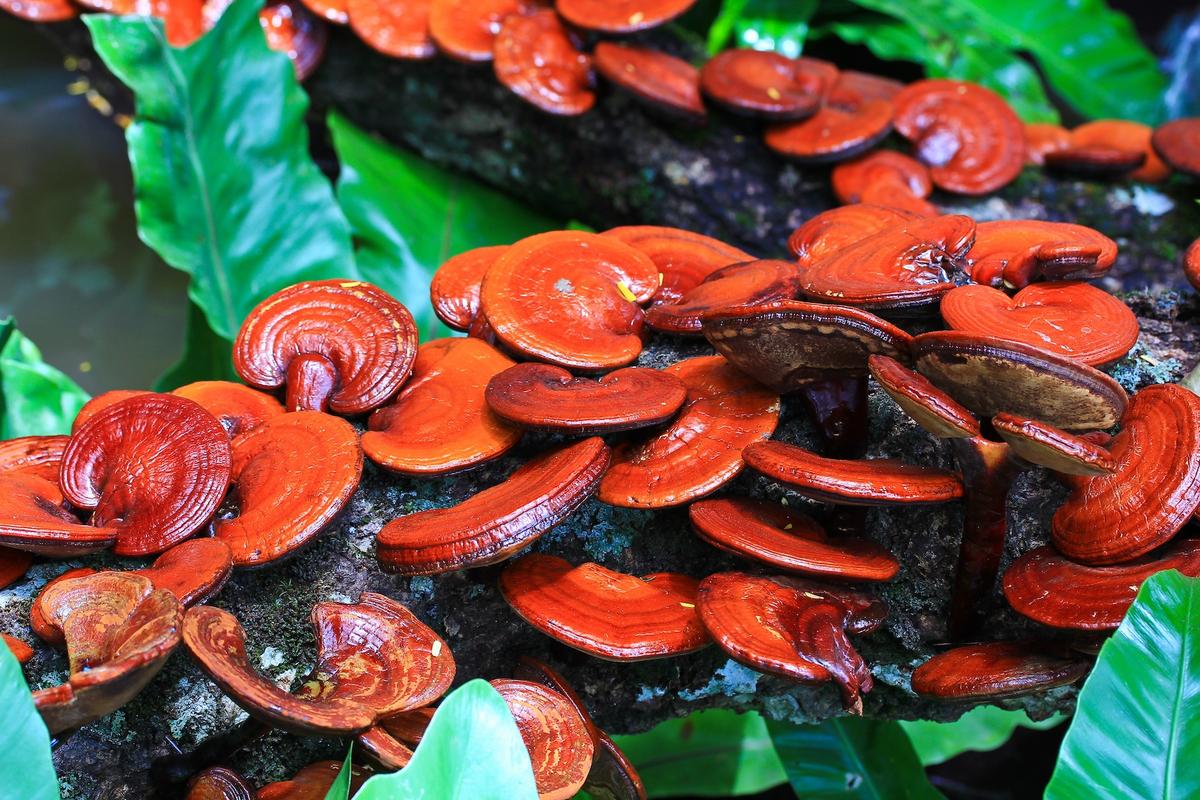
Reishi’s scientific name, Ganoderma lucidum, refers to its shiny, fruiting body—“gano,” meaning shiny, and “derma,” meaning skin.
It usually grows on the side of dead or decaying trees in a shelf-like manner. Reishi produced for supplements is cultivated on natural or synthetic logs in controlled conditions.
Reishi Health Benefits
Reishi’s health benefits result from the high beta-glucans, triterpenes, and sterols packed into its cell walls. Extracting these three compounds from the mushroom isn’t easy. They can’t be extracted through eating because they are locked inside the cell walls, so they must be removed with either hot water or alcohol.
The reported health benefits of reishi are impressive, making it one of the world’s most commonly used medicinal mushrooms. Scientists continue to research the mechanisms that make it so powerful. Although it has many potential benefits, such as lowering cholesterol, blood glucose, and high blood pressure, reishi is best known for its other properties.
According to Opienski, reishi is one of the most potent mushrooms for regulating the immune system—dialing it up when it needs to be dialed up, and calming it down when it needs to be calmed down. It’s also known as a nervous system balancer and has been used for millennia in traditional medicine for sleep, stress, anxiety, and depression. “It’s one that is kind of known for calming the nervous system and helping to slow down or reduce the stress response,” she said on the podcast.
Opienski also said that reishi is considered the mushroom of eternal youth because of its potent anti-inflammatory and antioxidant properties.
“Oxidation and inflammation are two of the things that cause cellular aging,” she said, noting that reishi could help to prevent these.
Although all mushrooms possess adaptogenic properties, reishi is one of the best-known adaptogens, which is a plant or mushroom that helps the body adapt to stress and calm down. If someone is anxious or overstimulated, taking reishi may help to calm down their nervous system.
Opienski said that because of its anti-inflammatory effect, reishi can help treat either an enlarged prostate or prostate cancer.
Reishi Risks and Side Effects
People taking anticoagulants should use caution when using reishi products because of the increased risk of bleeding. Reishi can also increase the immune response, so people taking immunosuppressants should talk to their health care provider before taking it.
Reishi can also lower blood pressure, so taking it with medication for hypertension may cause blood pressure to go too low.
The same goes for anti-diabetic medications; Reishi may cause blood glucose levels to go too low.
3. Lion’s Mane
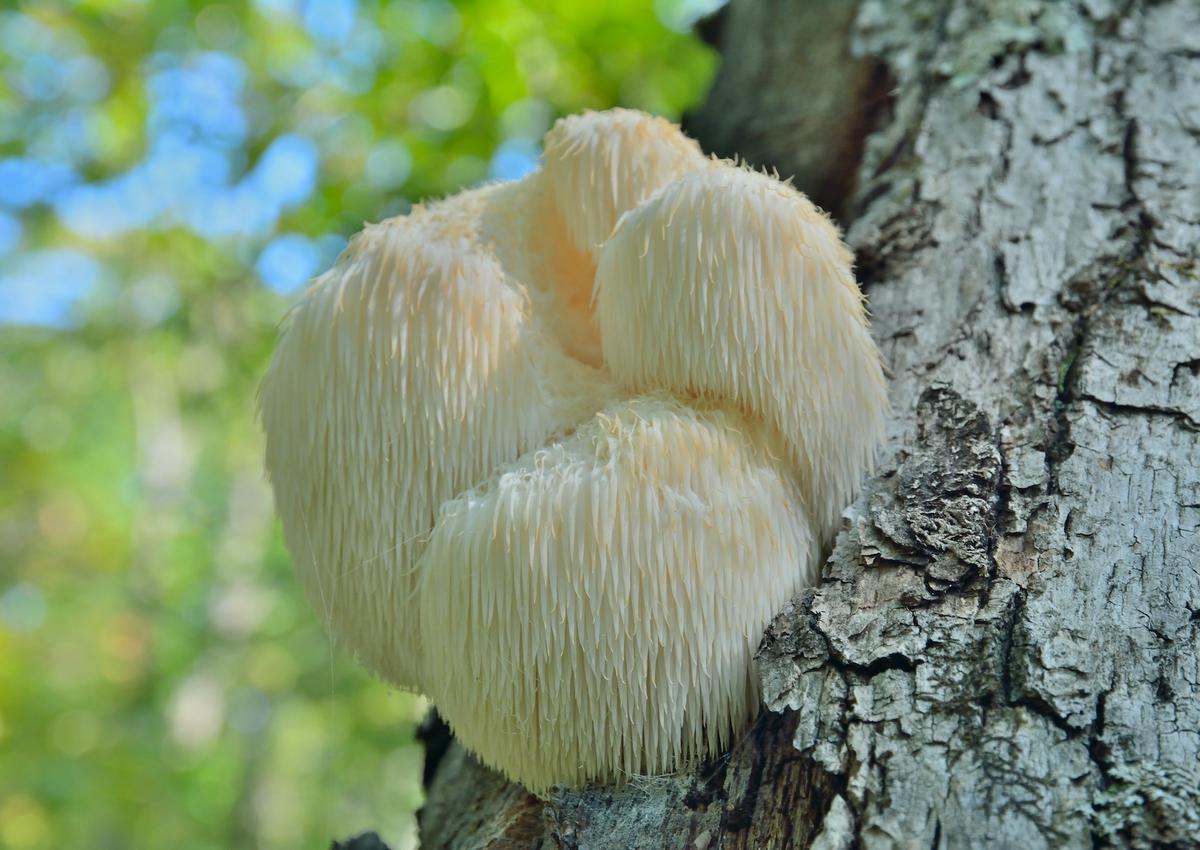
Lion’s mane (Hericium erinaceus) isn’t the typical mushroom with a cap and stem. Instead of gills that release spores, it has what look like “teeth.” It grows on dead trees or logs and is relatively common to find when walking around in the woods during the late summer and fall.
Research shows that lion’s mane has unique bioactive compounds with several health benefits.
Lion’s Mane Health Benefits
Two bioactive compounds exclusive to lion’s mane, hericenones and erinacines, help to support brain health, the immune system, and the digestive tract. Traditionally, lion’s mane was known for improving digestive health by preventing the bacteria that cause gastric ulcers, but recently, it has become better known for its potential benefits to the brain.
1. Potential Brain Benefits


2. NGF and the Gut-Brain Axis
NGF isn’t limited to neurological health. It plays a significant role in regulating several systems within the body, and its deficiency can be associated with heart disease, Type 2 diabetes, and other inflammatory diseases.