Long-term marijuana smoking and tetrahydrocannabinol (THC) edible use may harm the blood vessels as much as tobacco, a new study suggests. The research indicates that cannabis users might face an increased risk of heart disease, even if they are otherwise healthy.
Both smoking and eating cannabis caused the blood vessel linings to not work as effectively, even in otherwise healthy adults who never used tobacco, researchers at the University of California–San Francisco found.
Different Methods, Same Damage
For the estimated 17.7 million Americans who use marijuana in some form every day, according to polling data, the study raises important questions about long-term health risks that remain largely unstudied.Springer said they had a good reason for the relatively small number of participants.
“We were very picky,” he said. “The study is very clean in that our cannabis user groups have never been tobacco smokers/vapers, and tend to avoid secondhand smoke. The marijuana smokers only smoke marijuana and don’t vaporize it or vape THC, and our THC edibles group avoids all smoke.”
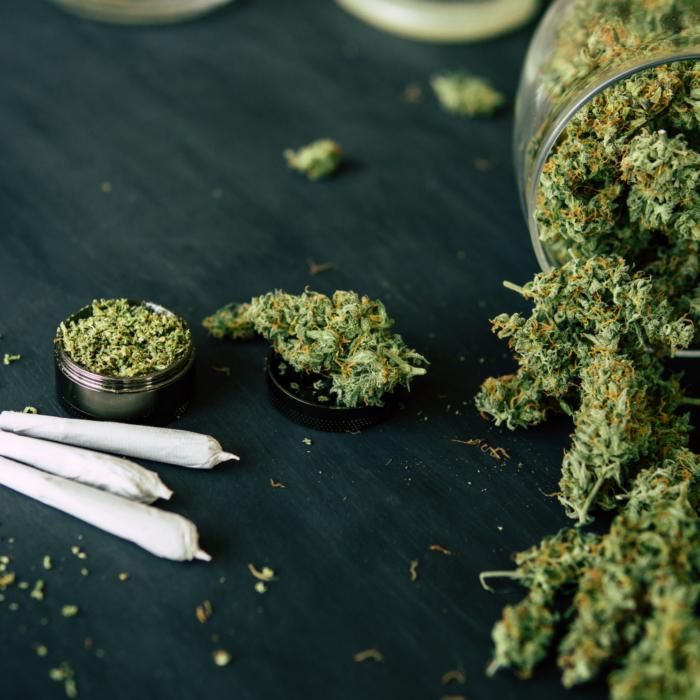
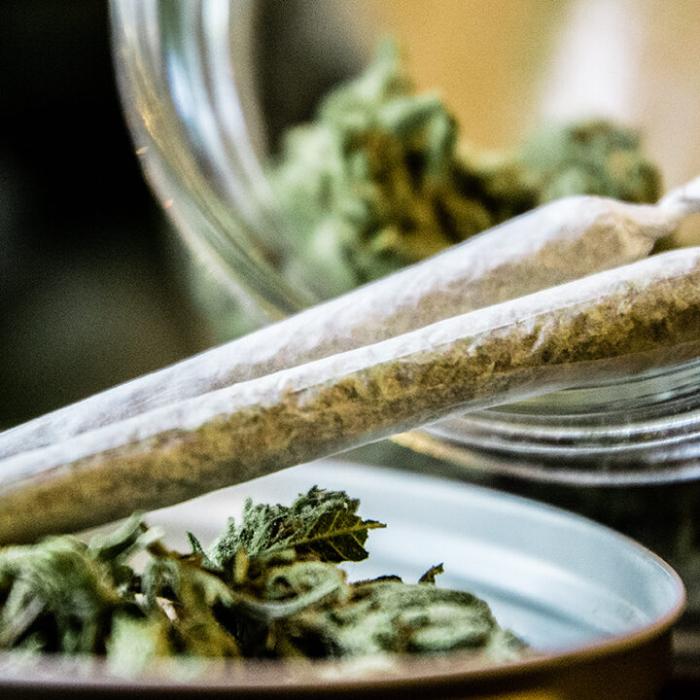
Smoked or Eaten: Same Effect, but for Different Reasons
While smoking marijuana and eating edibles both harmed blood vessels in the study, researchers noted that they likely did so for different reasons.Marijuana smokers showed reduced production of nitric oxide, a compound that helps blood vessels stay healthy. This effect was not seen in edible users, although their blood vessels sustained similar vascular damage.
Other measures of blood vessel health, such as arterial stiffness, did not differ among the groups.
For cannabis smokers, Springer said he believes that smoke is the culprit for their blood vessel damage.
For edible users, the mechanism remains unclear, although the damage is equally real.
Springer emphasized that the bottom line is that smoking marijuana does not appear to avoid the harmful vascular effects of smoking tobacco, and neither does frequent use of THC edibles. He noted that the study had some limitations, including variability in cannabis strains and self-reported use, which could affect results.
Public Policy Implications
The study findings come as cannabis legalization spreads nationwide, raising questions about public health messaging and regulation.The study contributes to a growing body of evidence linking heavy cannabis use with adverse cardiovascular outcomes, according to Dr. Ryan Sultan, assistant professor of clinical psychiatry at Columbia University Irving Medical Center, who studies and treats cannabis use disorders. Sultan was not involved in the study.
“As with early tobacco research, such epidemiological findings could support more precautionary cannabis regulation—especially with respect to labeling, public health messaging, and restrictions on high-potency or inhaled products,” he told The Epoch Times.
He compared the situation to early tobacco research, noting that such findings historically led to warning labels, public smoking restrictions, and enhanced health surveillance.
Avis Bulbulyan, CEO of SIVA Enterprises, a national cannabis holding company, called the sample size of 55 people inadequate for drawing medical conclusions. He argued that with fewer than 20 cannabis smokers in the study, the findings should not drive policy decisions.