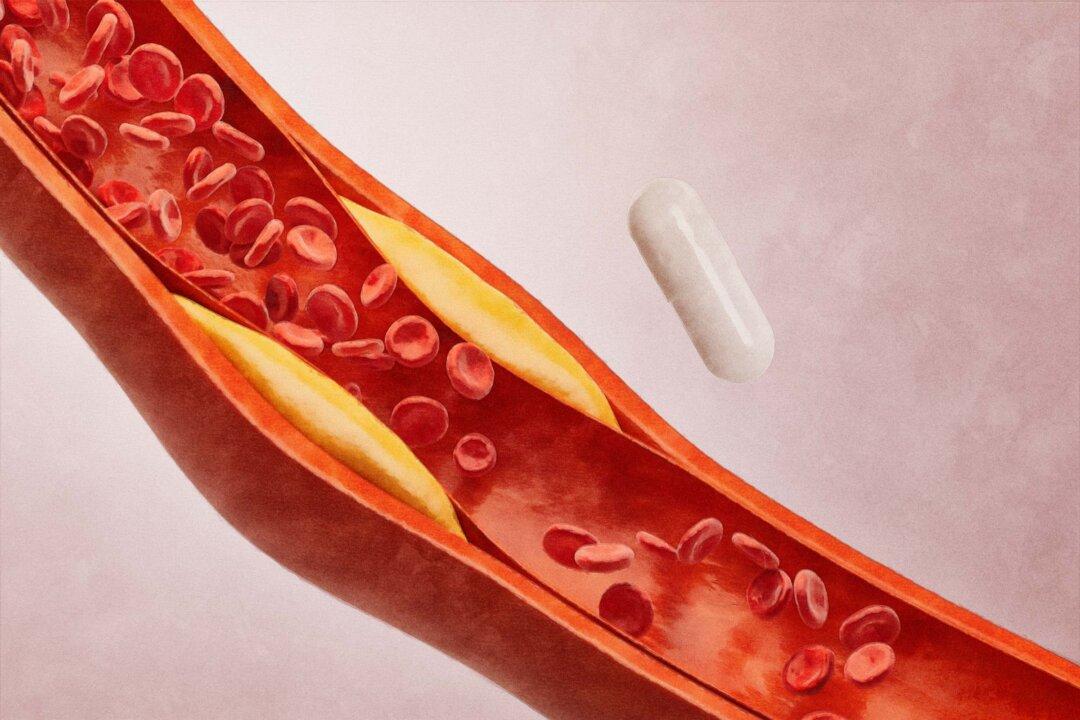
People who eat low-fiber diets face a much higher risk of developing dangerous plaque buildup in their heart arteries, according to new research on more than 24,000 adults.
Diet’s Direct Impact on Heart Disease Risk
The Swedish CArdioPulmonary bioImage Study tracked 24,079 adults ages 50 to 64 from 2013 to 2018. All participants were free of cardiovascular disease at the start. Researchers used advanced heart imaging to investigate the presence and type of plaque in coronary arteries.Of the 8,344 participants with the least-healthy diets, some form of artery change was observed in 44 percent of them, compared with 36 percent of the 6,139 people with the healthiest diets. Serious narrowing of the arteries and high-risk plaques were 1.6 times more common in the least-healthy diet group.
The study evaluated eating habits using a dietary index. Participants with high scores ate more whole grains, fiber-rich foods, vegetables, fruits, nuts, and vegetable oils, while those with low scores ate more red meat, processed foods, sugary drinks, and snacks.
Fiber Absorbs ‘Bad’ Cholesterol
The study’s findings suggest that what people eat affects both the development and composition of the plaques, which are fatty deposits that can lead to heart problems. Researchers believe that diet-related inflammation is, at least partially, why plaques develop.

Janelle Bober, a dietitian at Dietitian Live, and not involved in the study, told The Epoch Times that there is a “clear link” between low-fiber diets and arterial plaque and development of cardiovascular disease.
“We know that low-fiber diets and diets that are high in red meat, processed meat, or highly processed foods increase your risk of coronary plaques by 1.6 times,” she said. “This can also lead to 50 percent narrowing of your arteries, which is significant.”
Dr. Jason Itri, founder of Longevity Health Clinic, and not involved in the study, noted that low-fiber diets are associated not only with metabolic issues such as insulin resistance and weight gain, but also with cardiovascular risks.
Overall Diet Is Most Important Factor
Although the study didn’t explore how the changes happen, researchers said that diet as a whole is key.“There is no single foodstuff that determines health, but rather the overall dietary pattern,” Ingrid Larsson, nutritionist and associate professor at the University of Gothenburg, said in a statement.
Researchers noted that a major strength of their study was that it was based on a random sample of middle-aged people without a diagnosis of cardiovascular disease, making the results applicable to a broad population.
How Much Fiber Do We Need?
Most Americans eat well below recommended fiber levels.“Aiming for at least 30 grams daily from diverse sources, including fruits, vegetables, legumes, and whole grains, can significantly improve heart health and reduce cardiovascular risk,” Itri said.
Practical Tips for Heart-Healthy Eating
Bober offered practical tips to improve diet and support heart health.Base Meals Around Plants
Aim for five servings of fruits and vegetables per day, include beans and lentils regularly, and incorporate nuts into your diet.Avoid Red and Processed Meat
Instead of red and processed meats, we should choose proteins such as fish, beans, and poultry to improve our lipid profiles, Bober said.Cut Added Sugars
“Limit sugary drinks and snacks with added sugars like sodas and ultra-processed foods, as these can increase inflammatory risk,” Bober said.She pointed to established dietary patterns such as the Mediterranean diet, the Dietary Approaches to Stop Hypertension diet, and other “plant-forward” diets, which can support lower cardiovascular risk and plaque incidence.