An interstitial cystitis diet may be the answer for many people who suffer from interstitial cystitis. Although research into the painful bladder health problem is ongoing, some evidence seems to suggest that in certain situations, food choices can prevent interstitial cystitis symptoms naturally. In other words, without aggressive, conventional drug intervention.
Interstitial Cystitis Prevention Diet: Foods to Eat and Foods to Avoid
It is important for us all to get a well-balanced diet, but it seems there are foods to eat and foods to avoid with painful bladder syndrome. It is true that not everyone is the same, yet there is an IC food list consisting of what you could call common offenders. Check out the list of beverages and foods below. These could be foods that cause interstitial cystitis to act up.- Coffee
- Black, green, and herbal tea
- Most fruit juices
- Carbonated drinks
- Alcohol
- Tomatoes
- Lemons and limes
- Grapefruits
- Vinegar
- Chocolate
- Artificial sweeteners
- Citric acid
- Most preservatives
- Most spices
Interstitial Cystitis Diet: Food List
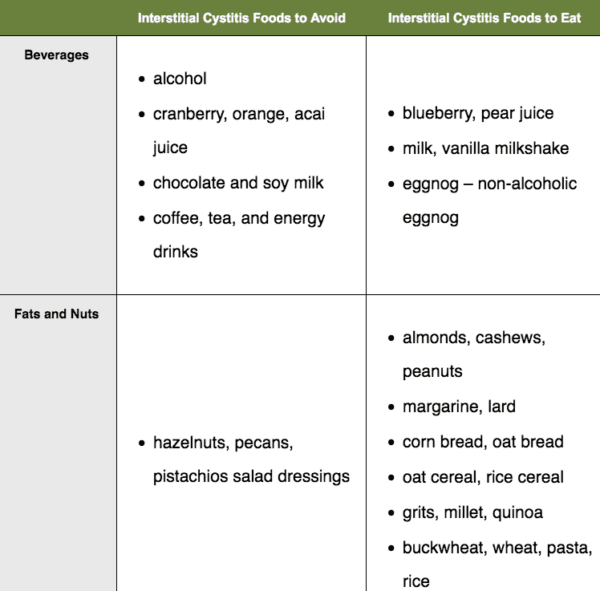
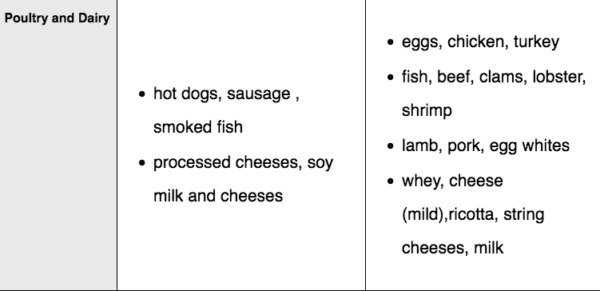
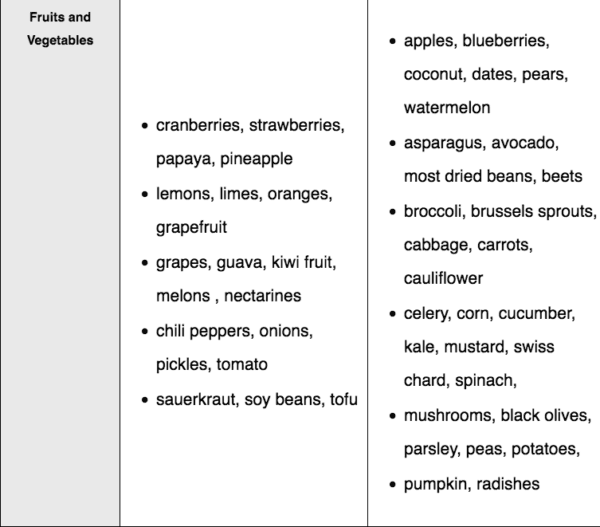
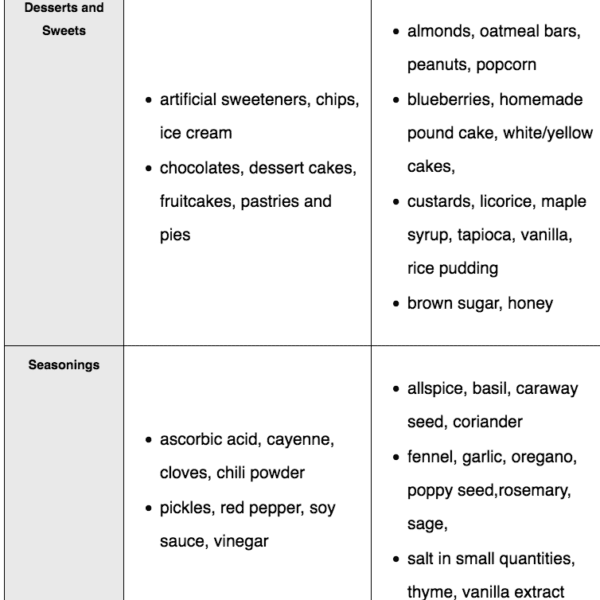
Common Food Triggers for Interstitial Cystitis
While we have briefly touched on an IC food list and diet changes for painful bladder syndrome, sometimes sufferers don’t think about some of the more hidden triggers. For example, many people have reported that the following substances cause symptoms of pain and urinary urgency.- Artificial food colorings
- Artificial food flavorings
- Foods with yeast
- Foods high in sugar
- Gluten
Interstitial Cystitis Diet List Tips
While certain foods seem to aggravate symptoms of interstitial cystitis, there also appear to be specific foods that help with IC or are certainly less troublesome in many cases. According to the IC network, some of the following can be worked into an interstitial cystitis diet:- Low-fat milk
- Bananas, blueberries, honeydew melon, and pears
- Broccoli, brussels sprouts, carrots, celery, peas, cucumber, and mushrooms
- White potatoes, sweet potatoes
- Turkey, beef, pork, and lamb
- Shrimp, tuna, salmon
- Oats, rice
- Pretzels and popcorn
Recipes to Deal With Interstitial Cystitis Symptoms
As you can see, a balanced diet can be a challenge for some people who suffer from IC. There are some recipes to keep the diet interesting, though. Below you will find two examples of delicious, but easy IC recipes.Bean and Rice Wrap
Ingredients:
- 1 package of wraps, large or small size
- 1 cup of uncooked rice
- 1 can of black beans
- 1/2 an onion (or substitute green onions)
- 1 cup of organic chicken/vegetable stock
- 1 teaspoon of dried oregano, basil, cumin, salt
- 2 cloves of garlic
- Grated cheese as per your liking
Directions:
Put the rice on to cook.Drain the beans and rinse well.
Dice the onion and garlic.
Add the onion, beans, garlic, spices, and stock all into a medium-sized pan.
Bring to a sizzle and then cook on medium-low with a lid for about 10 minutes. Mash the beans down with a spatula or masher.
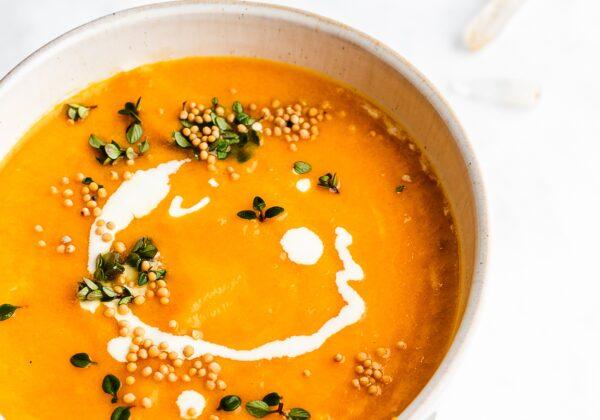
Curried Carrot Soup
Ingredients:
- 1 tablespoon canola oil
- 2 teaspoons curry powder
- 1 medium garlic clove minced
- 1 (half-inch) piece of ginger minced
- 1/2 medium onion chopped
- 1 pound of carrots peeled and chopped into quarter-inch pieces
- 1 medium bay leaf
- 2 1/2 cups vegetable broth
- 1/2 canned coconut milk (use the light version)
Directions:
Heat the oil in a medium pan over medium heat. When it begins to shimmer, add the curry and garlic and cook for about 1 minute or until fragrant.Add the ginger, onion, carrots, bay leaf, and broth, and bring to a boil. Then simmer for about 20 minutes or until the carrots are soft. Remove the bay leaf
Puree the soup
Add the coconut milk and adjust the seasoning to taste if desired.
These are just a couple examples of IC recipes. You can likely find more on the web, in diet-specific cookbooks, or by reaching out to dieticians and nutritionists.
Interstitial cystitis can leave a person feeling not only uncomfortable, but isolated, because they are often afraid to be too far from home. There is the issue of having to be near a washroom due to frequent urination and the concern that pain will kick in at any minute. Knowing what triggers the symptoms, how to eliminate those triggers, as well as how to maintain a balanced diet, could be a way to make life more enjoyable and free.