It’s shocking yet not unexpected because China, over the past three years, has unfortunately cultivated fertile ground for viruses to thrive. A viral outbreak needs three factors: sources of infection, routes of transmission, and a susceptible population. In China’s unique geopolitical environment, these three conditions are fully met.
Since the virus outbreak, China has claimed to have very low or zero COVID cases and deaths. However, the Chinese regime does not transparently provide data, and the rest of the world has no way of confirming the actual number of COVID cases in China.
There may have been hidden outbreaks in China during the past years, and there could already be multiple SARS-CoV-2 variants plaguing the country.
A sudden reversal of the zero-COVID lockdown, coupled with a high-density population, makes for perfect routes of transmission and presents big challenges for vulnerable populations.
For three years, Chinese people have been under the equivalent of “house arrest” or in even worse situations. The lack of medication and necessary medical care, plus the Chinese regime’s high-pressure governing, have affected the population’s emotional and mental health, weakening people’s immune systems, and making them more susceptible to viruses.
Meanwhile, the more susceptible the population, the more likely variants causing more severe diseases can be generated.
During the past years, a vicious cycle of viral mutations and weakened immunity could have incubated the current surge of viral outbreaks in China. Therefore, it is not totally unexpected that COVID-19 is spreading like a tsunami in China.
People Are Not Equal When Exposed to the Virus
The 1918 pandemic (known as the Spanish Flu) is considered the worst pandemic of the 20th century, killing between 20 and 50 million people worldwide.Mucus from the noses or throats of flu patients was dropped in the healthy volunteers’ eyes, noses, and mouths.
The ethics of this experiment are beyond the scope of this article, but the outcome is worth mentioning.
None of the 62 participants became infected by the flu virus. The only person who got infected—and died—was a doctor who conducted the trial.
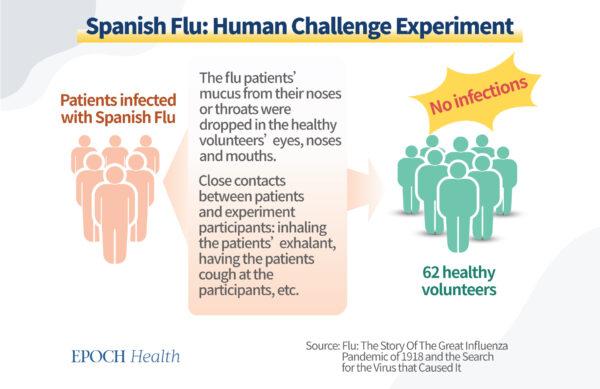
The experiment tells us that people are not equal when exposed to viruses. Although given the same exposure to the virus, the internal environment—the antiviral capacity of the immune system—can determine the fate of whether one will be protected or infected.
As mentioned earlier, a variety of circumstances have likely weakened the Chinese people’s immune systems. When immunity is severely weakened, the mutated viruses can invade from the nose to the throat, to the trachea, to the bronchi, and finally to the lungs, causing severe symptoms, such as the “white lung.”
SARS-CoV-2 RNA Can Hide Inside the Body Like a Ticking Time Bomb
Unlike the influenza virus or the Hepatitis A virus, SARS-CoV-2 is not easily cleared from the human body. The RNA of the virus can still be detected months after a person has recovered.According to the central dogma of molecular biology, the genetic information goes from DNA to RNA (termed “transcription”), then RNA to protein (termed “translation”).
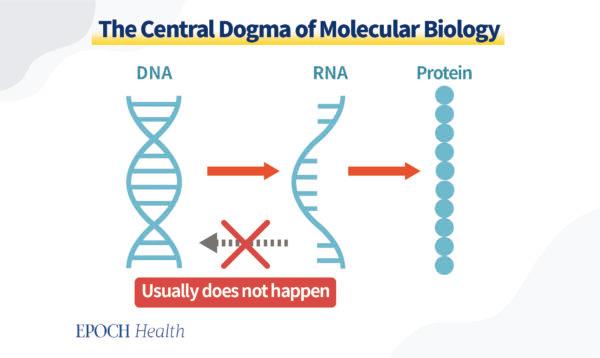
Scientists at the Massachusetts Institute of Technology discovered that SARS-CoV-2 RNA could be reverse-transcribed and integrated into the genome of the infected cells. That is one of the reasons patients can continue to produce viral RNA after recovery from COVID-19.
Exons are the part of the genome that expresses the proteins. It appears that 29 percent of the virus’s RNA goes into exons, suggesting potential changes in our immunity and other cellular functions.
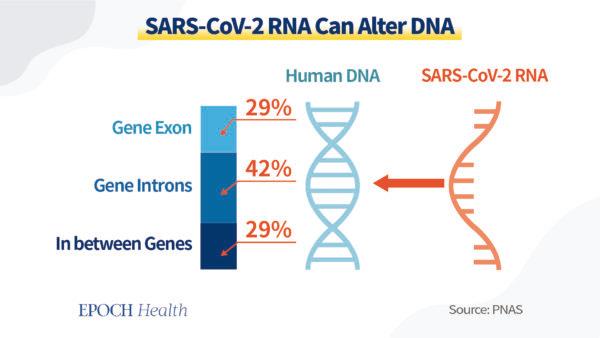
The viral RNA inside human bodies is like a time bomb. When one’s immunity is strong enough, the body’s cells will eradicate the virus components immediately, giving them no room to materialize. However, when a person’s immune system is compromised, the virus can replicate itself inside the body’s cells, thus being reactivated.
Serious Safety Issues Exist With China’s Inactivated COVID Vaccines
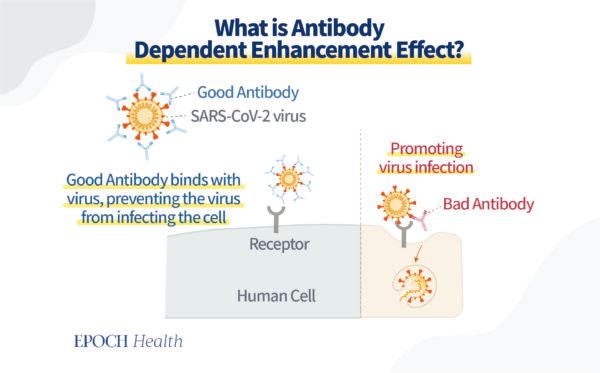
There are good antibodies and bad antibodies.
A virus infects a healthy cell by binding its surface protein and the receptors on the healthy cell. Good antibodies kill the viral surface proteins. Bad antibodies bind to viral surface proteins, thus promoting viral invasion into healthy cells. This effect is called antibody-dependent enhancement (ADE).
Scientific research has proven the existence of ADE in coronaviruses such as SARS-CoV and MERS-CoV. SARS-CoV-2 shares the same viral receptor and similar genome sequence with SARS-CoV; thus, ADE may exist in SARS-CoV-2.
The existence of ADE indicates a potential risk in the vaccine application.
Zero-COVID Policy Caused Chronic Fear and Stress, Weakening People’s Immunity
In a previous article, I reported on a study using an animal model to research the health impact of chronic fear and stress caused by repeated social interaction: a group of smaller, weaker rats was put into the cage of stronger, aggressive rats.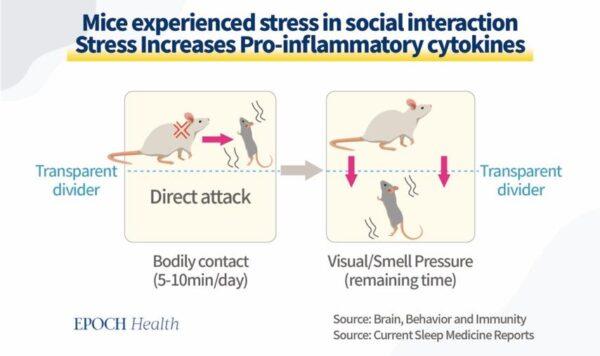
The researchers found that the weaker rats not only had psychological stress but also presented a biased, increased level of T-helper type 2 cells in the body and increased pro-inflammatory cytokines. These lead to chronic inflammation.
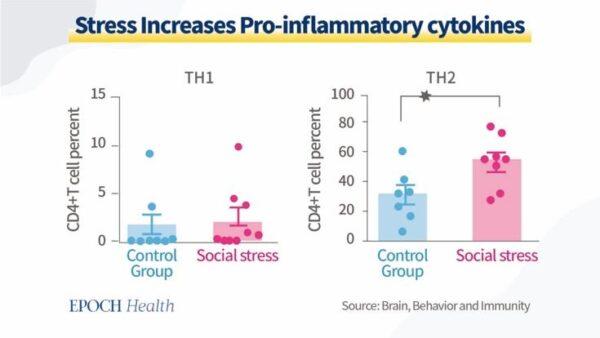
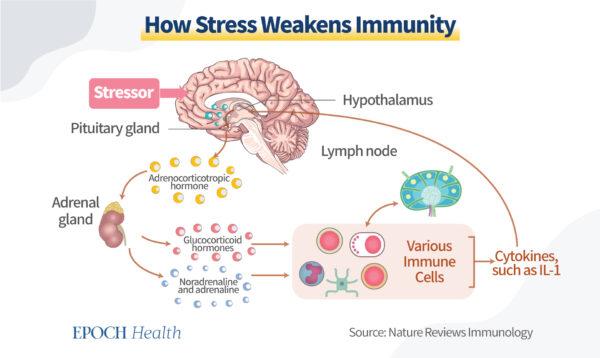
In summary, when pivotal immune cells (including T-cells and natural killer cells) are weakened, the body’s antiviral immunity decreases, making people vulnerable to viral and bacterial infections.
Depression can also increase the production of pro-inflammatory cytokines, leading to a chronic inflammatory state. These cytokines can easily trigger or aggravate a series of chronic diseases; this can lead to further deterioration of the body’s immune function and can further reduce the body’s antiviral immunity, adding to the vicious cycle and making people more susceptible to new infections.
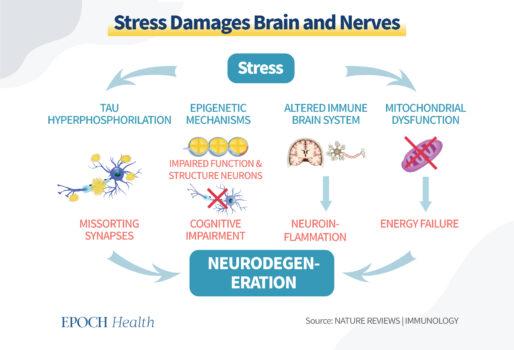
Multiple Lines of Stress Increase the Likelihood of Viral Infection
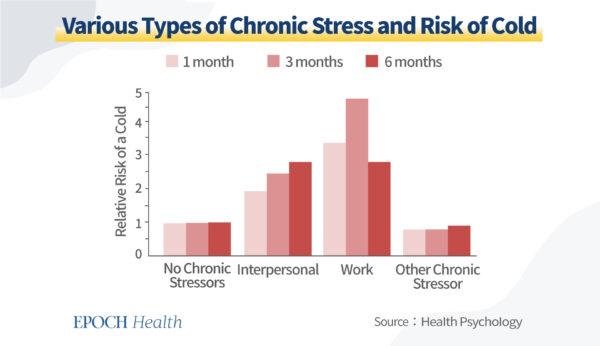
A study published in the New England Journal of Medicine described 394 healthy participants who were given nasal drops containing one of five respiratory viruses (nasal rhinovirus type 2, 9, or 14, respiratory syncytial virus, or coronavirus type 229E). Another 26 subjects were given saline nasal drops.The results showed that along with the increase in psychological stress, the rates of respiratory infection and colds increased. Furthermore, the effects of stress are independent of other confounding factors, including age, sex, education, allergic status, weight, or the season, for susceptibility to respiratory infection.
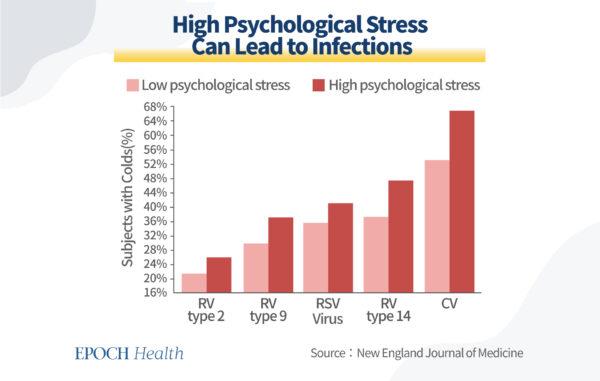
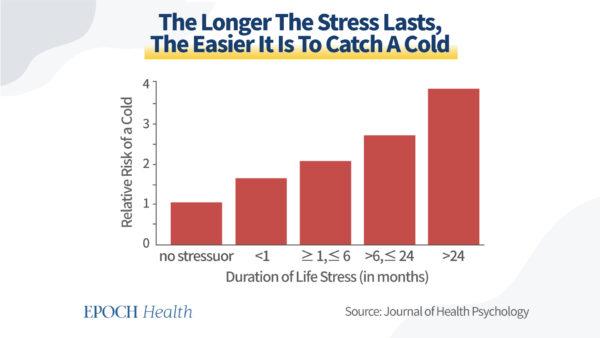
And it doesn’t matter where the stress comes from (interpersonal, work, or other sources).
Watch Out for These Symptoms
For people in or outside of China, it is advisable to remember the following signs or symptoms that may indicate a severe type of COVID infection.Fever: Persistent fever might indicate COVID-19-related lung infection. Be mindful that overuse of fever-reducing medication might cover the symptoms, suppress the immune system, and worsen the illness.
Difficulty breathing: Monitor blood oxygen level. If below 93 percent, seek medical help.
Feeling lethargic, indifferent, confused, irritated, or slow to react: These could also indicate low blood oxygen levels.
Persistent digestive disorders such as nausea, vomiting, and diarrhea: These also indicate potential infection with COVID-19.
Protect Your Immunity With These 11 Tips
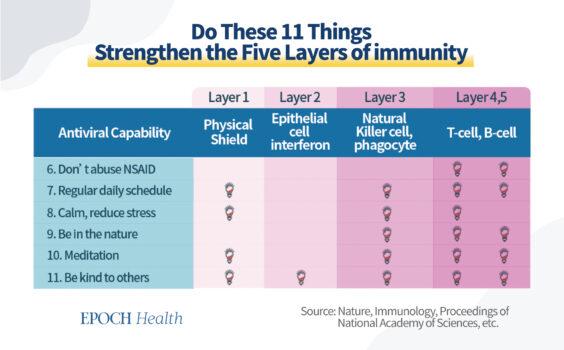
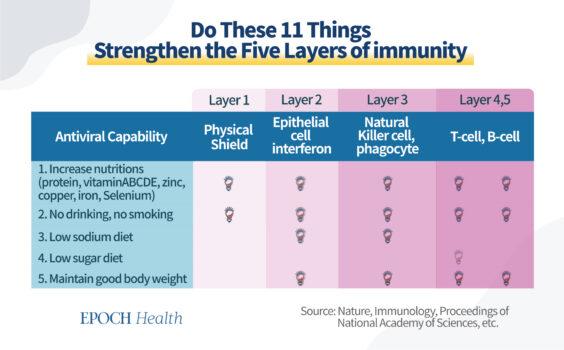
People outside of China may be afraid of being exposed to potential variants from China, but there is no reason to weaken your immunity with unnecessary fear. However, it is sensible for people to take better care of their immunity by following this list of 11 tips:- Ensure sufficient nutrients, such as vitamins C and D, and calcium, which can strengthen antiviral immunity.
- Avoid alcohol and smoking as they are harmful to the antiviral state of epithelium cells.
- Monitor salt intake, as too much salt might kill good immune cells in the gut.
- Avoid artificial sugar, which damages the immune system.
- Try to control body weight and reduce fat, as too much fat is connected with chronic inflammation.
- Avoid high intake of non-steroidal anti-inflammatory drugs as they might compromise immunity.
- Get enough sleep. Soak the feet in warm water before bedtime. The feet have a lot of blood vessels and energy channels linked to the body’s internal organs; soaking them in hot water can promote blood circulation throughout the body and thus help clear body waste during sleep.
- Relax, don’t be anxious. No matter what issues you are facing, try to be calm and stay connected with peaceful, calm, and positive people.
- Stay connected with nature; walking and forest bathing help increase the number and function of natural killer cells.
- Select a type of meditation to help health and boost immunity. Good meditation can adjust our immune genes in a holistical way and thus elevate the overall antiviral function.
- Stay connected with the media transmitting positive energy and information. Watch movies and TV shows that promote kindness and traditional culture.
Regardless of how severe the viruses are, we bear in mind the fact that our God-given immunity is always protecting us against those viruses. The most important antiviral secrets reside in strengthening our immunity.
In an experiment conducted by Harvard University psychologists, an audience’s immunity was increased by watching movies that encourage kindness and goodness.