As marijuana legalization spreads nationwide and young Americans increasingly view cannabis as harmless, new research reveals a paradox: Modern products such as vapes, dabs, and concentrates with high levels of tetrahydrocannabinol (THC), the main psychoactive ingredient, are triggering serious mental health problems at rates far higher than the marijuana of previous generations.
Modern Cannabis Packs Unprecedented Punch
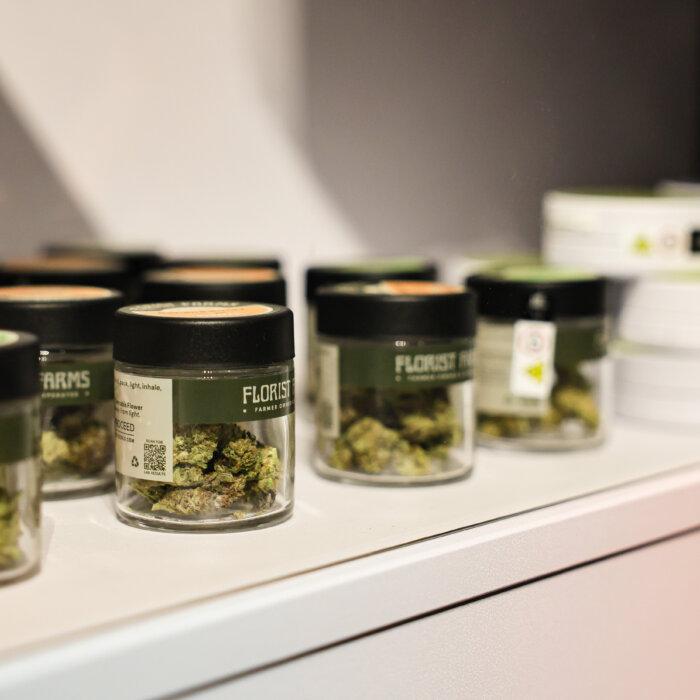
Using highly concentrated THC products was consistently linked to mental health risks such as psychosis, schizophrenia, and addiction.From the 1960s to the 1980s, typical THC levels in cannabis flower increased from 2 percent to 4 percent, then shot up to the current average of 20 percent.
Now, modern vaping devices can deliver THC concentrations ranging from 70 percent to 90 percent, significantly exceeding previous levels and raising concerns about the associated health risks, researchers noted.
Some of the studies reviewed found that THC was beneficial in treating anxiety and depression, especially in people with cancer and other neurological conditions. However, for recreational use in healthy people, the opposite effect was seen.
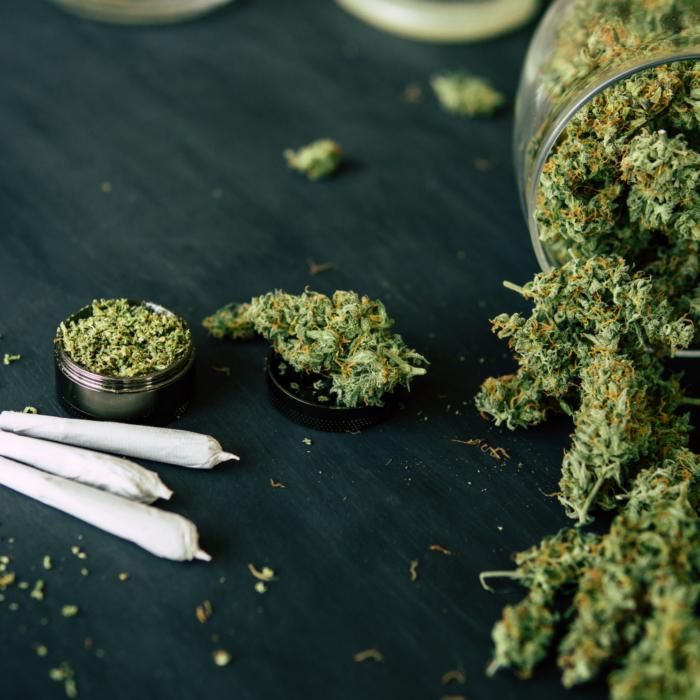
For people who use cannabis for recreational reasons, 53 percent of the studies linked high-THC cannabis to increased anxiety, and 41 percent associated it with depression.
The review also highlights that people who frequently use high-potency products are more likely to develop cannabis use disorder, which also affects “mood, motivation, and daily functioning,” Dr. Nona Kocher, a board-certified psychiatrist at Quintessence Psychiatry in Miami who was not involved in the study, told The Epoch Times.
Effects of High-THC Concentrations
THC is the primary psychoactive ingredient in cannabis and can biologically act on endocannabinoid receptors in the nervous system. Activation of these receptors can disrupt normal neural signaling, especially neurotransmitters crucial for maintaining mood, cognition, and perception.Limited Therapeutic Benefits, Clear Risks
Despite growing claims about marijuana’s medical benefits, the review found little evidence supporting high-THC products for mental health treatment. Dr. Jonathan M. Samet, professor of epidemiology at Colorado School of Public Health and the study’s corresponding author, told The Epoch Times that no therapeutic studies found that THC had positive effects for those living with psychosis or schizophrenia.While some studies suggested potential benefits for anxiety and depression, the evidence remained “weak and inconsistent,” according to Samet.
For studies suggesting potential THC benefits, less than half showed that high-THC cannabis might help with anxiety. Others found unfavorable effects, with 24 percent of studies showing increased anxiety and 30 percent showing increased depression.
The research carries significant implications for the growing movement to legalize recreational marijuana.
However, the researchers acknowledged important limitations in current evidence.
The reviewed studies didn’t capture how people consumed THC—whether smoked, vaped, or eaten. The studies also used inconsistent measurement tools and underrepresented pregnant women and adolescents among participants.
“Given the growing number of states with recreational marijuana use now legalized and the increasing THC concentrations, we need to have better information available to answer reasonable questions [about the risk] with more certainty,” Samet said.