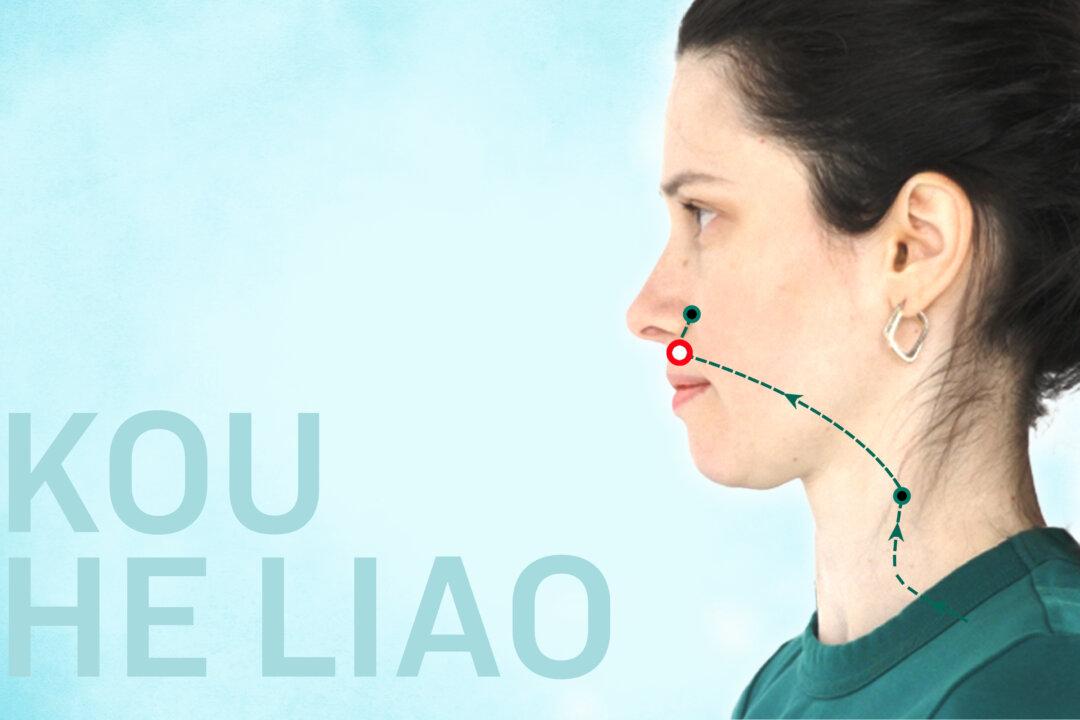
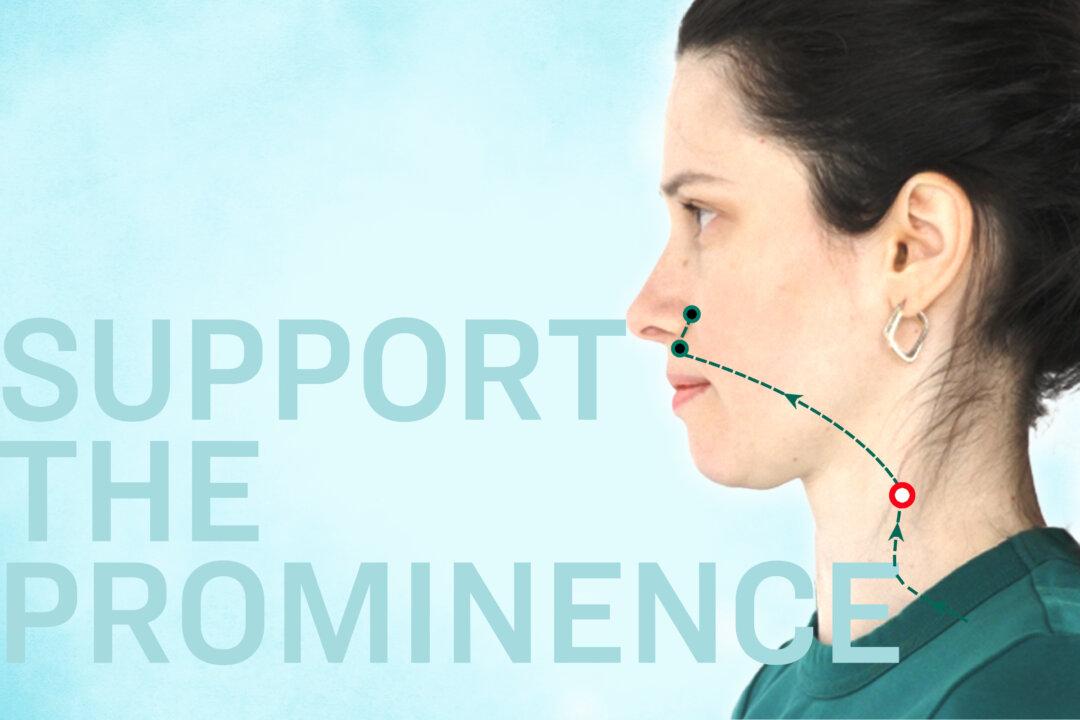
The Chinese have a saying: “Legs are the first to get old.” The adage reflects how aging often reveals itself through unsteady steps, weakened leg muscles, and recurring aches in the back and hips. To counteract this decline, traditional Chinese medicine (TCM) has long recommended stimulating Squatting Crevice (Ju Liao, GB29), an acupoint with a deep connection to lower body strength and mobility.
TCM Perspective: A Vital Intersection of Two Meridians
Ju Liao, first documented in the “Zhen Jiu Jia Yi Jing (The A-B Acupuncture and Moxibustion Classic),” is located at the intersection of the gallbladder meridian and the Yang Qiao (Yang Heel) Vessel. Because these pathways govern movement, flexibility, and circulation in the lower body, Ju Liao has been used for centuries to address hip joint issues, paralysis of the lower limbs, and pain radiating through the waist and legs.Today, it remains a go-to point for conditions such as hip arthritis, bladder inflammation, and post-stroke paralysis on one side of the body. While acupuncture is rarely used at Ju Liao due to its location, multiple methods of activation are used to support patients.
Modern Evidence: Studies on Ju Liao’s Effectiveness
Modern research is shedding light on the benefits of TCM, reaffirming what TCM practitioners have understood for centuries. One significant study looked into the effects of injecting red sage root (Danshen) at specific acupuncture points—Ju Liao and Huan Tiao (GB30), compared to core decompression surgery performed to relieve pressure and improve blood flow in the hip. The surgery is often necessary when decreased blood supply leads to bone death.Patients who received the herbal injections three times a week for six months reported marked improvements in pain relief, joint function, daily activities, and walking ability. In contrast, those who underwent surgery experienced only minimal improvements. This suggests that targeted herbal injections could be a viable non-invasive alternative for treating hip joint dysfunction.
Another study examined the effectiveness of electroacupuncture for hip osteoarthritis in 120 patients, comparing it to the pain relief medication diclofenac. Both treatments reduced pain, swelling, and limited mobility. However, the electroacupuncture group showed significantly greater improvement, with an average score increase of 18 points compared to just 12.3 points in the diclofenac group. A follow-up two years later confirmed that electroacupuncture remained the better treatment option, highlighting the potential of TCM in managing hip joint issues effectively.
How to Locate and Stimulate Ju Liao
Finding Ju Liao is simple, with a few key landmarks. First, locate the highest point of your hip bone—where your belt usually rests. Then, identify the prominent point on the outer side of your hip where your hip joint is. There is the sinew that flexes when you raise your knee. Ju Liao is found halfway between these two points, positioned along the outer hip.To activate Ju Liao, try these effective self-care techniques:
- Direct Pressure: Press firmly on the acupoint for three to five seconds, release for three seconds, and repeat for one to three minutes on each side.
- Circular Massage: Use your index finger or thumb to massage the point in small circles for one to three minutes per side.
- Herbal Patch Therapy: Applying an herbal patch overnight can provide continuous stimulation and relief.
- Professional Treatments: Acupuncture, cupping, or moxibustion (a gentle heat therapy with dried mugwort), performed by a trained TCM practitioner, can further enhance the benefits of Ju Liao.
Precautions
While Ju Liao is a safe and effective acupoint, avoid stimulating the area if you have injuries or open wounds nearby. If using herbal patches, choose natural formulations and avoid artificial ingredients, especially if you have sensitive skin.A Moment to Appreciate Your Mobility
We often take mobility for granted—until something goes wrong. The hips are essential for movement and maintaining an active, fulfilling life filled with activities like travel, exercise, and hobbies. Taking a few moments to stimulate Ju Liao provides more than pain relief—it’s about appreciating your body’s resilience and investing in long-term well-being.TCM expert Shihhsiang Hung helped ensure the accuracy and clarity of this article.

Views expressed in this article are the opinions of the author and do not necessarily reflect the views of The Epoch Times. Epoch Health welcomes professional discussion and friendly debate. To submit an opinion piece, please follow these guidelines and submit through our form here.