By now, many have heard of hantavirus, the rare, deadly virus spreading among passengers aboard the cruise ship MV Hondius, but few people know much about the virus itself.
The World Health Organization recently confirmed that the virus on the ship is the Andes variant, the only type of hantavirus capable of human-to-human transmission. However, as of May 7, the public health risk remains low.
What Is Hantavirus?
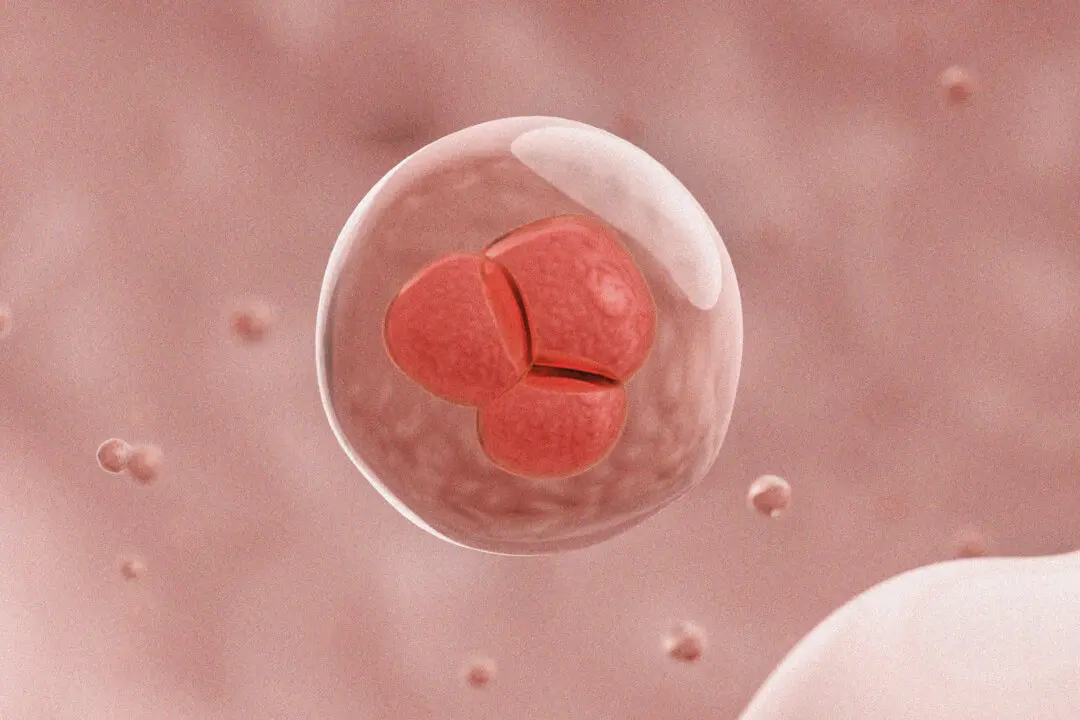
Hantavirus is a tiny, round virus about 100 nanometers wide—so small that 1,000 could fit across the width of a human hair.

Andes Variant
Of all known strains, only the Andes virus has been documented to potentially spread from person to person, and even then, transmission generally requires close, prolonged contact and remains rare.Before the new outbreak, Andes had been restricted to parts of Latin America, particularly Argentina.
In the case of the MV Hondius, experts with the WHO speculate that the first passenger suspected to have died from hantavirus likely contracted it within Argentina. When he boarded the ship, he spread the virus to other passengers.

Dr. Tyler B. Evans, an infectious disease and public health physician and the first chief medical officer for New York City during COVID-19, told The Epoch Times that the danger of a ship such as MV Hondius is that it’s a small expedition ship operating in some of the most remote waters on Earth.
Because it has only one doctor on board and stops at remote locations with minimal medical infrastructure, when someone becomes critically ill, the response is not a quick diversion to a nearby port of convenience with modern facilities, he said.
Symptoms to Watch For
HPS typically begins with flu-like symptoms. The incubation period—the time from exposure to the onset of symptoms—is up to eight weeks, but most symptoms appear about two to four weeks after exposure.What makes the disease so dangerous is how quickly it can escalate.
“Once symptoms start ... they can include fever, headaches, muscle aches, and maybe a cough, and that can last a couple days or a week,” Dr. Andrew Handel, a pediatric infectious diseases specialist at Stony Brook Children’s Hospital in New York, told The Epoch Times. “But the real concern with hantaviruses is cardiopulmonary syndrome, where there can be rapid collapse.”
When that collapse occurs, Handel said, the mortality rate within the first 24 hours is high.
As the disease progresses, it can rapidly lead to fluid accumulation in the lungs, resulting in respiratory failure if not treated promptly.
Low Risk for Most
For the general population, hantavirus represents a low risk. The United States identifies between 15 and 50 cases annually.In Asia and Europe, HFRS cases are more prevalent, particularly in countries such as China, Korea, and Russia, where thousands of cases are reported each year.
The virus requires specific conditions to infect humans, such as prolonged inhalation of aerosolized particles. Additionally, most rodent populations do not carry the virus, and most people are never exposed to these rodents, further reducing the overall risk.
However, those living in or frequently visiting rural areas, farms, cabins, or regions with high rodent populations face a significantly increased likelihood of exposure.
Prevention
The key to prevention is minimizing contact with rodents.The primary preventive measure is keeping rodents away from homes and workplaces by sealing holes and gaps, storing food in airtight containers, and removing clutter or debris that could serve as nesting sites.
When cleaning areas contaminated with rodent droppings, it is critical to avoid sweeping or vacuuming, as these can aerosolize the virus. Instead, first open up windows to air out the space, use disinfectants and wet cloths, and wear gloves and masks to prevent inhalation or contact.