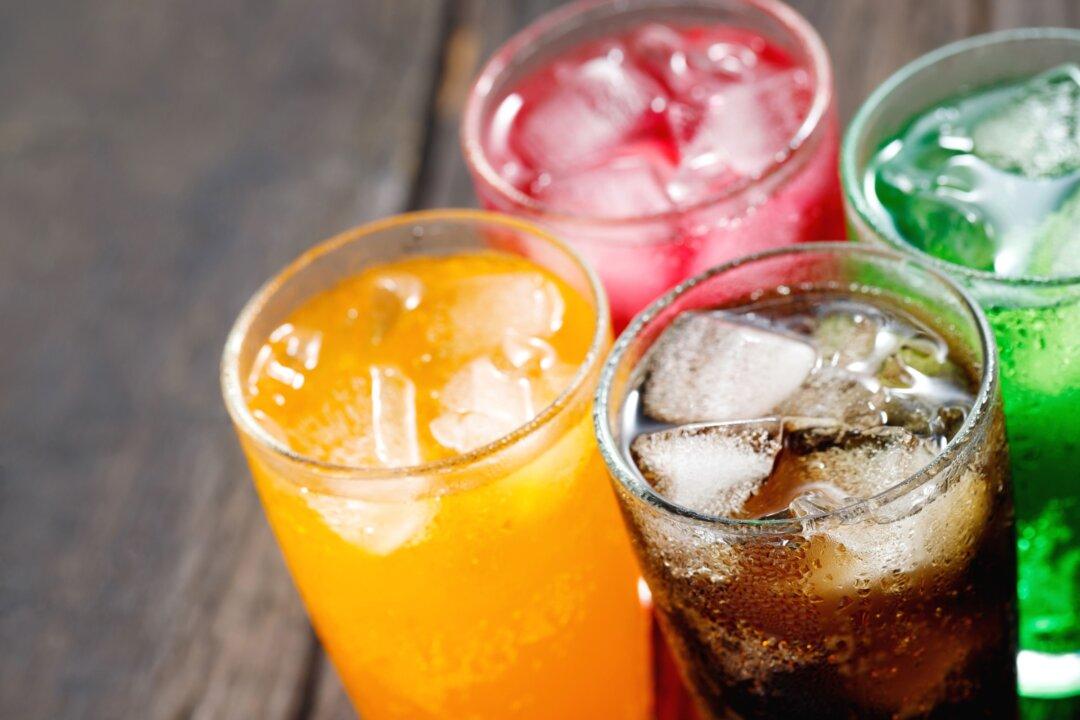
Has there ever been an easier time for stress eating? All of this time at home has made it pretty easy to sneak off to the fridge or pantry throughout the day for a little treat.
While it’s certainly tempting to get a little bit of stress relief with a few cookies, chocolate almonds, or a spoonful of ice cream, too much emotional eating can be tough from a physical and mental health standpoint.
Stress eating unhealthy or comfort foods can promote hormonal imbalances, rollercoaster emotions, and contribute to inflammation, high cholesterol, elevated blood sugar, and weight gain.
Finding ways to avoid stress eating can help promote better physical and mental health during self-isolation, and may help lower cholesterol, reduce blood pressure, and improve other facets of your health during these trying times.
- Set a schedule: One way to ensure you’re not making repeated trips to the kitchen is by staying occupied. Set a schedule with chunks of your day allocated to work, exercise, relaxation, eating, cooking, and chatting with friends.
- Plan your food intake: Ordering or shopping for high-nutrient healthy items is another way to limit the eating—or at least mitigate its negative effects. Plan healthy meals and have snacks like yogurt, nuts, fruit, and veggies when the hunger pangs hit.
- Find other outlets: Eating is by far the easiest response to stress and anxiety, but it’s by no means the only one. Exploring calming activities like knitting, yoga, exercise, reading, or arts and crafts can all help you calm down and reduce food intake.
- Stay connected: When you’re feeling bored or anxious, don’t hesitate to call a friend. Even using video conferencing to bring friends together for a glass of wine, movie night, or dinner is worthwhile. And if you just need to have a serious talk, phone a friend to ease your nerves.
Setting boundaries to control eating is yet another way you can use self-isolation as a tool toward self-improvement.
Devon Andre holds a bachelor’s degree in forensic science from the University of Windsor in Canada and a Juris Doctor degree from the University of Pittsburgh. Andre is a journalist for BelMarraHealth, which first published this article.