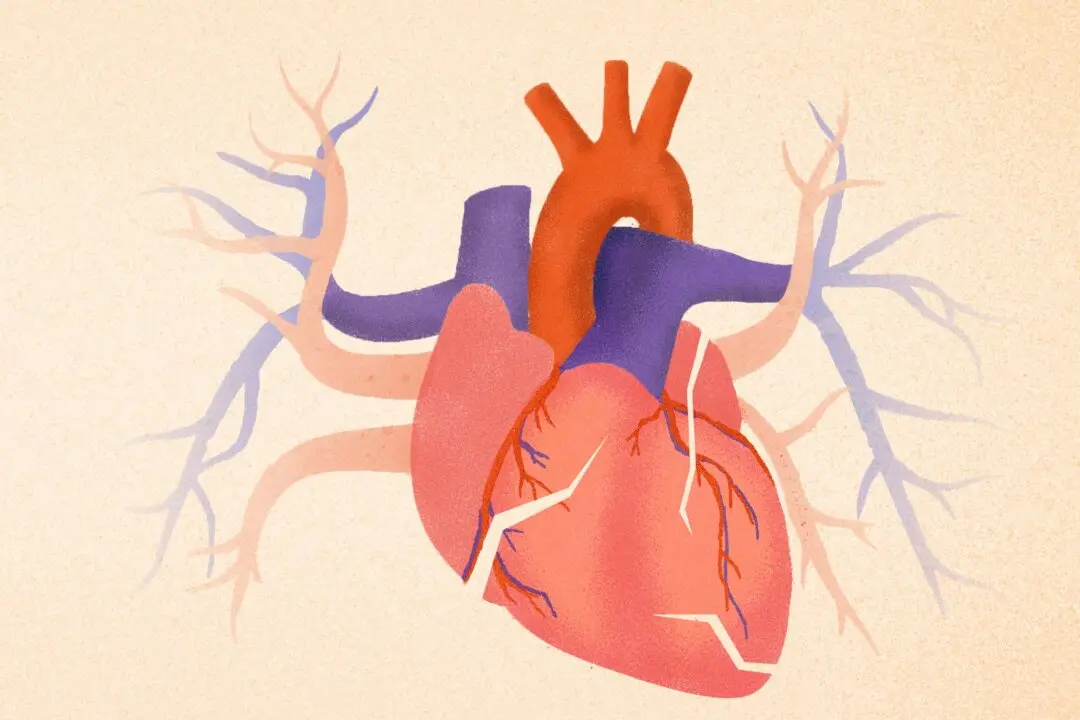
Recently, while conducting intestinal analysis on some of my patients, I discovered that p-cresol, a chemical produced by intestinal microbiota, has adverse effects on our kidneys, liver, and brain.
Effects on the Kidneys
One of the kidneys’ most essential functions is detoxifying the body. P-cresol is a uremic toxin harmful to the kidneys. It is normally absorbed into the bloodstream by the intestines and then excreted through the kidneys.For people with normal kidney function, urination can eliminate uremic toxins. However, problems arise if kidney function is weak, resulting in too much p-cresol accumulation, which may aggravate uremia symptoms.
Effects on Intestinal Health
The intestines are a crucial player in our body’s line of defense. Excessive p-cresol in the intestines can cause chronic enteritis (inflammation of the small intestine), damage the intestinal barrier, and lead to “leaky gut” syndrome. In this situation, harmful substances are more likely to enter the bloodstream and cause systemic inflammation.Too much p-cresol can also be incredibly harmful to our metabolism. It interferes with blood sugar and body weight by affecting fat and sugar metabolism. Metabolic diseases such as hyperglycemia, hyperlipidemia, hypertension, and obesity are likely to follow. If you already have these problems, p-cresol may be to blame. Therefore, to improve metabolic disorders, we must ensure that our intestines are healthy.


Effects on the Nervous System
There is growing evidence that high concentrations of p-cresol may cause neurological disorders and increased nerve inflammation. A 2021 study in Microbiome found that the microbial metabolite p-cresol selectively induces autism spectrum disorder behavioral symptoms in mice. Microbiota composition changes may influence social behavior deficits induced by p-cresol.Many factors increase the severity and complexity of autism, and one major factor is gut health. For instance, many autistic children are born by cesarean section. They lack the normal flora gained via passing through the birth canal, so they often experience gastrointestinal complications later in life. Problems with memory, attention, and cognition, especially among young people, should signal us to consider whether a problem in the intestines is causing excessive production of p-cresol, which affects the brain and nervous system.
Diet to Prevent Excessive P-Cresol Levels
Here are a few dietary tips to control excess p-cresol.1. Avoid Processed Foods and Eat More Plant-Based Foods
Cut down on red meat and avoid processed foods. Foods with a lot of animal protein contain bacteria that tend to produce more p-cresol.2. Increase Dietary Fiber
As a prebiotic, dietary fiber helps the growth of probiotics and can also inhibit harmful bacteria that produce p-cresol. Research has found that supplementing the diet of chronic kidney disease patients with fiber may reduce p-cresol and improve stool frequency. Eating more grains, fruit, vegetables, and legumes is also recommended.3. Supplement Probiotics
Moderate intake of probiotics is beneficial to health. Animal and human studies suggest that prebiotics and probiotics may help maintain metabolically balanced gut microbiota and reduce the progression of chronic kidney disease and uremia-associated complications.4. Consume Antioxidants
Foods rich in antioxidants can protect the intestines, kidneys, and brain cells from damage caused by p-cresol. For example, green tea, blueberries, and nuts can be a beneficial addition to our diet. Research suggests that proanthocyanidin-containing polyphenol extracts (chemicals that give plants their vibrant colors) and proanthocyanidin metabolites likely contribute to the protection of the colonic mucosa against the harmful effects of p-cresol.In addition, pure hydrogen is also a potent antioxidant. Inhaling the gas will send it directly into the brain. Hydrogen-rich water can also play a direct antioxidant role in the intestines and reduce intestinal inflammation. It is recommended to use high-quality hydrogen therapy to reduce p-cresol, which can help maintain the balance of intestinal flora and reduce the burden on the intestines.