Why the Higher Risk?
For the study, the University of Oxford analyzed data from 11,735 gout patients and found that they had smaller brain volumes and higher brain iron, which has long been linked to Alzheimer’s disease. However, the observed risks were higher for vascular dementia, caused by poor blood and oxygen supply to the brain, compared to all-cause dementia, but not for Alzheimer’s disease. Higher uric acid levels without gout were also linked to brain volume loss.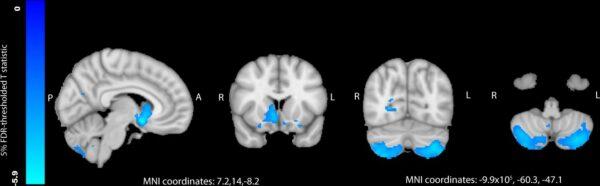
“Gout usually accompanies other risk factors which can affect blood circulation,” Dr. Abdullah Ahmed, clinical assistant professor and rheumatologist at Stony Brook Medicine, told The Epoch Times, “such as high blood pressure, diabetes, and obesity.”
Gout patients also had a higher mortality rate (11 percent versus 5 percent in controls). Male, older gout sufferers with alcohol use and lower socioeconomic status were prevalent.
The Study’s Significance
“I think this is a very surprising study,” Ahmed said. “As a rheumatologist, we’re not really paying too much attention to the neurodegenerative part of gout, but I think this opens up a really new frontier of awareness for us, as well as the public.”He emphasized the need to explore the underlying mechanism connecting gout and degenerative disorders.
Additionally, he raised questions about the effects of gout treatment on these disorders and whether they are reversible, wondering, “Is it something that’s set in stone after that?”
Gout Drug Linked to Lower Risk of Neurodegenerative Disease
A recent study published in May in the Public Library of Science suggests that xanthine dehydrogenase/oxidase blockers, a class of drugs used for gout treatment, may lower the risk of neurodegenerative diseases.The researchers conducted a case-control study involving nearly 43,000 patients with neurodegenerative diseases and over 334,000 controls.
Reducing Your Risk of Gout
Ahmed emphasized that gout, more prevalent in men due to lower uric acid levels in women, is a treatable condition, with widely available therapies for lowering uric acid. “We can improve the outcomes for patients much better than we used to,” he said.- Losing weight: Excess body weight can lead to increased uric acid production and decreased excretion through the kidneys.
- Limiting alcohol intake: Alcohol can inhibit the excretion of uric acid by the kidneys and stimulate the production of uric acid, further contributing to its buildup.
- Decreasing consumption of sugary sodas: Sugar is linked to the disease.
- Avoiding highly concentrated fruit juices: These are rich in fructose, which increases gout risk.
- Maintaining healthy blood pressure levels: Hypertension can contribute to the accumulation of uric acid in the body, a critical factor in the development of gout.