Health Viewpoints
During the COVID-19 pandemic, the world was drowned in a flood of hand sanitizer. At my daughters’ school, every classroom had a tower dispenser right at the door, and kids were forced to apply every time they entered the room. Some kids took things even further, likely encouraged by their parents, keeping an extra bottle at their desk—applying routinely. My daughter told me one boy’s hands became so dry and chapped in the winter that they began to bleed.
Hand sanitizer was ubiquitous outside of schools, too. Banks, stores, cafes—everywhere people were, there was a dispenser nearby.Much evidence that hand sanitizer works well is based on controlled lab experiments—adding it to a dish containing bacteria or viruses and then determining what survives. Like controlled lab studies with masks, that doesn’t tell you much about how it works in the real world.
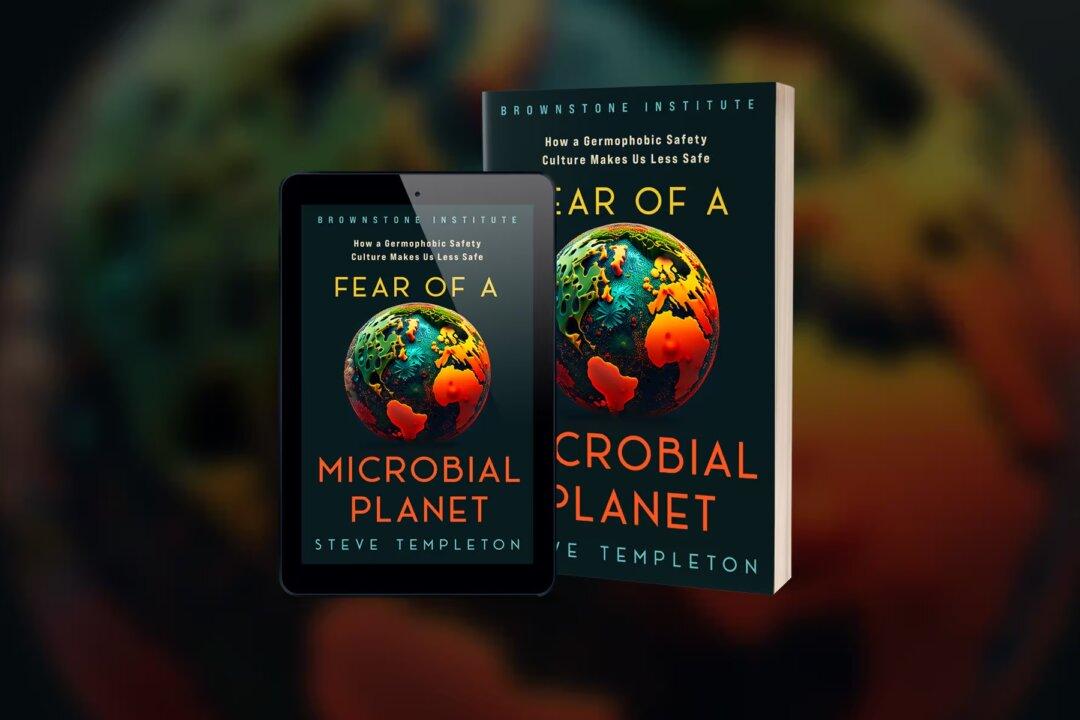
Early on it became clear that COVID-19 was an airborne virus, which should have raised questions about the public’s obsession with hand sanitizer. That information should have raised the same question about masks, too. But as I wrote in my book “Fear of a Microbial Planet“ many times about many of these things, that didn’t happen.
Hand sanitizer can even be considered harmful. Some cheap knockoffs produced during the pandemic contained methanol instead of ethanol or isopropyl alcohol, and methanol is toxic and can kill people. In some cases, it did. Little kids couldn’t really be expected to use hand sanitizer without it getting into places it shouldn’t be, like their eyes. Adverse gastrointestinal and central nervous system effects were also reported.
Remember triclosan? For a few years, it seemed like it was in everything, not just hand sanitizers. As it turned out, it wasn’t all that safe. From “Fear of a Microbial Planet”(FMP):
“Studies of antimicrobial products have shown they don’t provide any advantage over soap and water. The antimicrobial triclosan, which for years was incorporated into a deluge of products from toys to toothpaste to cosmetics, was found to induce microbiome disruption and colonic inflammation and exacerbated colon cancer in animal models. In humans, urine and blood levels of triclosan were highest in children with allergies and asthma. Yet triclosan wasn’t targeted by the US FDA until 2016 and was gradually removed from antiseptic products in the following year.”With or without triclosan, hand sanitizers might be only slightly better than nothing, not just for respiratory viruses, but also for gastrointestinal viruses, which is where you might expect some protection. More from FMP:
“A 2011 study of nursing homes showed preferential use of hand sanitizer among the staff was associated with significantly higher rates of norovirus infection, which causes acute gastroenteritis, more commonly known as the stomach flu, when compared to facilities that more often used soap and water. Hand washing with soap and water was also shown to be superior to hand sanitizer alone in inactivating influenza viruses. A systematic review of multiple studies of hand sanitizer use in daycares found only a small, and likely insignificant benefit of hand sanitizers in reducing absenteeism in school children.”You might think that the studies concluding a lack of efficacy of hand sanitizers would be of interest to the public, and would get covered in the media. Once again, that didn’t happen:
“However, articles reporting the lack of efficacy of hand sanitizer received very little recognition in the media. No one wants to hear that something they’ve been doing is ineffective, so why tell them? Instead, CNN, Reuters, USA Today, and People Magazine all reported on a single study of a daycare in Spain that reported benefits of hand sanitizer use on absenteeism and antibiotic use in addition to washing with soap and water. The study had all sorts of red flags, including behavioral interventions that included stories and songs about hand hygiene and infection (could introduce bias), a higher proportion of immigrant families in the soap and water only group (groups weren’t matched demographically), and lack of monitoring for compliance. In other words, the potential for bias was difficult to control and the effectiveness of their interventions on actual behaviors wasn’t observed, yet only a weak correlation remained. But that was enough for multiple news outlets to report the author’s conclusions as gospel.”In the last month, I’ve had a bad case of bronchitis (the worst I can remember), and at my doctor’s clinic, I was once again forced to wear a mask because I was coughing. Each registration desk also had a bottle of hand sanitizer on display. The evidence for both is thin, but if we learned anything from the last three years, it’s that the appearance of safety is just as important, if not more important, than evidence-based medicine.
Originally published on the author’s Substack, reposted from the Brownstone Institute
Views expressed in this article are the opinions of the author and do not necessarily reflect the views of The Epoch Times. Epoch Health welcomes professional discussion and friendly debate. To submit an opinion piece, please follow these guidelines and submit through our form here.