The connection between our emotions and the health of our internal organs, particularly the digestive system, is an important and intriguing topic.
In traditional Chinese medicine (TCM), emotions are not merely psychological experiences—they are closely linked to organ function. Research supports this perspective, demonstrating that stress, anxiety, and emotional fluctuations can affect overall well-being through the nervous, endocrine, and immune systems.
Organs as Centers of Energy and Emotion
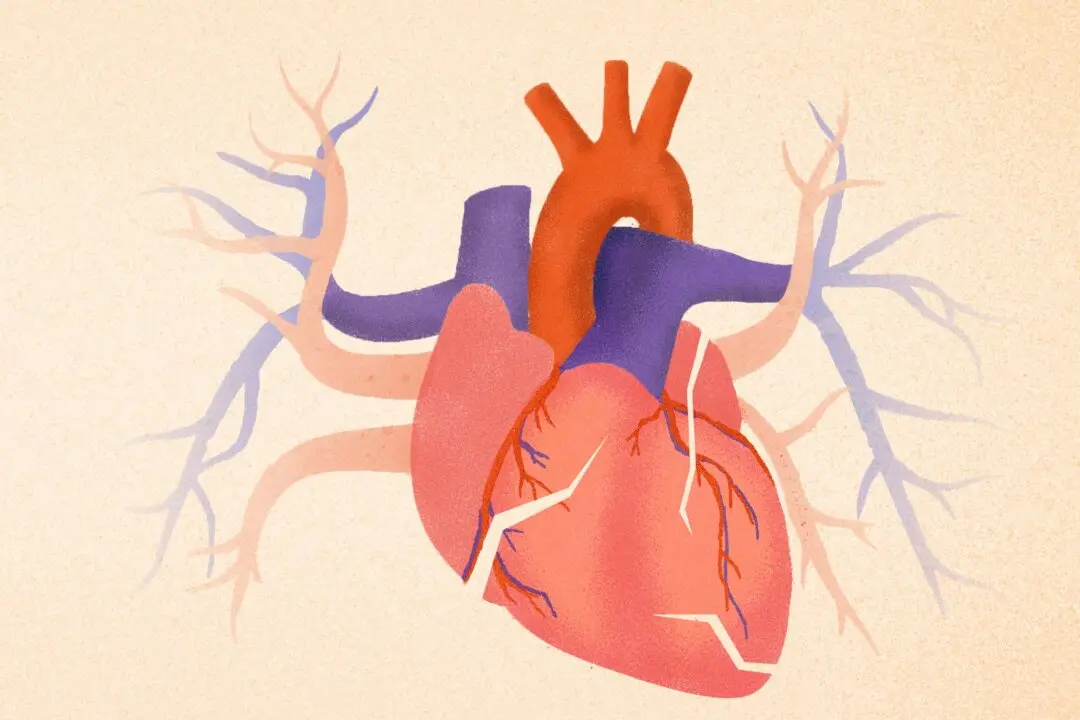
TCM views internal organs as anatomical structures or sites of biochemical reactions as well as centers of energy, emotions, and spirit. Each organ is connected to different parts of the body through meridians and plays a crucial role in regulating the flow of qi (vital energy) and blood.For example, the heart governs blood circulation and directly influences consciousness and mental state, while the liver regulates the smooth flow of energy throughout the body, helping maintain emotional balance. The lungs control breathing and play a key role in immune function through ventilation, and the spleen is in charge of digesting food, absorbing nutrients, and transforming them into qi and blood, providing the body with essential energy.
Qi is the energy or power that constitutes life within the body, and in TCM, all nutrients that supplement the body are collectively referred to as blood. Imbalances or deficiencies in qi and blood can lead to various health issues.
- The heart houses the Shen (mind and spirit)—the heart influences our thoughts, emotions, and perceptions. It is closely connected to consciousness, cognition, emotions, and overall mental state.
- The liver stores the Hun (ethereal soul)—the liver drives creativity and a sense of purpose. It is linked to the spiritual and emotional aspects of the mind, particularly related to dreams, emotions, and awareness.
- The lungs govern the Po (corporeal soul)—the lungs help us process loss and release grief. They are associated with vitality, willpower, and the ability to take action.
How Emotions Impact Organ Function
Your anger, anxiety, and sadness are doing more than just making you feel bad; your feelings can physically change how your body works.The Nervous System: Anger and the Liver
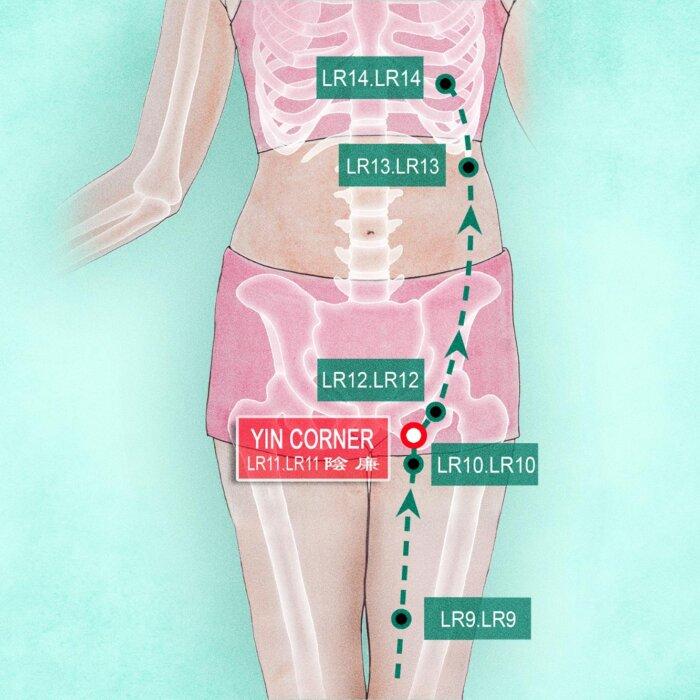
In TCM, anger is believed to disrupt the liver’s energy flow, resulting in stagnation of qi and blood. This imbalance can manifest as headaches, bloating, acid reflux, and joint pain.
The Endocrine System: Anxiety and the Stomach
According to TCM, prolonged anxiety affects the function of the spleen and stomach, often resulting in symptoms such as loss of appetite and indigestion.The Immune System: Grief and the Lungs
The lungs and large intestine serve as the body’s first line of defense. In TCM, sadness and grief are believed to weaken lung energy, reducing immune function.Long-term stress has been shown to suppress immune function, making people more susceptible to infections and illnesses. Studies indicate that stress affects immune cell levels, accelerating immune aging (when the body’s defense system gets old) and potentially increasing health risks.
Ways to Support Internal Organ Health
There are several simple and practical ways to regulate emotions and maintain organ health.Incorporate Antioxidant-Rich Foods
Eating more green vegetables and antioxidant-rich foods such as green tea and lemon water is recommended. These foods support liver function, promoting smooth energy flow and maintaining overall balance in the body.
Eat Warming Foods
Moderate amounts of warming foods, such as red dates and Chinese yam, can help strengthen the spleen and stomach. Adding ingredients such as coix seed can also support healthy fluid metabolism.Practice Breathing Exercises and Meditation
Just 10 minutes of deep breathing each day can promote the smooth flow of qi and blood.Cultivate a Daily Gratitude Habit
Writing down one thing you are grateful for every day can help foster a positive mindset.Wellness Teas
Drinking herbal teas can be beneficial for overall well-being. For example, a tea made with bupleurum and white peony root can help regulate liver function, while Lotus Plumule and Rose Tea have a calming effect and promote better sleep.Bupleurum and White Peony Tea
Ingredients:- 0.2 ounces (5 grams) bupleurum
- 0.1 ounces (3 grams) white peony root
- 0.1 ounces (3 grams) green tea
Steep the ingredients in 20 fluid ounces (600 milliliters) of hot water for 10 minutes before drinking.
Lotus Plumule and Rose Tea
Ingredients:- 20 lotus plumules
- 2 rose flowers
Summary
A calm and balanced mind is key to longevity and good health. While this may sound simple, it is not always easy to achieve.By understanding how emotions affect organ health from both TCM and modern medical perspectives, we can apply this knowledge to daily life and regulate our emotions, thereby supporting overall organ health.
Some herbs mentioned in this article may be unfamiliar, but they are generally available in health food stores and Asian grocery stores. It is important to note that treatment methods may vary depending on the individual. Please consult with a health care professional for a specific treatment plan.